
Wall Decor Ideas for Living Room: Introduction
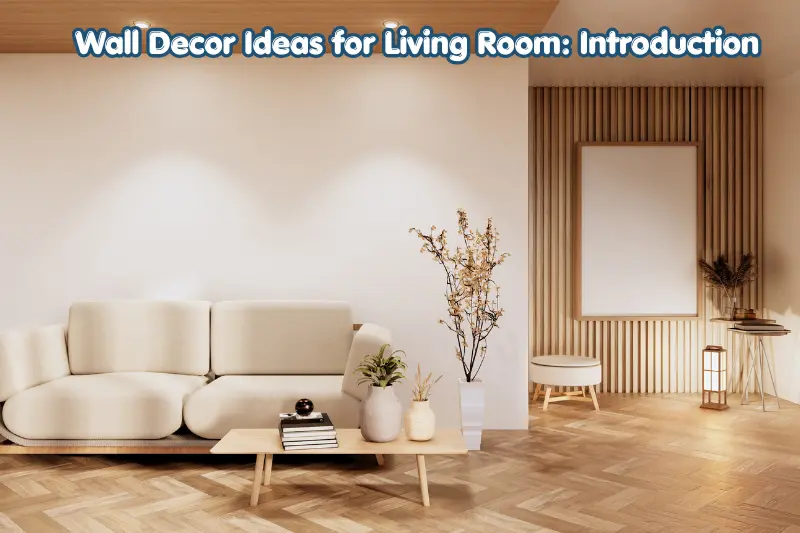
Wall decor ideas for living room spaces can completely change how a room looks and feels without requiring a full renovation. The right combination of artwork, mirrors, shelves, photographs, paint, texture, and decorative objects can make an empty wall feel intentional and connected to the rest of your interior.
The best wall decor depends on your wall size, furniture arrangement, natural light, existing colors, personal style, and budget. A large blank wall may need one strong focal point, while a smaller wall can look better with a carefully arranged collection of smaller pieces.
This guide covers practical living room wall decoration ideas for modern, traditional, minimalist, cozy, and budget-conscious homes. You will also learn how to choose the right decor, arrange wall art, avoid common mistakes, and create a balanced look.
1. Create a Gallery Wall
A gallery wall is one of the most flexible wall decor ideas for living room spaces because it lets you combine several pieces into one visual display.
You can use framed artwork, family photographs, illustrations, prints, or a mixture of different pieces. The key is to create some visual connection between the items.
How to Create a Balanced Gallery Wall
Start by deciding where the gallery wall will go. A wall behind a sofa is a popular location because the furniture naturally anchors the arrangement.
Then:
- Choose a theme, color palette, or visual style.
- Select several complementary frames or artwork pieces.
- Arrange the pieces on the floor before hanging them.
- Keep spacing reasonably consistent.
- Make sure the overall arrangement relates to the furniture below it.
- Hang the pieces securely using appropriate hardware.
A gallery wall does not need to be perfectly symmetrical. An intentional mix of sizes can create a more relaxed and collected appearance.
2. Hang a Large Statement Artwork
If you prefer a cleaner look, one large piece of artwork can be more effective than many small decorations.
A large abstract painting, landscape, botanical print, portrait, or contemporary artwork can become the main focal point of the room.
This approach works particularly well when the surrounding furniture is relatively simple. Instead of competing with several decorations, the artwork becomes the visual center.
When selecting the piece, consider the colors already present in your sofa, rug, curtains, cushions, and other furnishings. Artwork does not have to match everything exactly, but repeating one or two existing colors can help the room feel cohesive.
3. Use a Large Mirror
Mirrors are practical as well as decorative. They can reflect light and add another visual layer to a living room.
A large round mirror above a console table or sofa can create an elegant focal point. Rectangular mirrors work well in more structured or contemporary interiors, while arched and organic shapes can soften a room.
Where Should You Place a Living Room Mirror?
Place a mirror where its reflection adds something attractive to the room. For example, it can reflect a window, artwork, greenery, or an appealing architectural feature.
Avoid positioning it where it simply reflects clutter or an unattractive view.
For smaller living rooms, a strategically placed mirror can also contribute to a brighter and more open visual impression, although it does not physically increase the room’s size.
4. Add Floating Shelves
Floating shelves provide both decoration and storage, making them useful for practical living room wall decor.
You can display:
- Small plants
- Books
- Ceramic objects
- Candles
- Framed photographs
- Small sculptures
- Travel souvenirs
- Decorative boxes
The most important rule is not to fill every inch of shelf space. Leaving some empty space allows individual objects to stand out.
Try combining objects of different heights and shapes. For example, a small plant can sit beside stacked books, while a taller decorative object provides vertical contrast.
5. Try an Accent Wall
An accent wall can give a living room a strong visual identity without decorating every wall.
Paint is the simplest approach, but an accent wall can also use wallpaper, wood paneling, stone-inspired finishes, textured plaster, or other suitable wall treatments.
Choosing an Accent Wall
The wall behind the sofa or television is often considered for an accent treatment, but the best choice depends on the room’s architecture and furniture layout.
Before committing, consider:
- Natural light
- Room dimensions
- Existing furniture colors
- Ceiling height
- Flooring
- The visual prominence of the wall
A dramatic treatment can work beautifully, but very strong patterns or dark colors may dominate a small room. Balance is important.
6. Install Wood Slat or Panel Wall Decor
Wood-inspired wall treatments can introduce warmth and texture into a living room.
Vertical slats can emphasize ceiling height, while broader wall panels can create a more architectural appearance. Natural wood tones can complement neutral furniture, plants, leather, woven materials, and warm lighting.
If you want the appearance of wood without covering an entire wall, consider using panels behind a television, sofa, console, or reading area.
This is particularly suitable for contemporary, Scandinavian, Japandi, and modern interiors.
7. Decorate With Wall-Mounted Plants
Plants can make a living room feel more natural and visually layered. If floor space is limited, wall-mounted planters and vertical plant displays can be useful.
Consider:
- Hanging planters
- Wall-mounted pots
- Small plant shelves
- Vertical greenery
- Botanical artwork
Choose plants according to the actual light conditions of the room rather than selecting them solely for appearance. If natural light is limited, choose varieties suited to those conditions.
8. Display Family Photos
Family photography can make a living room feel personal rather than showroom-like.
Instead of placing random photographs across different walls, create a deliberate arrangement. Use matching frames for a clean appearance or different frames for a more collected style.
Black-and-white photographs can create a classic appearance, while colorful photographs can add warmth and personality.
For a cohesive display, consider using photographs with similar tones or placing them within a consistent frame style.
9. Use an Oversized Wall Clock
A large wall clock can function as both decoration and a practical household item.
An oversized clock works especially well on a large empty wall where several small objects might look disconnected.
Choose the material and design based on your room:
- Wood for warm interiors
- Metal for industrial or contemporary spaces
- Minimal designs for modern rooms
- Traditional clock faces for classic interiors
Make sure the clock is large enough to relate visually to the furniture beneath it.
10. Create a Cozy Reading Corner Wall
A reading corner does not require an entire room. A comfortable chair, small table, lamp, and thoughtfully decorated wall can create a dedicated relaxation zone.
For the wall, consider a small bookshelf, framed artwork, floating shelves, or a combination of photographs and botanical prints.
Keep the decoration relatively simple so the area remains calm and functional.
11. Add a Decorative Wall Tapestry
A textile wall hanging can introduce softness, pattern, and texture.
Tapestries work particularly well in bohemian, eclectic, rustic, and relaxed interiors. They can also be useful when you want something softer than framed artwork.
Choose a tapestry that complements the room’s existing colors rather than selecting a pattern simply because it looks attractive on its own.
12. Use Sculptural Wall Decor
Wall decor does not have to be flat. Metal sculptures, geometric pieces, woven decorations, and dimensional artwork can create interesting shadows and depth.
This approach is useful when your room already has plenty of framed artwork and you want to introduce a different type of visual element.
For a modern living room, simple geometric pieces can provide structure without making the wall look crowded.
13. Style the Wall Behind the Sofa
The wall behind the sofa is often one of the most noticeable areas in a living room, so it deserves careful planning.
A simple formula is to create one visual anchor and build around it.
For example:
Large artwork + two smaller pieces
or
Mirror + wall sconces + console table
or
Gallery wall + simple sofa + neutral accessories
The decoration should relate to the width and height of the sofa. A very small artwork above a large sofa can look disconnected, while an oversized arrangement can overwhelm the furniture.
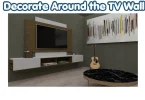
14. Decorate Around the TV Wall
The television wall can easily become visually dominant. Instead of leaving the surrounding wall completely empty, integrate the television into the overall design.
Options include:
- Built-in shelving
- Wood paneling
- Floating cabinets
- Minimal artwork nearby
- Decorative niches
- Closed storage
- Plants and small accessories
Avoid placing too many decorative objects immediately around the screen. The television already attracts attention, so the surrounding design should support it rather than create competing focal points.
15. Try a Minimalist Wall Design
Minimalist wall decor focuses on fewer, more intentional pieces.
A minimalist living room might use:
- One large artwork
- A simple mirror
- Two floating shelves
- Neutral photography
- A single sculptural piece
Minimalism does not mean leaving every wall completely empty. It means choosing fewer elements and giving them enough space to breathe.
This approach is especially useful in smaller rooms where excessive decoration can make the space feel visually busy.
16. Use Black-and-White Wall Art
Black-and-white artwork can provide a timeless look and works with many color schemes.
Photography, line drawings, typography, architectural prints, and abstract artwork can all work in this style.
If your furniture already includes several strong colors, monochrome artwork can provide visual balance. On the other hand, if your entire room is neutral, black-and-white pieces can introduce stronger contrast.
17. Add Wall Sconces
Wall lighting can become part of your decoration rather than simply serving a functional purpose.
Wall sconces can be placed beside artwork, mirrors, shelves, or architectural features. They can add depth to the wall, particularly in the evening.
When installing lighting, consider electrical requirements, mounting height, switch access, and the type of wall construction. If hardwiring is required, professional installation may be appropriate.
18. Create a Budget-Friendly Feature Wall
You do not need an expensive renovation to improve an empty wall.
Affordable approaches include:
- Printable artwork in inexpensive frames
- DIY gallery walls
- Removable wallpaper
- Simple floating shelves
- Thrifted frames
- Personal photography
- DIY painted shapes
- Rearranging existing artwork
The goal is not to spend more. It is to create a deliberate composition that fits your room.
19. Choose Wall Decor Based on Room Size
The size of the wall should influence the scale of your decoration.
| Wall Size | Suitable Decor Approach |
|---|---|
| Small wall | One mirror, small artwork, or compact shelf |
| Medium wall | Gallery arrangement, medium artwork, or multiple shelves |
| Large wall | Oversized artwork, large gallery wall, paneling, or layered arrangement |
| Narrow wall | Vertical artwork, tall mirror, or stacked frames |
Large walls generally need enough visual weight to prevent the furniture from appearing disconnected from the wall.
20. Match Wall Decor With Your Interior Style
Wall decoration should feel connected to the rest of the living room.
Modern
Choose abstract artwork, clean-lined mirrors, simple sculptures, and restrained color palettes.
Traditional
Consider framed landscapes, classic artwork, decorative mirrors, elegant wall lighting, and coordinated frames.
Bohemian
Use woven wall hangings, plants, handmade-looking pieces, photographs, and layered textures.
Scandinavian
Choose simple artwork, light wood, neutral tones, natural materials, and uncluttered arrangements.
Industrial
Consider metal artwork, exposed-material finishes, typography, darker tones, and simple geometric designs.
21. How to Arrange Wall Decor Properly
Good wall decoration is not only about what you buy. Placement matters just as much.
Step 1: Measure the Wall
Measure the wall and the furniture underneath it before buying artwork or shelves.
Step 2: Consider the Furniture
The wall decoration should visually relate to the sofa, console, cabinet, or other furniture below it.
Step 3: Create a Focal Point
Choose the most important item first. Everything else should support the main visual element.
Step 4: Plan Before Drilling
Lay artwork on the floor or create paper templates using the approximate dimensions. This lets you experiment without putting unnecessary holes in the wall.
Step 5: Check the Arrangement
Stand several feet away and look at the wall as a whole. Check whether one side feels heavier than the other.
22. Common Wall Decor Mistakes to Avoid
Even attractive pieces can look wrong when they are poorly arranged.
Hanging Everything Too High
Artwork placed too high can feel disconnected from the furniture. Consider the relationship between the artwork and the furniture beneath it rather than treating the wall as an isolated space.
Using Too Many Small Pieces
A large wall filled with many tiny decorations can appear cluttered. Sometimes one large artwork creates a stronger result.
Ignoring Color
Wall decor should relate to the room’s existing palette. It does not have to match perfectly, but completely unrelated colors can make the room feel fragmented.
Overcrowding Shelves
Decorative shelves need breathing room. Too many objects can make them look untidy.
Forgetting Scale
A small piece on a huge wall may look lost. Likewise, an oversized arrangement can overwhelm a compact room.
Decorating Without a Focal Point
If every item is competing for attention, the room can feel visually confusing. Decide what you want people to notice first.
23. How to Choose the Best Wall Decor for Your Living Room
If you are unsure where to start, use this simple process:
- Identify the largest empty wall.
- Determine whether you want decoration, storage, texture, or a combination.
- Choose a style that complements your furniture.
- Select one main focal element.
- Add supporting pieces gradually.
- Check scale and spacing.
- Leave enough empty space.
- Step back and evaluate the complete arrangement.
This approach helps prevent impulse purchases that look attractive individually but do not work together.
Frequently Asked Questions
What should I put on my living room walls?
You can decorate living room walls with artwork, mirrors, gallery walls, floating shelves, family photographs, plants, clocks, wall sconces, tapestries, or accent finishes. The best choice depends on the wall size, furniture placement, lighting, budget, and overall interior style.
How do I decorate a large blank wall in a living room?
For a large blank wall, consider oversized artwork, a gallery wall, a large mirror, shelves, wood paneling, or a combination of complementary elements. Start with one strong focal point and build around it instead of filling the entire wall with unrelated decorations.
How can I decorate my living room walls cheaply?
Affordable options include DIY artwork, personal photographs, inexpensive frames, floating shelves, removable wallpaper, thrifted decorative pieces, and painted accent designs. Reusing artwork or rearranging existing accessories can also transform a wall without requiring a major decorating budget.
Should wall art match the living room furniture?
Wall art does not need to match your furniture exactly. However, repeating colors, materials, shapes, or textures can create visual cohesion. For example, artwork containing a color from your cushions or rug can help connect the wall decoration with the rest of the room.
How do I choose the right size wall art?
Choose artwork that has enough visual presence to relate to the furniture beneath it without overwhelming the space. Measure the wall and furniture first, then consider the artwork’s width, height, frame, and surrounding empty space before making a final decision.
Conclusion
The best wall decor ideas for living room spaces combine personal style with practical planning. A gallery wall, statement artwork, mirror, shelves, plants, accent wall, or sculptural decoration can all work when the scale, placement, color, and furniture relationship are considered carefully.
You do not need to decorate every available inch. Start with the most visible empty wall, choose one focal element, and add supporting pieces only when they improve the overall composition.
Practical next step: measure your main living room wall, photograph the surrounding furniture, and choose one wall decor style that fits your existing colors and interior design.
SEO Details
SEO-Friendly URL Slug:/wall-decor-ideas-for-living-room/
Five Image Alt Texts:
- Modern wall decor ideas for living room with large artwork
- Gallery wall and sofa in a stylish living room
- Large mirror and floating shelves for living room wall decor
- Minimalist living room wall decoration with neutral artwork
- Cozy living room with wood accent wall and decorative shelves
Five Related Article Ideas:
- Modern Living Room Ideas for Small Spaces
- How to Choose Furniture for Living Room
- Living Room Accent Wall Ideas for Every Style
- Best Colors for a Modern Living Room
- How to Arrange Furniture in a Small Living Room
Rank Math Schema Title:
Wall Decor Ideas for Living Room: Stylish Decorating Guide
Rank Math Schema Description:
Explore practical wall decor ideas for living room spaces, including artwork, mirrors, shelves, gallery walls, accent walls, and budget-friendly decorating tips.
Focus Keyword:
wall decor ideas for living room
Five Related Keywords:
- living room wall decor ideas
- living room wall decoration
- modern living room wall decor
- living room accent wall ideas
- wall art ideas for living room