
Introduction
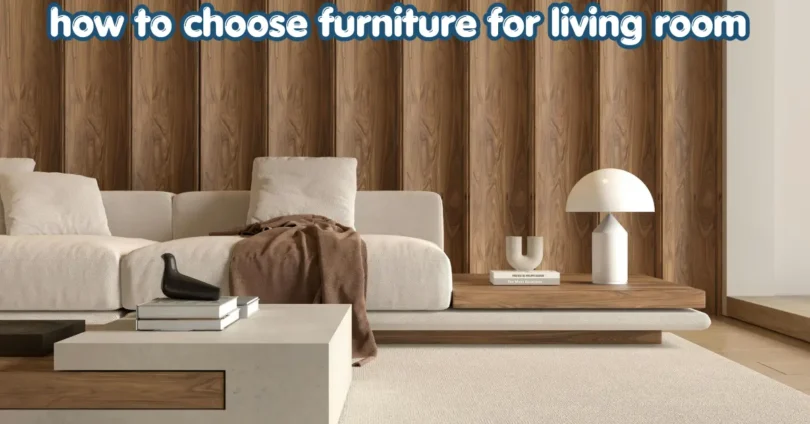
How to choose furniture for living room spaces depends on more than appearance. The right furniture should fit the room, support everyday activities, provide enough comfort, work with your layout, and complement the overall style of your home.
Whether you are furnishing a completely empty room, replacing an old sofa, or updating your existing décor, choosing furniture in the right order can prevent common and expensive mistakes. This guide explains how to measure your space, select the right sofa and seating, choose tables and storage, coordinate styles, consider materials, set a realistic budget, and create a comfortable living room layout.
The goal is not simply to fill the room. It is to create a space that feels balanced, functional, comfortable, and easy to use.
What Should You Consider Before Buying Living Room Furniture?
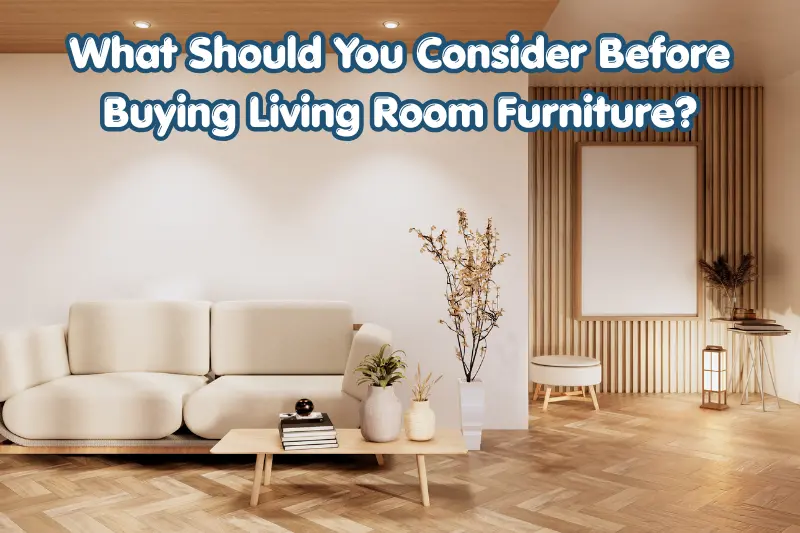
Before buying anything, consider the room size, layout, purpose, household needs, style, comfort, material, and budget. These factors determine whether a piece of furniture will actually work in your space.
Start by asking a few practical questions:
- How large is the living room?
- How many people normally use it?
- Is the room mainly for relaxing, watching TV, entertaining, reading, or several activities?
- Do you need extra storage?
- Are there children or pets in the household?
- What furniture do you already own?
- What style and colors are already present?
- How much can you comfortably spend?
Answering these questions first makes furniture shopping much easier.
Measure Your Living Room Before Shopping
One of the most important steps in choosing furniture is measuring the room. A sofa that looks perfectly sized in a showroom may overwhelm a smaller living room.
Measure:
- Room length and width
- Ceiling height if tall furniture is being considered
- Doorways and entrances
- Hallways leading to the room
- Windows and their locations
- Radiators, vents, outlets, and other fixed features
- Existing built-in cabinets or shelves
Do not measure only the open floor area. Furniture must also be able to enter the home and move through doors, stairways, elevators, and hallways.
Create a Simple Furniture Floor Plan
A basic floor plan can help you test different layouts before spending money.
Mark the doors, windows, fireplace, TV location, and other fixed features. Then create approximate furniture shapes using paper, cardboard, or a digital room-planning tool.
This helps answer practical questions such as:
- Will people have enough walking space?
- Can cabinet doors open properly?
- Will the sofa block a doorway?
- Can everyone comfortably see the television?
- Is the seating arranged for conversation?
Planning first is usually easier than returning oversized furniture later.
Choose Furniture Based on How You Use the Room
The best living room furniture is the furniture that supports your actual lifestyle.
For example, a household that frequently hosts guests may need several comfortable seating options. Someone who primarily uses the room for reading may prioritize an armchair, side table, and good lighting.
Think about your daily activities before choosing individual pieces.
For Relaxing
A comfortable sofa, sectional, recliner, ottoman, or lounge chair can form the main seating area.
For Entertaining
Consider multiple seats arranged so people can easily talk to one another. A coffee table can provide a convenient central surface for drinks and snacks.
For Family Use
Durable upholstery, practical storage, and easy-to-clean surfaces can be more important than delicate decorative materials.
For Small Spaces
Look for furniture that performs more than one function, such as an ottoman with storage, a compact sofa bed, nesting tables, or a slim media cabinet.
Start With the Sofa
The sofa is often the largest and most visually important piece in a living room, so it is usually sensible to choose it before smaller furniture.
When comparing sofas, consider:
- Width
- Depth
- Height
- Seat firmness
- Back support
- Arm style
- Upholstery
- Frame construction
- Cushion design
- Cleaning requirements
Do not judge a sofa only by how it looks in photographs. If possible, sit on it for several minutes and consider whether the seating position feels comfortable.
Sofa or Sectional: Which Should You Choose?
A traditional sofa works well when you want flexibility in arranging the room. A sectional can provide more seating and define a larger open-plan area, but it requires more careful planning because of its shape and size.
Choose a sectional when:
- You have enough floor space
- You want generous seating
- The room benefits from a defined lounge area
- The sectional’s orientation works with your doors and other features
Choose a standard sofa when:
- You want greater layout flexibility
- You may move furniture later
- The room is relatively small
- You want to combine the sofa with separate chairs
Select Additional Seating Carefully
Once the main sofa is selected, determine how many additional seats you actually need.
Common options include:
- Armchairs
- Accent chairs
- Recliners
- Benches
- Ottomans
- Loveseats
- Dining-style chairs in multifunctional spaces
Avoid automatically buying matching pieces. A sofa paired with one or two complementary chairs can create a more interesting and flexible arrangement.
The important point is that the seating should feel visually connected without making the room look like a furniture showroom.
Consider the Living Room Layout
Furniture arrangement affects how spacious and comfortable a room feels.
A good layout should create a clear focal point and allow people to move naturally through the room.
Common focal points include:
- Television
- Fireplace
- Large window
- Artwork
- Architectural feature
- Coffee table and conversation area
Create a Conversation Area
Whenever possible, arrange seating so people can comfortably face or angle toward one another rather than having every piece pointed in the same direction.
In a family room where the television is the main focus, seating can still be positioned to encourage conversation.
Avoid pushing every piece directly against the walls simply because the room is small. In some layouts, allowing furniture to sit slightly away from the wall can create a more intentional seating zone.
Choose the Right Coffee Table

A coffee table should work with the scale of the sofa and surrounding seating.
Think about:
- Table length
- Width
- Height
- Shape
- Walking space
- Material
- Storage needs
Rectangular coffee tables work naturally with many sofas, while round or oval tables can soften rooms containing lots of straight lines.
For households with young children, rounded edges may be worth considering.
Coffee Table Alternatives
If a traditional coffee table does not suit the room, consider:
- Ottoman
- Storage ottoman
- Nesting tables
- C-shaped side tables
- Small movable tables
The best option is the one that provides the surface you need without obstructing movement.
Add Side Tables and Storage
Side tables are useful because people often need a surface next to a sofa or chair for a lamp, drink, book, phone, or remote control.
Storage furniture can also reduce clutter.
Consider:
- TV consoles
- Sideboards
- Bookcases
- Cabinets
- Shelving
- Storage benches
- Ottomans with hidden compartments
Choose storage based on what you actually need to store. Closed cabinets can hide clutter, while open shelving is useful for books and decorative objects but requires more visual organization.
Match Furniture to Your Interior Style
Your living room furniture should complement the architectural character and existing décor of the home.
Popular styles include:
Modern
Modern living rooms often use clean lines, simple forms, and a restrained material and color palette.
Traditional
Traditional spaces may feature classic silhouettes, detailed woodwork, patterned upholstery, and more decorative elements.
Minimalist
Minimalist furniture generally focuses on simplicity, functionality, and avoiding unnecessary pieces.
Scandinavian
Scandinavian-inspired rooms commonly emphasize simplicity, natural-looking materials, practical forms, and a light, comfortable atmosphere.
Industrial
Industrial interiors often combine materials such as metal, wood, leather, and exposed-looking finishes.
You do not need to follow one style perfectly. Combining complementary styles can make a room feel more personal.
Pay Attention to Furniture Scale
Scale refers to how the size of one piece relates to the room and the other furniture around it.
A very large sectional in a small room can make the space feel crowded. Conversely, several tiny pieces in a large room may make the space feel unfinished.
Think about the visual relationship between:
- Sofa and coffee table
- Sofa and chairs
- Furniture and ceiling height
- Rug and seating area
- Cabinet and television
- Furniture and available wall space
Avoid Buying Furniture That Is Too Large
Large furniture is one of the most common problems in poorly planned living rooms.
Before purchasing, use measurements and mark the approximate footprint on the floor. This gives you a better idea of how much usable space will remain.
Remember that furniture dimensions listed online may not tell the entire story. Deep cushions, wide arms, reclining mechanisms, or extended backs can increase the practical footprint.
Choose Durable and Practical Materials
Furniture materials should match your lifestyle.
If the living room receives heavy daily use, prioritize materials that are appropriate for frequent use and reasonably easy to maintain.
Consider:
- Upholstery durability
- Stain resistance
- Ease of cleaning
- Wood finish
- Metal construction
- Cushion maintenance
- Pet and child requirements
For a busy household, a beautiful but difficult-to-maintain fabric may become frustrating.
Always check the manufacturer’s care instructions before purchasing upholstered furniture.
Choose Colors Strategically
Furniture color should work with the room’s walls, flooring, curtains, rugs, and existing decorative elements.
Neutral furniture can provide flexibility because it is easier to update with cushions, throws, artwork, and other accessories.
However, colorful or patterned furniture can become an attractive focal point when used intentionally.
A practical approach is to select one major visual direction and then add smaller contrasting elements.
For example:
- Neutral sofa + colorful cushions
- Natural wood furniture + soft textiles
- Plain seating + patterned rug
- Statement chair + neutral surrounding furniture
Think About Comfort, Not Just Appearance
A living room may look beautiful but still fail if the furniture is uncomfortable.
When testing furniture, consider:
- Seat depth
- Cushion firmness
- Back support
- Arm height
- Seat height
- Reclining position
- Fabric feel
- Ease of getting up and sitting down
Different people prefer different levels of firmness and support, so there is no universal “most comfortable” sofa.
The right choice depends on who will use it and how.
Set a Realistic Furniture Budget
Furniture costs can vary significantly based on size, materials, construction, brand, and design.
Instead of spending your entire budget on one item, consider the whole room.
A basic budget can include:
- Main sofa or sectional
- Additional seating
- Coffee table
- Side tables
- Storage
- Rug
- Lighting
- Decorative accessories
If your budget is limited, prioritize the pieces that receive the most daily use. You can add decorative or secondary furniture gradually.
Buy Furniture in the Right Order
If you are furnishing the room from scratch, buying everything at once is not always necessary.
A practical order is:
- Measure the room.
- Decide on the layout.
- Choose the sofa or sectional.
- Add essential seating.
- Select a coffee table.
- Add storage.
- Choose side tables and lighting.
- Add rugs and accessories.
This approach reduces the risk of buying pieces that do not work together.
Common Furniture-Buying Mistakes to Avoid
Knowing what not to do can make furniture shopping much easier.
Buying Before Measuring
A piece can look perfect online and still be completely unsuitable for your room.
Choosing Appearance Over Comfort
A stylish chair that nobody wants to sit in does not serve its purpose.
Filling Every Empty Area
An empty corner does not necessarily need furniture. Negative space can help a room feel more open.
Ignoring Traffic Flow
People should be able to enter, leave, and move around the living room without constantly walking around furniture.
Buying a Complete Matching Set
Matching every item exactly can make the room feel less personal. Coordinated furniture often creates more visual interest.
Forgetting Delivery Measurements
Always check whether large furniture can pass through doors, stairs, elevators, and narrow hallways.
Choosing High-Maintenance Materials for Busy Homes
Consider how much cleaning and maintenance you realistically want to perform.
How to Choose Furniture for a Small Living Room
If your living room is small, prioritize furniture that provides useful function without overwhelming the floor area.
Helpful strategies include:
- Choose a compact sofa.
- Consider furniture with visible legs to create a lighter visual effect.
- Use nesting or movable tables.
- Select storage furniture carefully.
- Avoid oversized sectional sofas unless the room layout supports them.
- Use one larger rug to visually connect the seating area when appropriate.
- Keep pathways clear.
- Avoid unnecessary decorative furniture.
The objective is not to make every piece tiny. It is to create the right balance between furniture and available space.
How to Choose Furniture for a Large Living Room
Large rooms create different challenges. Too little furniture can make the room feel disconnected.
Consider creating separate zones, such as:
- Main conversation area
- Reading corner
- Television area
- Small workspace
- Game or family activity zone
A large room may benefit from multiple seating groups rather than one oversized sofa.
Use rugs, lighting, tables, and furniture placement to visually define each zone.
How to Make Different Furniture Pieces Work Together
Furniture does not need to match exactly, but it should share some visual relationship.
You can create cohesion through:
- Similar wood tones
- Repeated colors
- Related fabric textures
- Consistent design shapes
- Complementary metal finishes
- Similar proportions
For example, a modern sofa can work with a wooden coffee table and contemporary accent chair if their colors, proportions, and overall shapes feel connected.
A Simple Furniture Selection Checklist
Before buying any living room furniture, check the following:
- I measured the room.
- I measured doors and access routes.
- I know how the furniture will be arranged.
- The sofa fits the room.
- The seating is comfortable.
- There is enough walking space.
- The furniture suits my lifestyle.
- The materials are practical for my household.
- The colors work with the existing room.
- I have considered maintenance.
- The furniture fits my budget.
- I checked delivery dimensions.
Frequently Asked Questions
How do I choose furniture for a living room?
Choose living room furniture based on room size, layout, comfort, function, style, durability, and budget. Start by measuring the space and deciding how the room will be used. Select the main sofa first, then add seating, tables, storage, rugs, and accessories that fit the layout and complement one another.
What furniture should I buy first for a living room?
The sofa or sectional is usually a practical starting point because it is often the largest piece and influences the rest of the layout. After choosing it, select additional seating, a coffee table, storage, and side tables. This sequence helps ensure that smaller pieces fit the overall scale and arrangement.
How do I choose furniture for a small living room?
For a small living room, choose appropriately scaled furniture and prioritize pieces with useful functions. Compact sofas, storage ottomans, nesting tables, and slim storage units can help preserve floor space. Before purchasing, measure both the room and the furniture’s delivery route to avoid sizing problems.
Should all living room furniture match?
No. Living room furniture does not have to come from the same collection or perfectly match. Coordinating colors, materials, shapes, and proportions can create a cohesive appearance while allowing the room to feel more personal. A combination of complementary pieces can often provide more visual interest than an identical furniture set.
How much furniture should a living room have?
A living room should contain enough furniture for its intended activities without making movement difficult. Start with essential seating and functional tables, then add storage or accent pieces only when they serve a purpose. Leaving some open space can improve circulation and prevent the room from feeling overcrowded.
Conclusion
Knowing how to choose furniture for living room spaces starts with understanding the room rather than shopping based only on appearance. Measure the space, determine how it will be used, choose furniture that fits the layout, and prioritize comfort and practicality.
Start with your sofa or main seating piece, then build the room around it with chairs, tables, storage, rugs, and accessories. Pay attention to scale, traffic flow, materials, maintenance, and budget.
Your next step is simple: measure your living room, sketch your preferred layout, and make a list of the essential furniture pieces before you start shopping. This small amount of planning can make the entire furniture-selection process easier and more successful.
SEO Details
SEO-Friendly URL Slug:/how-to-choose-furniture-for-living-room/
Image Alt Texts:
- How to choose furniture for living room layout
- Comfortable sofa and chairs in a modern living room
- Small living room furniture arrangement
- Living room furniture with coffee table and storage
- Measuring living room space before buying furniture
Five Related Article Ideas:
- How to Arrange Living Room Furniture for Better Flow
- Best Furniture Ideas for Small Living Rooms
- How to Choose the Right Sofa for Your Living Room
- Living Room Color Ideas That Work With Neutral Furniture
- How to Create a Comfortable Living Room on a Budget
Rank Math Schema Title:
How to Choose Furniture for Living Room
Rank Math Schema Description:
A practical guide to choosing living room furniture based on room size, layout, comfort, style, materials, functionality, and budget.
Focus Keyword:
how to choose furniture for living room
Five Related Keywords:
- living room furniture ideas
- choosing living room furniture
- living room furniture layout
- best furniture for small living room
- how to arrange living room furniture