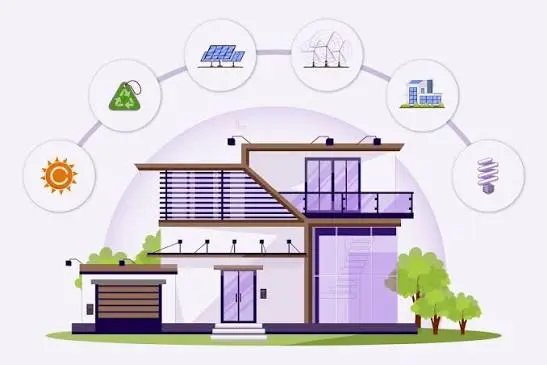

Energy efficient home upgrades can help U.S. homeowners reduce energy waste, improve indoor comfort, and potentially lower monthly utility costs. The best improvements are not always the most expensive ones. In many homes, sealing air leaks, improving insulation, upgrading heating and cooling equipment, and choosing efficient appliances can deliver meaningful benefits.
This guide explains the most useful energy efficient home upgrades, how to prioritize them, what they can accomplish, common mistakes to avoid, and how homeowners can investigate available rebates and incentives. Because home construction, climate, utility rates, and equipment needs vary across the United States, the right upgrade plan should be based on the specific property rather than a one-size-fits-all checklist.
What Are Energy Efficient Home Upgrades?
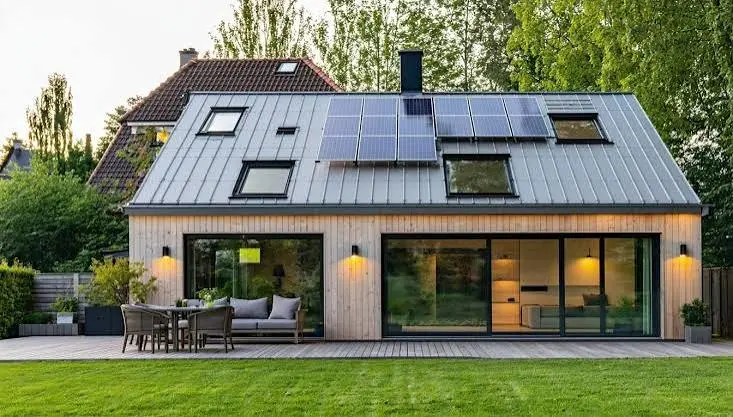
Energy efficient home upgrades are improvements that reduce the amount of energy a home needs to provide heating, cooling, hot water, lighting, and other everyday services.
Examples include:
- Adding attic and wall insulation
- Sealing air leaks
- Improving ductwork
- Installing an efficient heat pump
- Replacing an inefficient water heater
- Installing high-performing windows
- Using a smart thermostat
- Upgrading to efficient lighting and appliances
- Preparing the home’s electrical system for efficient electric equipment
The U.S. Environmental Protection Agency’s ENERGY STAR program identifies insulation, windows, HVAC systems, heat pump water heaters, and smart thermostats among the important ways homeowners can improve efficiency.
The key idea is simple: use less energy to achieve the same level of comfort and performance.
Why Energy Efficient Home Upgrades Matter
Energy efficient home upgrades can provide several benefits beyond reducing energy consumption.
Lower Energy Waste
A poorly insulated or leaky home can lose conditioned air and force heating and cooling equipment to work harder. Air sealing and insulation can address some of these problems before homeowners invest in larger mechanical upgrades.
ENERGY STAR says sealing air leaks and adding insulation can provide up to 10% savings on annual energy bills, although actual results depend on the home and the work performed.Energy efficient home upgrades can make your home more comfortable and help reduce monthly energy bills.
With energy efficient home upgrades, you can improve insulation, lighting, windows, and appliances for better performance.
Many homeowners choose energy efficient home upgrades to create a more sustainable and cost-effective living space.
Smart energy efficient home upgrades can also increase property value while reducing unnecessary energy consumption.
Investing in energy efficient home upgrades is a practical way to enjoy long-term savings and a greener home with energy efficient home upgrades.
Better Indoor Comfort
Efficiency improvements can also make rooms feel more consistent. Drafty windows, poorly sealed ducts, insufficient insulation, and improperly sized HVAC equipment can contribute to rooms that are too hot or too cold.
A more efficient home can also reduce temperature swings and drafts, making everyday living more comfortable.
Reduced Environmental Impact
Using less energy can reduce the amount of energy that must be generated or delivered to the home. ENERGY STAR notes that energy efficiency can reduce energy waste, lower energy costs, and reduce pollution associated with energy use.
Potentially Higher Home Appeal
Efficiency features can also become attractive selling points. Buyers may value efficient HVAC systems, improved insulation, modern windows, and lower operating costs.
However, homeowners should not assume that every upgrade will recover its entire cost through resale value. The financial return varies considerably by project, location, installation quality, and local housing conditions.
7 Best Energy Efficient Home Upgrades
Not every house needs every improvement. The best approach is to identify the home’s biggest sources of energy waste and address them in the right order.
1. Seal Air Leaks and Improve Insulation
Air sealing and insulation are often among the most practical places to start.
Common air leakage areas include:
- Attic penetrations
- Doors and window frames
- Plumbing and electrical openings
- Recessed lighting areas
- Basement and crawl-space connections
- Gaps around ducts and other building penetrations
Insulation helps slow heat transfer, while air sealing reduces unwanted movement of air.
ENERGY STAR specifically recommends sealing air leaks and adding insulation as critical steps for improving home efficiency and comfort.
Why Start Here?
Improving the building envelope can reduce the heating and cooling load before you replace HVAC equipment. This means a future system may not need to work as hard to maintain comfortable temperatures.
For homeowners planning multiple improvements, this sequencing can be important.
2. Upgrade to an Efficient Heat Pump
Heat pumps are increasingly important in energy-efficient home improvement plans because one system can provide both heating and cooling.
Instead of generating heat directly, a heat pump transfers heat. ENERGY STAR explains that an air-source heat pump can provide heating and cooling while using electricity to move heat rather than relying on conventional combustion for heating.
A heat pump may be worth considering if:
- Your existing HVAC equipment is aging
- Energy bills are increasing
- You frequently need repairs
- Your home has inconsistent temperatures
- You are already planning to replace an air conditioner or heating system
Proper sizing and installation matter. A highly efficient unit will not perform as expected if it is poorly sized, installed incorrectly, or connected to problematic ductwork.
3. Install a Heat Pump Water Heater
Water heating is another major energy use in many homes.
ENERGY STAR reports that a certified heat pump water heater can use substantially less energy than a standard electric water heater and estimates savings of more than $550 per year for a household of four under its specified comparison. Actual savings will vary based on household usage, electricity rates, equipment, and installation conditions.
A heat pump water heater can be particularly attractive when an existing electric water heater is approaching the end of its useful life.
Before installation, homeowners should consider:
- Available space
- Electrical requirements
- Climate and installation location
- Noise
- Condensate drainage
- Household hot-water demand
4. Replace Inefficient or Drafty Windows
Windows can influence both comfort and energy consumption.
Old single-pane windows and poorly sealed windows can allow unwanted heat transfer and air leakage. ENERGY STAR-certified windows are designed according to climate-specific performance requirements.
Two important window measurements are:
U-factor: Measures how well a window insulates. A lower U-factor generally indicates better insulating performance.
Solar Heat Gain Coefficient (SHGC): Measures how much solar heat enters through a window. Lower SHGC values can be beneficial in hot, sunny climates when reducing unwanted solar heat gain is a priority.
This is why homeowners should not simply choose the window with the lowest advertised number. Climate and orientation matter.
5. Install a Smart Thermostat
A smart thermostat can automatically adjust heating and cooling schedules based on household routines.
For example, a homeowner could program the thermostat to use different settings when:
- The family is sleeping
- Nobody is home
- Everyone is at work or school
- The household is preparing for the evening
ENERGY STAR notes that heating and cooling can account for a large portion of household energy use, making temperature control an important efficiency opportunity.
A smart thermostat is relatively simple compared with major construction projects, but compatibility should be checked before installation.
6. Improve Ductwork
Efficient HVAC equipment cannot compensate for severely inefficient ductwork.
Leaky or poorly insulated ducts can waste conditioned air before it reaches living spaces. ENERGY STAR recommends checking that ducts are properly connected, sealed, and insulated where appropriate.
Signs of possible duct problems include:
- Rooms that remain uncomfortable
- Excessive dust
- Uneven temperatures
- High energy bills
- Weak airflow
- Ducts running through unconditioned spaces
A professional evaluation can help determine whether duct sealing, insulation, balancing, or another correction is appropriate.
7. Upgrade Lighting and Appliances
Lighting and appliances can also contribute to household energy consumption.
When replacement becomes necessary, homeowners can look for ENERGY STAR-certified products where applicable.
Potential upgrades include:
- Refrigerators
- Clothes washers
- Dishwashers
- Lighting
- Room air conditioners
- Heat pump water heaters
- Electric cooking equipment
The most sensible strategy is usually to replace equipment as it reaches the end of its useful life rather than discarding a functional appliance solely for a small efficiency improvement.
Which Energy Efficient Home Upgrades Should You Do First?
The best order depends on the home, but a practical sequence is:
- Identify the biggest problems.
- Conduct a home energy assessment if appropriate.
- Seal major air leaks.
- Improve insulation where needed.
- Address duct problems.
- Upgrade HVAC equipment when replacement is necessary.
- Improve water heating efficiency.
- Replace inefficient windows when justified.
- Upgrade thermostats, lighting, and appliances.
- Consider solar or other renewable-energy options after efficiency improvements.
ENERGY STAR recommends completing energy-efficiency improvements before adding renewable-energy systems in many situations because reducing energy demand first can make subsequent investments more effective.
Energy Efficient Home Upgrades by Priority
| Upgrade | Main Benefit | Best Time to Consider |
|---|---|---|
| Air sealing | Reduces drafts and energy waste | Early in an upgrade plan |
| Insulation | Improves thermal performance | When insulation is inadequate |
| Heat pump | Efficient heating and cooling | HVAC replacement |
| Heat pump water heater | More efficient hot water | Water heater replacement |
| Windows | Comfort and reduced heat transfer | When windows are drafty or failing |
| Smart thermostat | Better temperature control | Any suitable HVAC system |
| Duct sealing | Improves HVAC delivery | When ducts leak or are poorly insulated |
| Efficient appliances | Reduces appliance energy use | When replacing old equipment |
How to Plan Energy Efficient Home Upgrades on a Budget
You do not have to renovate your entire home at once.
Start With an Assessment
Look for obvious problems such as drafts, poor insulation, high utility bills, aging HVAC equipment, and uncomfortable rooms.
A professional home energy assessment can provide a more systematic picture of where energy is being used and where improvements may provide the greatest benefit.
Prioritize High-Impact Work
Instead of choosing projects based only on appearance, consider:
- Energy savings potential
- Installation cost
- Expected lifespan
- Comfort improvement
- Maintenance requirements
- Available incentives
- Urgency of replacement
Coordinate Projects
Some improvements work better together.
For example, improving attic insulation and air sealing before replacing an aging HVAC system may reduce the home’s heating and cooling demand. ENERGY STAR specifically advises considering insulation before a new heat pump so the homeowner does not pay for more heating or cooling capacity than necessary.
Rebates and Incentives for U.S. Homeowners
Financial incentives can make energy efficient home upgrades more affordable, but homeowners should verify current eligibility before making a purchase.
Energy efficient home upgrades can make your home more comfortable and help reduce monthly energy bills.
With energy efficient home upgrades, you can improve insulation, lighting, windows, and appliances for better performance.
Many homeowners choose energy efficient home upgrades to create a more sustainable and cost-effective living space.
Smart energy efficient home upgrades can also increase property value while reducing unnecessary energy consumption.
Investing in energy efficient home upgrades is a practical way to enjoy long-term savings and a greener home with energy efficient home upgrades.
The U.S. Department of Energy’s Home Energy Rebates program provides rebates for qualifying home improvements, with state, territory, or Tribal programs determining availability and eligibility. The DOE says rebates may cover projects such as insulation, air sealing, HVAC equipment, water heaters, duct sealing, appliances, and lighting.
However, incentive programs can change.
Federal tax credits for certain residential energy-efficiency improvements were available through 2025 under the Energy Efficient Home Improvement Credit. Current IRS guidance states that the credit does not apply to qualifying property placed in service after December 31, 2025.
That means homeowners planning upgrades in 2026 should not automatically rely on older articles claiming that the federal tax credit is still available.
Instead, check:
- Your state energy office
- Local utility programs
- Current DOE rebate information
- Manufacturer incentives
- Local weatherization programs
- Eligibility requirements before purchasing equipment
The DOE currently maintains information on available Home Energy Rebates and directs homeowners to check their state’s program status.
Common Mistakes to Avoid
Replacing Windows Before Fixing Major Air Leaks
New windows may improve comfort, but they should not automatically be the first project if the attic, doors, ducts, or other parts of the building envelope are major sources of energy loss.
Buying the Most Powerful HVAC System
Bigger does not automatically mean better. Oversized equipment can cycle improperly and may not provide the comfort homeowners expect.
Ignoring Installation Quality
Equipment efficiency ratings matter, but installation quality matters too. Incorrect sizing, poor duct connections, inadequate airflow, or improper setup can undermine performance.
Choosing Products Without Considering Climate
A product that performs well in a cold climate may not be the best choice for a hot climate.
Windows are a clear example: U-factor and SHGC should be considered according to local conditions.
Assuming Every Upgrade Pays for Itself Quickly
Energy savings are valuable, but payback periods vary. A project can improve comfort and home performance without producing a rapid financial payback.
Evaluate the complete picture rather than focusing only on a projected annual savings figure.
Are Energy Efficient Home Upgrades Worth It?
Yes, they can be worthwhile when selected according to the home’s actual needs.
The strongest candidates are usually improvements that address significant energy waste, improve comfort, replace failing equipment, or reduce long-term operating costs.
The most effective approach is not necessarily to buy the most expensive equipment. It is to create a coordinated plan that improves the home as a system.
For example, a homeowner might first seal and insulate the attic, then address duct problems, and later replace an aging HVAC system with a properly sized high-efficiency heat pump.
That approach can be more sensible than installing expensive equipment while leaving major building-envelope problems unresolved.
GmailFor better professional communication, learn these email etiquette rules for professionals and use practical email productivity tips. You can also improve your workflow with Gmail.
Frequently Asked Questions
What are the best energy efficient home upgrades?
The best upgrades depend on the home’s condition and climate. Common high-impact options include air sealing, insulation, efficient heating and cooling, heat pump water heaters, high-performing windows, duct improvements, and smart thermostats. ENERGY STAR’s Home Upgrade program highlights several of these improvements because they can work together to improve comfort and efficiency.
What should I upgrade first to make my home more energy efficient?
Start by identifying where your home is losing or wasting energy. Air sealing and insulation are often good early priorities, especially when the attic or building envelope is poorly insulated. After reducing unnecessary heating and cooling demand, consider HVAC, water heating, windows, and other equipment based on age and condition.
Do energy efficient home upgrades increase home value?
They can make a property more attractive by improving comfort, operating efficiency, and the condition of major systems. However, the effect on resale value varies by market and project. Homeowners should not assume that every energy upgrade will recover its full cost when the property is sold.
Are there rebates for energy efficient home upgrades in the U.S.?
Some state, local, utility, and federal programs may provide financial assistance, but eligibility changes over time. The DOE currently provides information about Home Energy Rebates, while individual state programs determine availability and requirements. Always verify the current rules before starting work or purchasing equipment.
Is a heat pump worth considering for an older home?
A heat pump can be a strong option for many older homes, but suitability depends on climate, insulation, electrical capacity, ductwork, equipment sizing, and installation quality. If an older home has major air leakage or inadequate insulation, addressing those issues first can improve the overall performance of a future heating and cooling system.
Conclusion
Energy efficient home upgrades are most effective when homeowners treat the property as a complete system rather than a collection of individual products. Air sealing, insulation, efficient HVAC equipment, heat pump water heaters, high-performing windows, duct improvements, and smart controls can all contribute to a more comfortable and efficient home.
The smartest first step is to identify the biggest sources of energy waste before spending money on major equipment. From there, prioritize improvements according to your home’s condition, local climate, budget, and long-term plans.
For homeowners in the United States, it is also important to check current state, utility, and government programs before beginning a project. Incentives can change, and eligibiliy should always be confirmed using current official information.