
Common Home Maintenance Problems Every U.S. Homeowner Should Know
Introduction
Common home maintenance problems can range from a dripping faucet or clogged gutter to roof leaks, HVAC failures, electrical issues, and moisture damage. Some problems are inexpensive to fix when discovered early but can become much more costly when ignored.
For homeowners in the United States, regular maintenance is an important part of protecting the home, improving comfort, maintaining energy efficiency, and reducing the risk of unexpected repairs.
This guide explains the most common home maintenance problems, the warning signs to watch for, what homeowners can safely handle themselves, when professional help is appropriate, and how to create a practical maintenance routine.
What Are Common Home Maintenance Problems?
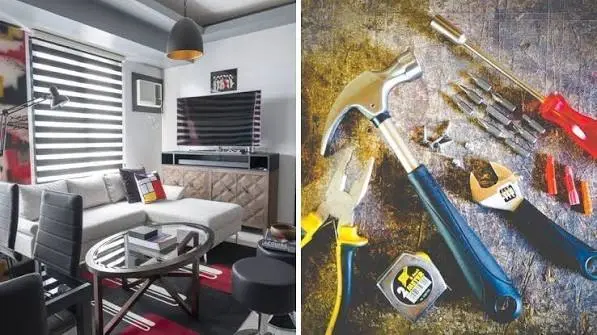
Common home maintenance problems are recurring issues that affect a home’s structure, systems, appliances, exterior, or indoor environment. They include plumbing leaks, roof damage, clogged gutters, HVAC problems, electrical faults, drainage issues, pest activity, and moisture-related damage.
The most important principle is simple: small problems are usually easier and less expensive to address than neglected problems.
For example, a small roof leak may initially affect only a limited area. If water continues entering the home, however, it can damage insulation, ceilings, drywall, framing, and other materials.
The U.S. Department of Energy also emphasizes moisture control, air sealing, ventilation, and regular maintenance as important parts of keeping a home durable and efficient.
1. Plumbing Leaks and Dripping Faucets
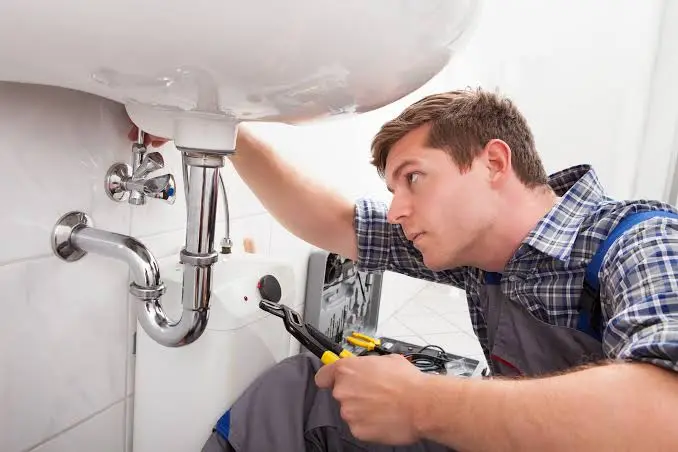
Plumbing problems are among the most noticeable home maintenance issues because water damage can develop quickly.
Common warning signs include:
- Dripping faucets
- Running toilets
- Slow drains
- Water stains under sinks
- Damp cabinets
- Low or inconsistent water pressure
- Wet spots around pipes
- Unusual sounds from plumbing fixtures
A small faucet leak may seem insignificant, but persistent leaks waste water and can damage surrounding surfaces.
What Can Homeowners Do?
For minor issues, homeowners may be able to replace a worn washer, clean an aerator, tighten an appropriate connection, or clear a simple drain blockage.
However, a leaking pipe inside a wall, persistent sewer backup, major water leak, or sudden loss of water pressure may require a licensed plumbing professional.
Common Mistake
One of the biggest mistakes is treating visible water as the entire problem. A stain on a ceiling, for example, may be evidence of a leak originating somewhere above it rather than a problem with the ceiling itself.
2. Roof Leaks and Damaged Shingles
Your roof is one of the home’s primary defenses against rain, wind, snow, and other weather conditions.
Common roofing maintenance problems include:
- Missing or damaged shingles
- Cracked flashing
- Damaged roof vents
- Clogged roof drainage
- Leaks around chimneys
- Water stains on ceilings
- Damaged gutters or downspouts
How Do You Know If Your Roof Has a Problem?
Look for dark or discolored ceiling areas, damp attic insulation, visible roof damage, missing shingles, or water appearing after rainfall.
Do not assume that every roof leak will appear directly beneath the damaged section. Water can travel along roofing materials and framing before becoming visible indoors.
When Should You Call a Professional?
Roof work can involve fall hazards and structural risks. If you cannot safely inspect the roof from the ground or a safe access point, contact a qualified roofing professional rather than climbing onto the roof yourself.
3. Clogged or Damaged Gutters
Gutters direct rainwater away from the roof and foundation. When they become clogged with leaves, dirt, or other debris, water may overflow against the home’s exterior.
Signs of gutter problems include:
- Water spilling over the sides
- Sagging gutters
- Detached sections
- Rust or corrosion
- Water pooling near the foundation
- Plants growing inside gutters
The U.S. Department of Energy identifies gutter and drainage maintenance as an important part of controlling moisture around a home.
How to Prevent Gutter Problems
Inspect gutters regularly, especially after periods of heavy weather or when surrounding trees shed leaves.
Make sure downspouts direct water away from the foundation and that water does not consistently collect beside the house.
4. HVAC Problems
Heating, ventilation, and air conditioning systems play a major role in home comfort.
Common HVAC problems include:
- Dirty or restricted filters
- Poor airflow
- Uneven room temperatures
- Strange noises
- Short cycling
- Excessive energy use
- Leaking condensate
- Poor cooling or heating performance
The Department of Energy notes that HVAC performance can be affected by installation and maintenance problems, including duct leakage, airflow issues, and incorrect refrigerant charge.
Basic HVAC Maintenance
Homeowners should follow the equipment manufacturer’s recommendations for filter replacement and routine care.
Keep outdoor equipment clear of leaves, grass, and other debris where appropriate. Also make sure supply and return vents are not unnecessarily blocked.
For refrigerant problems, electrical faults, major mechanical issues, or system performance problems, professional service is generally the safer choice.
5. Electrical Problems
Electrical issues should never be treated casually because faulty wiring or overloaded circuits can create serious safety risks.
Common warning signs include:
- Frequently tripped breakers
- Flickering lights
- Warm outlets or switches
- Burning smells
- Buzzing sounds
- Loose outlets
- Sparks
- Frequently blown fuses in older systems
What Should You Do?
Do not attempt complicated electrical repairs simply because a problem appears easy.
Replacing a light bulb or resetting a properly functioning breaker may be routine. Repeated breaker trips, damaged wiring, overheating outlets, or burning odors should be evaluated by a qualified electrician.
A Common Mistake
Repeatedly resetting a breaker without investigating why it trips can hide an underlying electrical problem. The breaker is often responding to an overload or fault rather than malfunctioning randomly.
6. Water Heater Problems
A water heater requires regular attention because it handles both water and heat.
Common problems include:
- Insufficient hot water
- Water around the tank
- Strange noises
- Temperature fluctuations
- Rust-colored water
- Pressure-related problems
- Visible corrosion
The Department of Energy recommends keeping residential water-heater temperature settings around 120°F as a general energy and scald-prevention measure, while homeowners should follow their equipment and safety requirements.
When Is Professional Help Needed?
Gas connections, electrical components, pressure-related problems, significant leaks, and tank replacement should be handled carefully and, where appropriate, by qualified professionals.
7. Moisture, Condensation, and Mold
Moisture is one of the most important issues to control in a home.
It can enter through:
- Roof leaks
- Plumbing leaks
- Poor drainage
- Condensation
- Foundation problems
- Poor ventilation
- Air leaks
- Damaged seals around windows and doors
The Department of Energy explains that uncontrolled moisture can contribute to deterioration of building materials and other home problems.
How Can Homeowners Reduce Moisture?
- Repair leaks promptly.
- Use bathroom exhaust fans appropriately.
- Keep gutters and drainage systems functional.
- Address condensation sources.
- Maintain adequate ventilation.
- Inspect areas around plumbing fixtures.
- Watch for recurring dampness or musty odors.
If moisture keeps returning after an apparent repair, investigate the underlying source instead of repeatedly treating the visible symptom.
8. Poor Drainage and Foundation Water Problems
Water should generally be directed away from the home rather than allowed to accumulate around its foundation.
Potential warning signs include:
- Standing water near the house
- Damp basement walls
- Persistent musty odors
- Cracks accompanied by water intrusion
- Erosion around downspouts
- Wet crawl spaces
Not every foundation crack indicates a serious structural problem, but cracks combined with water intrusion, movement, or other concerning signs deserve professional evaluation.
Practical Prevention
Check downspouts and exterior drainage after heavy rain. If water consistently collects beside the house, determine why instead of simply removing the water each time.
9. Drafty Windows and Doors
Air leaks around windows and doors can reduce comfort and increase heating or cooling demands.
Common signs include:
- Noticeable drafts
- Rooms that are difficult to keep comfortable
- Damaged weatherstripping
- Gaps around frames
- Condensation problems
- Rising heating or cooling needs
The Department of Energy recommends identifying and sealing significant air leaks as part of home energy maintenance.
Simple Maintenance Steps
Inspect weatherstripping and caulking around windows and doors. Replace damaged materials where appropriate and make sure doors close and seal correctly.
However, not every draft requires window replacement. Sometimes the problem is a deteriorated seal or gap that can be addressed without replacing the entire unit.
10. Pest Problems
Common household pests can cause both nuisance and property damage.
Depending on the region, homeowners may encounter:
- Ants
- Cockroaches
- Termites
- Rodents
- Wasps
- Other insects
Pest activity may become more noticeable when food, water, shelter, or entry points are available.
How to Reduce Pest Problems
Keep food stored properly, address moisture problems, maintain clean areas around the home, and seal suitable entry points.
Termites and other wood-destroying pests deserve particular attention because damage can remain hidden for a long time.
If there is significant infestation or suspected structural damage, professional pest inspection and treatment may be appropriate.
11. Peeling Paint and Exterior Damage
Exterior paint is more than a cosmetic feature. Proper exterior finishes help protect surfaces from weather exposure.
Watch for:
- Peeling paint
- Cracking
- Bubbling
- Rotting wood
- Damaged siding
- Failed caulking
- Exposed materials
Ignoring deteriorating exterior surfaces can allow moisture to reach materials that were previously protected.
Before repainting, identify why the coating failed. Painting over moisture-damaged or deteriorating material without correcting the underlying problem may only provide a temporary improvement.
12. Appliance Maintenance
Home appliances can develop problems when filters, seals, vents, hoses, or other components are neglected.
Important appliances to monitor include:
- Refrigerator
- Dishwasher
- Washing machine
- Clothes dryer
- Range or oven
- Garbage disposal
Simple Maintenance Habits
Clean appliance filters and accessible components according to manufacturer instructions. Check hoses for visible deterioration and inspect areas around appliances for unexpected moisture.
For gas appliances, electrical faults, or repairs involving internal components, follow manufacturer safety instructions and use a qualified professional when necessary.
DIY Maintenance vs. Professional Repairs
Knowing what you can safely handle yourself is an important part of home maintenance.
| Task | Usually Suitable for DIY? | Professional Help May Be Needed |
|---|---|---|
| Replace air filter | Yes | If system has a performance fault |
| Clean accessible gutters | Often | Difficult or high-risk locations |
| Replace weatherstripping | Yes | Structural or water-intrusion problems |
| Tighten simple hardware | Yes | Damaged structural connections |
| Clear a simple drain | Often | Repeated blockage or sewer issue |
| Replace light bulbs | Yes | Wiring or electrical faults |
| Paint small areas | Yes | Extensive rot or moisture damage |
| Inspect visible leaks | Yes | Hidden or persistent leaks |
| Basic lawn drainage checks | Yes | Major grading or drainage work |
| Roof repair | Limited | Usually recommended for significant repairs |
The key is not whether a task is technically possible, but whether it can be completed safely and correctly.
GmailFor better professional communication, learn these email etiquette rules for professionals and use practical email productivity tips. You can also improve your workflow with Gmail.
How to Prevent Common Home Maintenance Problems
Preventive maintenance is usually easier when it becomes a routine rather than a once-a-year emergency.
1. Perform Monthly Visual Checks
Walk around your property and look for:
- Water stains
- Leaks
- Damaged siding
- Gutter problems
- Standing water
- Pest activity
- Cracks
- Unusual odors
2. Follow Seasonal Maintenance
Spring: Inspect the roof, gutters, exterior, drainage, and HVAC system after winter.
Summer: Monitor cooling performance, exterior paint, windows, doors, and irrigation or drainage.
Fall: Clean gutters where appropriate, inspect weatherstripping, and prepare heating equipment.
Winter: Watch for frozen pipes, ice-related damage, heating problems, and water intrusion.
3. Keep Maintenance Records
Maintain a simple record of:
- Repairs
- Professional inspections
- Appliance installation dates
- HVAC service
- Roof work
- Plumbing repairs
- Warranty information
This can make future troubleshooting easier and help you plan larger replacements.
Common Home Maintenance Mistakes to Avoid
Ignoring Small Leaks
A small leak can indicate a larger plumbing, roofing, or drainage problem.
Waiting Until Something Fails
Preventive maintenance is different from emergency repair. Waiting until equipment completely stops working can create inconvenience and potentially more expensive repairs.
Doing Unsafe DIY Work
Electrical, roofing, gas, structural, and certain HVAC tasks can involve significant hazards. Saving money is not worthwhile if the repair creates a safety risk or causes additional damage.
Treating Symptoms Instead of Causes
Painting over a recurring water stain does not fix the leak. Cleaning mold without addressing persistent moisture does not solve the underlying condition.
Skipping Manufacturer Instructions
Appliances and mechanical systems vary. Use the manufacturer’s maintenance instructions rather than assuming every system requires the same procedure.
A Simple Home Maintenance Checklist
For a practical routine, homeowners can use this checklist:
Monthly
- Check for visible plumbing leaks.
- Look for water stains.
- Inspect under sinks.
- Check HVAC filters according to equipment requirements.
- Look for unusual odors or sounds.
- Inspect for pest activity.
Every Few Months
- Inspect gutters and downspouts.
- Check exterior caulking and weatherstripping.
- Examine visible roofing components from a safe location.
- Check drainage around the home.
- Inspect appliances for leaks or damaged hoses.
Annually
- Review HVAC maintenance needs.
- Inspect the roof and exterior.
- Review water-heater condition.
- Check electrical warning signs.
- Inspect foundation and drainage areas.
- Review major appliances and expected replacement needs.
A maintenance schedule should be adjusted for the home’s age, construction, climate, equipment, and previous repair history.
Frequently Asked Questions
What are the most common home maintenance problems?
The most common home maintenance problems include plumbing leaks, roof and gutter issues, HVAC problems, electrical faults, water-heater problems, moisture intrusion, drainage issues, pest activity, drafty windows and doors, and exterior deterioration. The exact problems a homeowner encounters depend on the home’s age, location, construction, climate, and maintenance history.
How often should a homeowner inspect their house?
A homeowner should perform quick visual checks regularly and conduct more detailed seasonal inspections throughout the year. Monthly checks can identify leaks, unusual odors, drainage problems, and visible damage early. Major systems such as HVAC, roofing, electrical, and plumbing should also receive maintenance according to manufacturer recommendations and professional guidance.
Which home repairs should not be DIY projects?
Electrical faults, major roofing repairs, gas-related work, structural problems, refrigerant-related HVAC work, significant plumbing leaks, and other hazardous repairs may require qualified professionals. The correct choice depends on the task, local requirements, equipment, and the homeowner’s experience. When safety is uncertain, professional evaluation is the safer option.
How can homeowners prevent expensive repairs?
The best approach is preventive maintenance. Inspect the home regularly, address leaks quickly, keep drainage systems functioning, maintain HVAC equipment, monitor the roof and exterior, and follow manufacturer maintenance instructions. Keeping repair records also helps homeowners identify aging systems and plan replacements before a sudden failure occurs.
What home maintenance should be done before winter?
Before winter, inspect the roof and gutters, check for drafts around doors and windows, review heating-system maintenance, protect vulnerable plumbing where appropriate, and make sure water drains away from the home’s foundation. Homeowners in colder climates should pay particular attention to freeze-related risks and follow local recommendations for winterizing their property.
Conclusion
Common home maintenance problems are easier to manage when homeowners identify them early and follow a consistent maintenance routine. Plumbing leaks, roof damage, clogged gutters, HVAC problems, electrical warning signs, moisture, drainage issues, pests, and deteriorating exterior materials should not be ignored simply because they appear minor.
The most practical approach is to inspect regularly, maintain major systems according to their requirements, fix small problems promptly, and call qualified professionals when a repair involves significant safety or structural risks.