
Introduction
How to increase home value is a common question for homeowners who want to build equity, prepare for a future sale, or make their property more attractive to buyers. The good news is that increasing a home’s value does not always require a major renovation.
Strategic improvements such as updating the kitchen, improving curb appeal, maintaining the roof, refreshing bathrooms, increasing energy efficiency, and keeping the property well-maintained can make a meaningful difference.
The best approach depends on your home’s condition, location, neighborhood, budget, and the preferences of local buyers. This guide explains practical ways to increase home value while avoiding expensive improvements that may not provide a strong return.
What Increases Home Value the Most?
The improvements most likely to support home value are those that improve condition, functionality, appearance, energy efficiency, and buyer appeal. Major systems such as the roof, HVAC, plumbing, and electrical components also matter because buyers generally want a home that does not require immediate expensive repairs.
Before spending money, homeowners should consider:
- The current condition of the property
- Recent comparable home sales in the neighborhood
- Local buyer preferences
- The cost of the proposed improvement
- Whether the improvement solves a real problem
- How long you plan to own the property
A $30,000 renovation does not automatically add $30,000 to a home’s market value. The goal is to make improvements that provide useful benefits without over-improving the property for its neighborhood.
1. Improve Your Home’s Curb Appeal
Curb appeal creates the first impression of a property. A clean, attractive exterior can make a home look better maintained and more inviting to potential buyers.
Fortunately, improving curb appeal does not necessarily require a major investment.
Simple Curb Appeal Improvements
Consider:
- Cleaning the exterior of the home
- Pressure washing appropriate surfaces
- Maintaining the lawn
- Trimming trees and shrubs
- Adding fresh mulch
- Repainting the front door
- Replacing outdated exterior lighting
- Cleaning windows
- Repairing damaged fencing
- Replacing a worn mailbox
- Keeping walkways clean and accessible
The objective is not to create a luxury landscape. It is to make the property look cared for from the street.
A neat exterior can also improve listing photos, which are particularly important because many buyers begin their home search online.
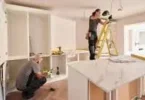
2. Update the Kitchen Without Over-Remodeling
The kitchen is one of the most visible and frequently used areas of a home. An outdated or poorly maintained kitchen can make the entire property feel older.
However, a complete kitchen replacement is not always necessary.
Affordable Kitchen Improvements
Depending on the condition of your kitchen, you could:
- Repaint cabinets
- Replace cabinet hardware
- Upgrade outdated lighting
- Install a modern backsplash
- Replace damaged countertops
- Update an old faucet
- Repair cabinet doors and drawers
- Improve storage
- Replace visibly outdated appliances when appropriate
A minor kitchen refresh can sometimes provide a better financial strategy than completely redesigning the room.
Avoid Over-Improving the Kitchen
Before choosing expensive countertops, custom cabinets, or high-end appliances, compare your planned renovation with other homes in the area.
If most properties in the neighborhood have moderately updated kitchens, an extremely expensive luxury kitchen may not provide the same financial benefit as it would in a high-end market.
3. Refresh the Bathrooms
Bathrooms are another important part of a home’s overall condition.
You do not necessarily need to completely remodel every bathroom. Small improvements can make an older bathroom look cleaner and more modern.
Consider:
- Replacing outdated fixtures
- Updating the vanity
- Installing modern lighting
- Replacing damaged caulk
- Regrouting worn tile
- Updating the mirror
- Improving ventilation
- Replacing a damaged toilet
- Repairing leaks
- Applying fresh paint
The most important factor is cleanliness and functionality. A bathroom with water damage, poor ventilation, leaks, or deteriorating materials can raise concerns during a buyer’s inspection.
4. Keep the Roof in Good Condition
A roof is one of the home’s most important structural components.
A visibly damaged roof can negatively affect buyer confidence and may become an issue during a home inspection. If your roof is approaching the end of its useful life, addressing problems before listing the property may make sense.
Homeowners should look for signs such as:
- Missing or damaged shingles
- Water stains
- Roof leaks
- Damaged flashing
- Excessive moss or debris where applicable
- Sagging areas
- Damaged gutters or downspouts
You should have significant roofing problems evaluated by a qualified professional rather than assuming that a replacement is necessary.
The goal is to maintain the property and prevent small problems from becoming expensive ones.
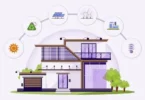
5. Make the Home More Energy Efficient
Energy efficiency can make a home more comfortable and potentially reduce operating costs. It can also be an attractive feature for buyers who pay attention to household energy use.
Possible improvements include:
- Sealing air leaks
- Adding appropriate insulation
- Improving attic insulation where needed
- Installing energy-efficient windows when replacement is justified
- Updating inefficient lighting
- Maintaining or replacing an aging HVAC system when necessary
- Installing a programmable or smart thermostat
- Improving ductwork where appropriate
Not every energy upgrade makes financial sense for every property. Consider the home’s age, climate, existing equipment, expected savings, and local buyer preferences before making a major investment.If you are wondering How to Increase Home Value, start by improving your home’s overall appearance and cleanliness.
Another effective way to learn How to Increase Home Value is to upgrade the kitchen, bathrooms, and other important areas.
Regular maintenance is also important when considering How to Increase Home Value because well-maintained homes attract more buyers.
Adding energy-efficient features can help homeowners understand How to Increase Home Value while also reducing monthly expenses.
Finally, fresh paint, better lighting, landscaping, and small repairs are simple ways to How to Increase Home Value and make the property more attractive.
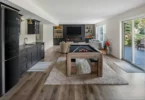
6. Add Usable Living Space
Increasing functional living space can improve a home’s appeal, but there is an important distinction between usable space and simply adding square footage.
A finished basement, attic, garage conversion, or additional room may be valuable when properly designed and permitted.
Potential improvements include:
- Finishing an unfinished basement
- Creating a functional home office
- Improving an attic space
- Converting an appropriate garage area
- Adding a bedroom where legally permitted
- Creating a flexible guest or recreation room
Before starting a major conversion, check local building requirements, permits, zoning rules, and safety standards.
A poorly executed conversion can create problems instead of increasing value.
7. Create a Functional Home Office
Remote and hybrid work have changed how some buyers evaluate homes. A dedicated office or flexible workspace can be useful, particularly when it provides privacy and adequate lighting.
You do not necessarily need to construct a new room.
A practical home office can be created by improving:
- An unused bedroom
- A quiet corner
- A loft
- A finished basement area
- An existing flex room
Focus on functionality rather than expensive décor. Good lighting, sufficient electrical outlets, storage, ventilation, and a quiet environment can make the space more useful.
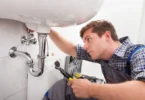
8. Repair Deferred Maintenance
One of the most practical answers to “how to increase home value” is simple: take care of problems that have been ignored.
Deferred maintenance can make buyers worry about hidden costs.
Create a maintenance checklist covering:
- Plumbing leaks
- Electrical problems
- Broken doors and windows
- Damaged flooring
- Peeling paint
- Water stains
- Cracked caulking
- Damaged gutters
- Poor drainage
- Broken fixtures
- HVAC maintenance
- Pest-related damage
Fixing these issues may not feel as exciting as remodeling a kitchen, but maintaining the home’s condition can protect its value and make the property easier to sell.
9. Improve Interior Paint and Finishes
Fresh paint can make rooms look cleaner, brighter, and better maintained.
For homeowners preparing to sell, neutral and broadly appealing colors are generally easier for buyers to work with than highly personalized colors.
If you are wondering How to Increase Home Value, start by improving your home’s overall appearance and cleanliness.
Another effective way to learn How to Increase Home Value is to upgrade the kitchen, bathrooms, and other important areas.
Regular maintenance is also important when considering How to Increase Home Value because well-maintained homes attract more buyers.
Adding energy-efficient features can help homeowners understand How to Increase Home Value while also reducing monthly expenses.
Finally, fresh paint, better lighting, landscaping, and small repairs are simple ways to How to Increase Home Value and make the property more attractive.
Pay particular attention to:
- Entryways
- Living rooms
- Kitchens
- Hallways
- Bedrooms
- Areas with visible scuffs or damage
You do not have to repaint the entire house automatically. Prioritize rooms where the existing finish is noticeably worn or outdated.
10. Improve Storage and Organization
Storage is a practical feature that can influence how buyers perceive a home.
You can improve storage without adding a new room by making existing areas more functional.
Examples include:
- Installing closet organizers
- Adding pantry shelving
- Improving garage storage
- Installing bathroom storage
- Using built-in shelving
- Creating better entryway storage
During a home showing, clutter can make rooms appear smaller. Decluttering and organizing can therefore improve presentation even without construction.
11. Upgrade Lighting
Good lighting can change how a home looks and feels.
A dark room may appear smaller or less inviting, while appropriate lighting can highlight useful features.
Consider:
- Replacing outdated light fixtures
- Adding task lighting
- Improving kitchen lighting
- Using brighter fixtures where appropriate
- Adding exterior lighting
- Replacing damaged or outdated switches and fixtures
Whenever electrical work is required, use a qualified professional and follow applicable local requirements.
12. Improve Landscaping
Landscaping is another practical way to improve exterior presentation.
A well-maintained yard does not have to be expensive. Focus on basic maintenance first.
Landscaping Priorities
Start with:
- Healthy and maintained grass or appropriate ground cover
- Trimmed shrubs and trees
- Clean walkways
- Defined garden beds
- Proper drainage
- A tidy front entrance
- Outdoor areas that are easy to maintain
Avoid creating a landscape that requires unusually high maintenance unless it fits buyer expectations in your local market.
13. Make the Home More Comfortable
Home value is not only about appearance. Comfort and functionality matter too.
Improvements that can contribute to a better living experience include:If you are wondering How to Increase Home Value, start by improving your home’s overall appearance and cleanliness.
Another effective way to learn How to Increase Home Value is to upgrade the kitchen, bathrooms, and other important areas.
Regular maintenance is also important when considering
How to Increase Home Value because well-maintained homes attract more buyers.
Adding energy-efficient features can help homeowners understand How to Increase Home Value while also reducing monthly expenses.
Finally, fresh paint, better lighting, landscaping, and small repairs are simple ways to How to Increase Home Value and make the property more attractive.
- Better temperature control
- Improved insulation
- Reduced drafts
- Good ventilation
- Functional windows
- Quiet bedrooms
- Adequate storage
- Comfortable outdoor areas
A home that feels comfortable and well maintained can make a stronger impression than one filled with expensive but unnecessary decorative upgrades.
14. Improve Outdoor Living Areas
Outdoor living spaces can make a property more functional, especially in regions where residents regularly use their yards, patios, decks, or balconies.
Depending on the property, consider:
- Cleaning and repairing a deck
- Improving a patio
- Adding appropriate outdoor lighting
- Creating a simple seating area
- Maintaining landscaping around the space
- Repairing damaged fencing
The improvement should match the home’s location and typical buyer expectations.
15. Keep Your Home’s Systems Properly Maintained
Major systems can influence a buyer’s perception of risk.
These may include:
- HVAC
- Plumbing
- Electrical
- Water heater
- Roof
- Drainage
- Windows
- Foundation-related components
You do not always need to replace an older system simply because it is not new. If it is functioning properly and has been maintained, replacement may not be the best use of your budget.
If you are wondering How to Increase Home Value, start by improving your home’s overall appearance and cleanliness.
Another effective way to learn How to Increase Home Value is to upgrade the kitchen, bathrooms, and other important areas.
Regular maintenance is also important when considering How to Increase Home Value because well-maintained homes attract more buyers.
Adding energy-efficient features can help homeowners understand How to Increase Home Value while also reducing monthly expenses.
Finally, fresh paint, better lighting, landscaping, and small repairs are simple ways to How to Increase Home Value and make the property more attractive.
However, serious defects should not be ignored.
Which Home Improvements Should You Avoid?
Not every renovation increases home value.
Some projects can cost more than they contribute to the property’s market appeal, particularly when they are highly personalized or excessive for the neighborhood.
Be cautious about:
- Extremely expensive custom renovations
- Highly personalized rooms
- Unusual architectural changes
- Luxury features that nearby homes do not have
- Major renovations without professional planning
- Unpermitted additions
- Improvements that reduce practical living space
Before investing, compare your property with recently sold homes in your area.
How to Increase Home Value Before Selling
If your goal is to sell soon, prioritize improvements that affect first impressions, condition, and buyer confidence.
A practical pre-sale strategy is:
Step 1: Inspect the Property
Walk through the entire home and identify visible problems.
Step 2: Prioritize Repairs
Address safety issues, leaks, water damage, broken fixtures, and obvious maintenance problems first.
Step 3: Improve Curb Appeal
Clean the exterior, maintain landscaping, and make the entrance welcoming.
Step 4: Refresh High-Impact Rooms
Focus on kitchens, bathrooms, living areas, and bedrooms rather than renovating everything.
Step 5: Declutter
Remove unnecessary furniture and personal items so buyers can better understand the available space.
Step 6: Improve Presentation
Clean windows, floors, appliances, fixtures, and other visible surfaces.
Step 7: Research Your Local Market
Look at comparable properties and understand what buyers in your area expect.
Step 8: Avoid Unnecessary Spending
Do not renovate simply because something is not your personal style. Ask whether the improvement solves a problem or improves buyer appeal.
How Much Should You Spend to Increase Home Value?
There is no universal dollar amount that every homeowner should spend.
Your budget should depend on the home’s current value, neighborhood, condition, timeline, and expected return.
A useful principle is to avoid over-improving the property.
For example, if similar homes in your neighborhood have modest kitchens, spending heavily on a luxury kitchen may not produce the same return as repairing major defects, improving curb appeal, or making a sensible kitchen refresh.
For expensive projects, consider obtaining estimates from qualified contractors and discussing the property’s market position with a local real estate professional.
Common Mistakes Homeowners Make
Renovating Without Checking the Local Market
A renovation that works well in one market may not be equally valuable somewhere else.
Focusing Only on Appearance
Beautiful finishes cannot compensate for major problems such as leaks, structural concerns, or failing systems.
Ignoring Maintenance
Small maintenance issues can become expensive problems if they are allowed to continue.
Over-Personalizing the Property
Highly specific design choices can limit buyer appeal.
Forgetting About Permits
Unpermitted work can create complications during a sale. Check local requirements before starting construction or major alterations.
Assuming Every Renovation Adds Equal Value
The cost of an improvement and the value it adds are not necessarily the same.
GmailFor better professional communication, learn these email etiquette rules for professionals and use practical email productivity tips. You can also improve your workflow with Gmail.
Frequently Asked Questions
What is the fastest way to increase home value?
The fastest improvements are usually those that address visible maintenance problems and improve presentation. Cleaning, decluttering, improving curb appeal, repairing obvious defects, refreshing paint, and updating worn fixtures can make a property more attractive without requiring a major renovation.
Does a kitchen remodel increase home value?
A kitchen update can improve buyer appeal, but the financial result depends on the home’s market, renovation quality, and project cost. A practical refresh may be more appropriate than an expensive luxury remodel, particularly when comparable homes in the area have moderately updated kitchens.
If you are wondering How to Increase Home Value, start by improving your home’s overall appearance and cleanliness.
Another effective way to learn How to Increase Home Value is to upgrade the kitchen, bathrooms, and other important areas.
Regular maintenance is also important when considering How to Increase Home Value because well-maintained homes attract more buyers.
Adding energy-efficient features can help homeowners understand How to Increase Home Value while also reducing monthly expenses.
Finally, fresh paint, better lighting, landscaping, and small repairs are simple ways to How to Increase Home Value and make the property more attractive.
Does painting a house increase its value?
Fresh paint can improve the appearance and perceived condition of a home. While paint does not automatically add a specific amount to market value, a clean, well-maintained interior and exterior can make a property more appealing to buyers and improve its presentation during showings.
Does landscaping increase home value?
Well-maintained landscaping can improve curb appeal and make a property more inviting. Simple improvements such as trimming vegetation, maintaining the lawn, cleaning walkways, and improving the entrance can often provide a better practical benefit than installing an expensive landscape design.
Should I renovate before selling my house?
Not necessarily. Before renovating, compare the home’s condition with similar properties that recently sold in your area. Focus first on repairs, cleanliness, curb appeal, and improvements that address obvious weaknesses. A local real estate professional can also help identify upgrades that buyers in your market are likely to value.
Conclusion
How to increase home value is ultimately about making smart, market-aware decisions rather than spending as much as possible.Start with the fundamentals: maintain the roof and major systems, repair visible problems, improve curb appeal, refresh kitchens and bathrooms where appropriate, increase energy efficiency, improve storageHow to Increase Home Value, and make the home clean and functional.
If you are preparing to sell, avoid unnecessary renovations and focus on improvements that address buyer concerns and strengthen the property’s overall presentation.