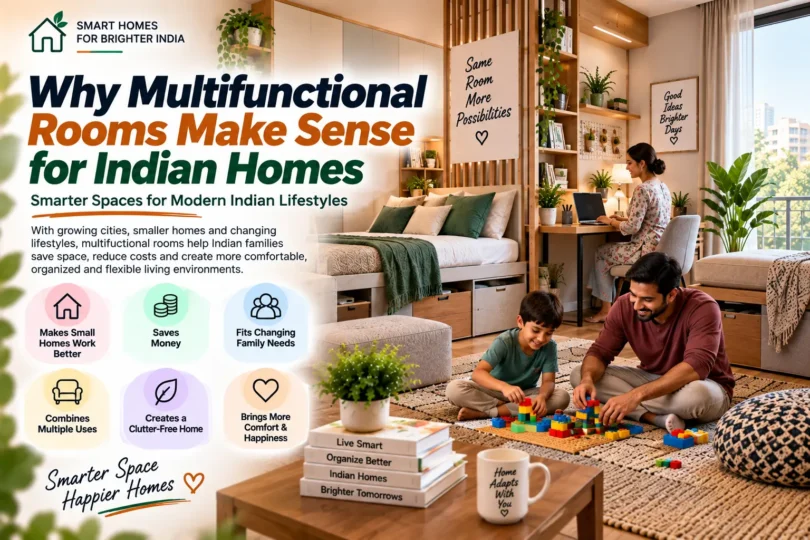

Comfortable home ideas are not only about adding soft cushions, expensive furniture, or decorative accessories. A truly comfortable home feels relaxing, works well for everyday routines, stays reasonably organized, and makes each room pleasant to use.
For homes in India, comfort can also depend on practical factors such as ventilation, natural light, heat management, easy-to-clean surfaces, flexible furniture, and efficient storage. Whether you live in a compact apartment, an independent house, or a rented flat, thoughtful changes can make a noticeable difference.
This guide covers practical ways to improve your living room, bedroom, kitchen, lighting, storage, furniture arrangement, colours, and indoor environment without making your home unnecessarily complicated.
What Makes a Home Comfortable?
A comfortable home is a space that supports everyday activities while helping its occupants feel relaxed and at ease. Good comfort usually comes from a combination of functional layouts, suitable furniture, pleasant lighting, ventilation, manageable clutter, and personal touches.
Comfort is also personal. A minimalist home may feel peaceful to one person, while another may prefer layered fabrics, family photographs, plants, books, and warm decorative details.
Instead of copying a particular interior style, focus on how you actually use your rooms. Furniture should be easy to move around, frequently used items should be accessible, and each space should have a clear purpose.
Comfort Should Combine Function and Appearance

An attractive room can still feel uncomfortable if a sofa blocks movement, a bedroom has poor ventilation, or a kitchen has insufficient storage.
When planning improvements, consider three questions:
- Is the room easy to use?
- Does it support the activities that happen there?
- Does the space feel pleasant without becoming cluttered?
The most useful comfortable home ideas usually solve practical problems while improving the overall atmosphere.
Start With a Clean and Clutter-Free Space
Reducing unnecessary clutter is one of the simplest ways to make a home feel calmer and easier to use. You do not need an almost-empty home; you simply need sensible places for the belongings you regularly use.
Start with one room instead of trying to organize the entire house at once. Remove broken, unused, duplicate, or unwanted items before buying new organizers.
Create Practical Storage Zones
Storage works best when it matches your daily habits. Keep frequently used objects close to where you actually need them.
Useful storage options include:
- Storage beds for extra bedding and seasonal items
- Baskets for toys, magazines, chargers, and small accessories
- Wall-mounted shelves in compact rooms
- Drawer organizers for kitchens and wardrobes
- Shoe cabinets near the entrance
- Closed cabinets for visually busy household supplies
Avoid filling every empty corner with storage furniture. Too many cabinets and shelves can make a small room feel crowded rather than comfortable.
Choose Comfortable Furniture for Everyday Living
Furniture should fit both your body and your available space. Oversized pieces may look luxurious in a showroom but can restrict movement in a smaller Indian apartment.
Measure the room before purchasing major furniture. Consider door openings, windows, walking paths, electrical outlets, and the space required to open cupboards or drawers.
Prioritize Furniture You Use Most
Spend more attention on furniture that supports long periods of daily use. Your sofa, bed, dining chairs, and work chair have a greater impact on comfort than purely decorative pieces.
For a practical home, consider:
- A sofa with supportive seating
- A suitable mattress and supportive pillows
- Dining chairs that remain comfortable during longer meals
- A proper desk and chair for regular study or work
- Side tables within convenient reach
- Multipurpose furniture for smaller rooms
When space is limited, furniture with built-in storage or more than one function can be particularly useful.
Improve Natural Light and Ventilation
Natural light and fresh-air circulation can make rooms feel more open and pleasant. Keep windows reasonably unobstructed during the day where privacy and weather conditions allow.
Light curtains can provide privacy while still allowing daylight into a room. Mirrors can also help distribute available light, although their placement should be considered carefully to avoid unwanted glare.
Encourage Better Airflow
Ventilation is particularly important in kitchens, bathrooms, and rooms that become warm or humid.
Depending on your home, useful measures may include opening opposite windows when outdoor conditions are suitable, using exhaust fans in kitchens and bathrooms, keeping ventilation openings clear, and using ceiling or portable fans for air movement.
During periods of high outdoor pollution, dust, extreme heat, or heavy rain, opening windows may not always be the best option. Adjust ventilation according to local conditions.
Use Layered Lighting for a Relaxing Atmosphere
One bright ceiling light is rarely ideal for every activity. A comfortable room usually benefits from multiple light sources that can be used according to the time of day and task.
General lighting illuminates the room, task lighting supports specific activities, and accent lighting can create a softer atmosphere.
Match Lighting to the Room
For example, a living room might combine a ceiling fixture with a floor or table lamp. A study area needs focused task lighting, while a kitchen requires clear illumination around food-preparation surfaces.
Bedrooms often benefit from softer bedside lighting for evening use.
Where possible, arrange switches and lamps so that commonly used lights are convenient to reach. Comfort includes usability, not simply appearance.
Create a Comfortable Living Room
The living room should support conversation, relaxation, entertainment, and the everyday needs of your household. Start by arranging furniture around how the room is actually used.
Leave comfortable walking paths instead of pushing too much furniture into the available floor area.
Add Softness Without Overdecorating
Cushions, curtains, rugs, and throws can make a living room feel warmer and more inviting. However, too many textile layers can increase cleaning and maintenance, particularly in dusty environments.
Choose materials that fit your household. Homes with young children or pets may benefit from washable cushion covers, durable fabrics, and easy-to-maintain rugs.
A few carefully selected elements are often more practical than numerous decorative accessories.
Make the Bedroom More Restful
A comfortable bedroom should primarily support rest and sleep. Keep the arrangement simple, reduce unnecessary visual clutter, and make sure essential items are conveniently accessible.
The bed should not make movement around the room difficult. If possible, maintain enough space to comfortably access wardrobes, drawers, and doors.
Keep the Bedroom Calm and Functional
Useful bedroom improvements include bedside lighting, breathable bedding suitable for the season, organized wardrobes, curtains or blinds for light control, and accessible storage for everyday belongings.
In warmer parts of India, selecting breathable fabrics and maintaining airflow can make the bedroom more pleasant. During cooler months, additional bedding can be introduced as required.
Try to avoid turning every bedroom surface into storage. A clear bedside table or dresser can immediately make the room feel more orderly.
Make the Kitchen Easier to Use
A comfortable kitchen is one where everyday tasks require less unnecessary movement. Frequently used utensils, ingredients, cookware, and appliances should be stored where they are easy to reach.
Items used rarely can be placed on higher shelves or in less accessible cabinets.
Organize Around Daily Tasks
Think of your kitchen as several working zones: preparation, cooking, washing, and storage.
Keep knives and chopping tools near the preparation area, frequently used cookware near the cooking zone, and cleaning supplies safely organized around the washing area where appropriate.
Vertical shelves, cabinet organizers, hooks, and stackable containers can improve storage in compact kitchens. However, keep counters reasonably clear so there is enough usable preparation space.
Choose Colours That Make Rooms Feel Pleasant
Colour affects how a room looks and can influence whether it feels bright, busy, calm, or enclosed. There is no single colour palette that makes every home comfortable.
Light neutral shades can make compact spaces appear more open, while earthy and warmer shades can add visual warmth. Deeper colours can work well as accents or in rooms with sufficient light.
Build a Balanced Colour Palette
A simple approach is to select one main wall colour, one or two supporting shades, and a limited number of accents.
Natural wood tones, beige, cream, soft green, muted terracotta, grey, and warm white can be combined in many different ways. The right choice depends on available light, furniture, flooring, and personal preference.
Test paint samples in the actual room before committing because colours can appear different under daylight and artificial lighting.
Add Natural Elements Indoors
Natural materials and greenery can make interiors feel more welcoming. Wood, cane, cotton, jute, stone, and similar textures can add warmth without requiring elaborate decoration.
Indoor plants can also provide colour and visual interest, but plants should be selected according to the light and maintenance conditions available in your home.
If a room receives very little natural light, choose plants suited to lower-light conditions rather than buying a plant only for appearance.
For households with pets or young children, check whether a plant is appropriate for the home before placing it within reach.
Create Small Comfort Zones
You do not need an entire room for every activity. A small corner can become a useful reading area, study station, prayer or meditation space, hobby corner, or tea spot.
For example, an unused bedroom corner may only need a comfortable chair, a small table, and suitable lighting to become functional.
Creating defined zones is especially helpful in apartments where one room serves multiple purposes. A rug, shelf, lighting fixture, or furniture arrangement can visually separate activities without building walls.
Use Textiles According to the Season
India experiences very different climates across regions, so home textiles should suit local weather rather than follow a single decorating formula.
Lightweight cotton or linen-blend fabrics can feel practical during warmer periods. Cooler weather may call for thicker blankets, rugs, or layered bedding.
Curtains also affect comfort. Lightweight curtains can preserve brightness, while lined or thicker curtains may provide better light control and privacy where needed.
Choose washable materials when possible, especially for items that collect dust quickly.
Reduce Noise Where Possible
Noise can make an otherwise attractive home less relaxing. Although major outside noise may require structural solutions, smaller interior changes can sometimes reduce echo and make rooms feel quieter.
Curtains, upholstered furniture, rugs, fabric furnishings, and filled bookshelves can help soften sound within a room.
If you work or study at home, position your desk away from the busiest household areas when possible. A door, bookcase, or strategic furniture arrangement can also help create separation from distractions.
Add Personal Details Without Creating Clutter
A comfortable home should feel like it belongs to the people living there. Family photographs, artwork, books, travel keepsakes, handmade pieces, and meaningful objects can create personality.
The key is thoughtful placement.
Instead of spreading small decorations across every surface, group selected items together. A dedicated photo wall, bookshelf, or display shelf can provide character while keeping other surfaces clear.
Rotate decorative pieces occasionally rather than displaying everything at once.
Comfortable Home Ideas for Small Indian Homes
Small homes can be highly comfortable when every area has a clear purpose. The goal is not to fit as much furniture as possible into the room but to preserve useful open space.
Consider furniture that performs multiple functions, such as a storage ottoman, sofa bed, folding dining table, nesting tables, or bed with drawers.
Use wall space where appropriate for shelves and cabinets. At the same time, avoid covering every wall with storage because this can make the room visually heavy.
Light colours, simple window treatments, appropriate furniture scale, and organized surfaces can make compact interiors feel more spacious.
Budget-Friendly Ways to Make Your Home More Comfortable
Improving comfort does not always require major renovation. Start with changes that solve an actual problem rather than purchasing décor simply because it is fashionable.
You can:
- Rearrange existing furniture to improve movement.
- Declutter surfaces and cabinets.
- Replace worn cushion or pillow covers.
- Improve lighting with a useful task lamp.
- Organize frequently used household items.
- Add curtains suited to your privacy and light needs.
- Introduce one or two easy-care plants where conditions are suitable.
- Repair loose handles, noisy hinges, and other small annoyances.
These changes can improve everyday usability without requiring expensive furniture or structural work.
Common Mistakes to Avoid When Creating a Comfortable Home
One common mistake is focusing entirely on appearance. A room designed mainly for photographs may not work well for daily life.
Another mistake is buying furniture without measuring the available space. Even beautiful pieces can make a room uncomfortable when they block movement or overwhelm its proportions.
Also avoid excessive décor, inadequate lighting, inaccessible storage, and copying trends that do not suit your lifestyle.
The best comfortable home ideas should make your routines easier rather than create additional cleaning, maintenance, or storage problems.
Frequently Asked Questions
What are the easiest comfortable home ideas to try?
Start by decluttering, rearranging furniture for easier movement, improving lighting, and organizing frequently used items. Add comfortable textiles such as cushions or curtains only where they serve a purpose. These relatively simple changes can improve how a room functions without requiring a complete renovation or expensive new furniture.
How can I make my home comfortable on a low budget?
Use what you already own before buying anything new. Rearrange furniture, remove unnecessary clutter, clean and organize storage areas, repair minor problems, and improve lighting. Affordable additions such as washable cushion covers, practical baskets, simple curtains, or a small plant can then be introduced gradually where they genuinely improve the room.
How can I make a small Indian home feel more comfortable?
Choose furniture that suits the scale of the room and maintain clear walking paths. Multipurpose furniture, under-bed storage, wall shelves, and organized cabinets can save space. Use natural light where possible and avoid overcrowding walls and surfaces. A smaller number of functional pieces often creates a more comfortable environment than filling every available corner.
Which colours are best for a comfortable home?
There is no universal best colour, but warm whites, creams, beige, muted greens, earthy tones, and soft neutrals are versatile choices. Consider natural light, flooring, furniture, and room size before selecting paint. Testing a small sample on the wall is useful because the same colour can look different throughout the day.
How can I make my home feel cozy without adding clutter?
Focus on texture, lighting, and a few meaningful accessories rather than numerous decorations. Soft lighting, curtains, cushions, a suitable rug, natural materials, and selected photographs or artwork can add warmth. Keep frequently used surfaces relatively clear and group decorative items together instead of scattering them around the room.
Conclusion
The most effective comfortable home ideas focus on how a home feels and functions every day. Good lighting, sensible storage, appropriate furniture, fresh-air management, comfortable textiles, uncluttered layouts, and personal details can transform a space without requiring an expensive redesign.
Start with the room you use most. Identify one thing that currently makes it inconvenient—such as clutter, poor lighting, awkward furniture placement, or insufficient storage—and solve that problem first. Small, purposeful improvements made over time can create a home that feels more organized, welcoming, practical, and genuinely comfortable.