
Introduction
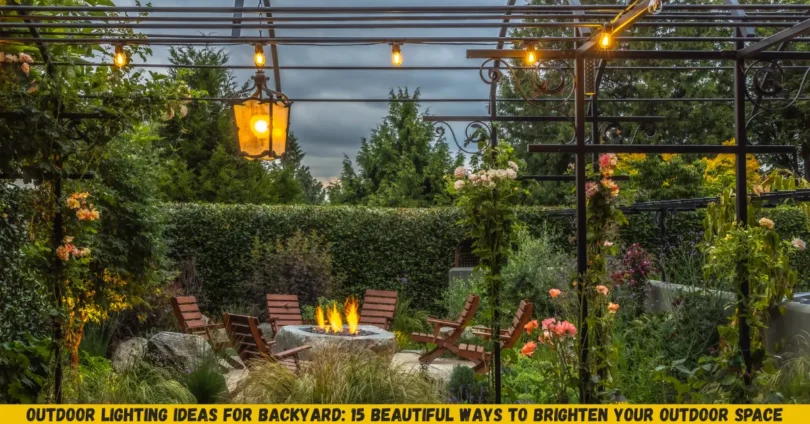
Outdoor lighting ideas for backyard spaces can make an ordinary yard feel more comfortable, attractive, and useful after sunset. The right combination of lights can highlight landscaping, define pathways, brighten seating areas, and create a welcoming atmosphere for family gatherings or outdoor entertaining.
The best backyard lighting plan does not necessarily require expensive fixtures or complicated installation. You can combine string lights, pathway lights, wall lights, spotlights, lanterns, and solar fixtures to create different layers of illumination.
This guide explores practical backyard lighting ideas for different styles, budgets, and outdoor spaces. You will also learn how to choose the right lighting, where to place it, common mistakes to avoid, and how to create a backyard that looks inviting without becoming overly bright.
Why Is Backyard Lighting Important?
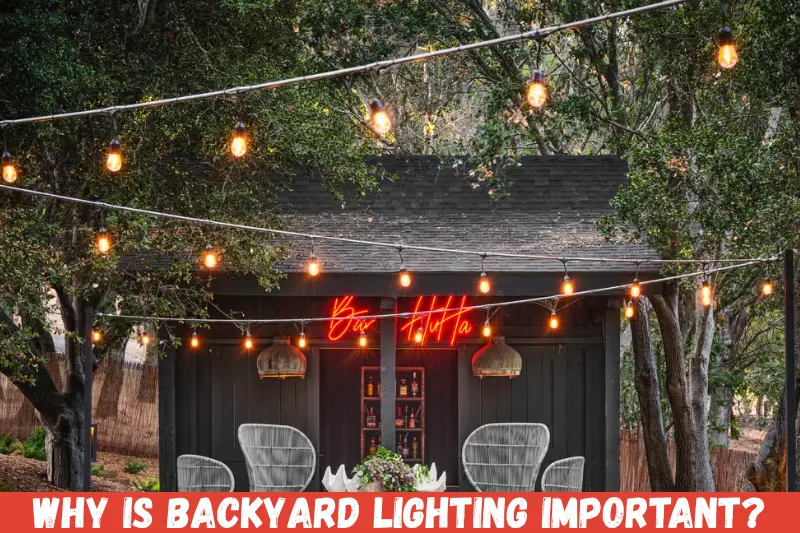
Backyard lighting improves both the appearance and functionality of an outdoor space. It allows you to continue using patios, decks, gardens, walkways, and entertaining areas after dark.
Good lighting can help you:
- Create a warm and inviting atmosphere
- Improve visibility around outdoor areas
- Highlight trees, plants, walls, and architectural features
- Make pathways easier to navigate
- Define outdoor seating and dining zones
- Extend the practical use of your backyard into the evening
- Add decorative character to your landscape
The key is balance. A backyard usually looks better when different types of lighting are layered rather than when one extremely bright light is used to illuminate everything.
15 Outdoor Lighting Ideas for Backyard
1. Hang String Lights Over a Patio
String lights are one of the easiest ways to transform a backyard seating area. Hang them above a patio, deck, pergola, or dining space to create a relaxed atmosphere.
You can attach them between posts, along a fence, or across a pergola. Warm-white bulbs generally create a softer and more comfortable appearance than very cool lighting.
Best for: patios, decks, pergolas, dining areas, and entertaining spaces.
2. Install Pathway Lights
Pathway lighting provides both decorative and practical value. Small fixtures can be placed along garden paths, walkways, steps, and entrances.
Instead of placing every light directly opposite another, consider slightly staggering fixtures along the path. This can produce a more natural appearance and reduce the feeling of a brightly illuminated corridor.
Tip: Keep pathway lights low enough to illuminate the walking surface without shining directly into people’s eyes.
3. Highlight Trees With Uplighting
Uplighting directs light upward from ground level toward a tree, large plant, wall, or architectural feature.
A strategically positioned spotlight can emphasize the texture of a tree trunk or create interesting shadows through branches and leaves.
This technique works particularly well with mature trees or distinctive landscape features that deserve attention after dark.
4. Add Downlighting From Trees or Structures
Downlighting creates the opposite effect. Instead of shining light upward, the fixture is positioned above the area being illuminated.
Lights can sometimes be mounted on suitable structures or trees to create a soft downward glow over paths, seating areas, or planting beds.
When installing lights in trees, use appropriate outdoor-rated equipment and avoid damaging the tree or creating unsafe wiring.
5. Use Solar Garden Lights
Solar lights are a convenient option for areas where running electrical wiring is difficult.
Small solar fixtures can be placed around flower beds, pathways, borders, and garden features. During the day, their panels collect sunlight, and the stored energy is used after dark.
Their performance can vary depending on sunlight exposure, weather, battery condition, and product quality.
Best for: garden borders, pathways, decorative areas, and locations without convenient electrical connections.
6. Illuminate a Backyard Fence
Fence lighting can give a backyard a finished appearance while providing subtle background illumination.
You can use small wall-mounted fixtures, decorative lanterns, downlights, or appropriately installed strip lighting along suitable structures.
Avoid making the entire fence extremely bright. A softer glow can define the boundary without overwhelming the rest of the landscape.
7. Add Lighting Around a Fire Pit
A fire pit naturally becomes a focal point, but surrounding lighting can make the area easier to use after dark.
Consider low-level lights around nearby paths or seating areas rather than placing bright fixtures directly beside the fire. This helps maintain the atmosphere created by the fire while improving visibility around the space.
Keep lighting equipment, cables, and fixtures appropriate for the heat and conditions around the fire pit.
8. Light Outdoor Steps
Steps can become difficult to see at night, making step lighting an important practical consideration.
Small lights can be integrated into walls, risers, railings, or nearby structures, depending on the design and local installation requirements.
The goal is to make each step clearly visible without creating harsh glare.
9. Install Deck or Patio Lighting
Deck and patio lighting can turn an outdoor living area into a comfortable evening space.
Consider combining:
- Recessed deck lights
- Wall lights
- Railing lights
- Step lights
- String lights
- Portable lanterns
Using several low-intensity sources often creates a more attractive result than relying on one powerful fixture.
10. Use Lanterns for a Cozy Look
Lanterns are an easy way to add decorative lighting without making permanent changes to your backyard.
Place lanterns on tables, around seating areas, near entrances, or along suitable garden features. Battery-powered LED lanterns can be especially convenient when you want flexibility.
Lanterns also work well when you want to change your backyard’s appearance for parties, dinners, or seasonal gatherings.
11. Highlight Garden Features
If your backyard contains sculptures, fountains, large planters, rock gardens, or distinctive plants, lighting can make those features visible at night.
A narrow-beam spotlight can emphasize a particular feature, while softer illumination can provide a broader wash of light.
Choose one or two focal points rather than lighting every object equally. This creates visual hierarchy and keeps the landscape from looking cluttered.
12. Add Wall-Washing Lights
Wall washing involves illuminating a wall or vertical surface with relatively broad, even light.
This technique can work particularly well on textured stone, brick, rendered walls, or other attractive outdoor surfaces.
The light reveals surface texture and can make a plain outdoor wall become part of the overall landscape design.
13. Try Color-Changing Smart Lights
Smart outdoor lighting can provide adjustable brightness, schedules, and, depending on the product, different colors.
For everyday use, a warm and comfortable setting may work well. For parties or special occasions, color-changing effects can create a different atmosphere.
If you choose smart lighting, check the fixture’s outdoor rating, connectivity requirements, weather resistance, and compatibility with your preferred control system.
14. Use Motion-Sensor Lighting
Motion-sensor lights can be useful around entrances, side yards, garages, storage areas, and other locations where lighting is needed only when someone is present.
They can also reduce the need to leave certain lights operating continuously.
For entertaining areas, however, constantly triggering bright lights may be distracting. Consider where motion activation makes practical sense before installing it.
15. Create a Layered Backyard Lighting Plan
One of the most effective outdoor lighting ideas for backyard spaces is to combine several lighting techniques rather than choosing just one.
A simple layered plan might include:
Ambient lighting: String lights or lanterns around the main seating area.
Path lighting: Low-level fixtures along walkways.
Accent lighting: Spotlights aimed at trees, plants, or architectural features.
Safety lighting: Appropriate illumination around steps and entrances.
This combination creates depth and allows different areas of the backyard to serve different purposes.
How Do You Choose the Right Backyard Lighting?
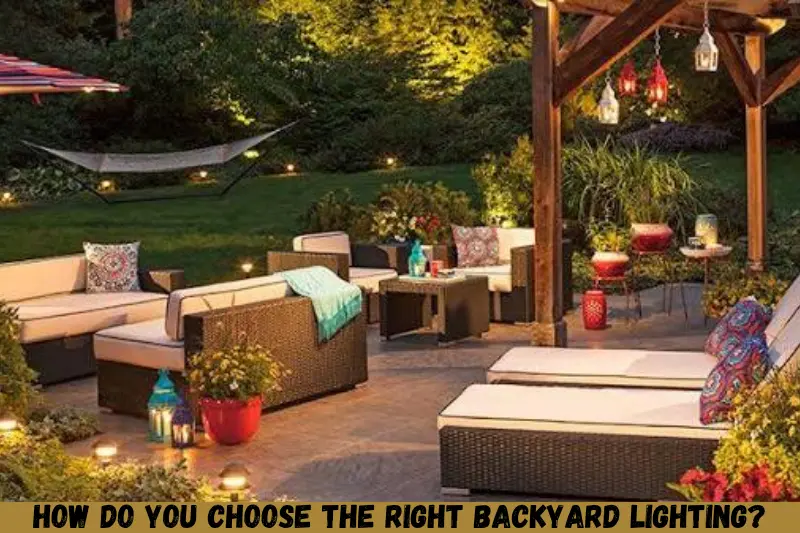
Start by considering how you actually use the space. A backyard used mainly for gardening needs a different lighting plan from one designed for outdoor dining and entertaining.
Ask yourself:
- Which areas need better visibility?
- Where do people walk after dark?
- Which landscape features should stand out?
- Where do people sit, eat, or socialize?
- Do you have access to electrical power?
- Would solar, battery, or wired lighting be most practical?
- Do you want permanent or flexible lighting?
- How much maintenance are you willing to perform?
Answering these questions before buying fixtures can prevent unnecessary spending and help create a more cohesive design.
What Color Temperature Is Best for a Backyard?
For many residential outdoor spaces, warmer light creates a comfortable and relaxed atmosphere. Cooler light can appear brighter and more functional but may feel less cozy in seating and entertaining areas.
The best choice depends on the purpose of the space and the surrounding environment.
For example:
- Warm lighting: patios, decks, dining areas, pergolas, and gardens
- Neutral lighting: functional areas where clear visibility is important
- Cooler lighting: selected task-oriented locations where a brighter appearance is desired
Avoid mixing many dramatically different light colors throughout a small backyard unless you intentionally want a varied decorative effect.
Solar vs. Wired Backyard Lighting
| Feature | Solar Lighting | Wired Lighting |
|---|---|---|
| Installation | Usually simpler | More involved |
| Electrical connection | Usually not required | Required |
| Operating cost | Uses stored solar energy | Uses electricity |
| Reliability | Depends on sunlight and battery | Generally consistent when properly installed |
| Placement | Flexible where sunlight is available | More flexible once wiring is installed |
| Maintenance | Battery and panel maintenance may be needed | Fixtures and electrical components require maintenance |
Neither option is automatically right for every backyard. Solar lights can be convenient for simple decorative projects, while wired systems may be preferable when consistent illumination and greater design control are important.
How to Install Backyard Lighting Step by Step
Step 1: Draw a Simple Backyard Layout
Mark your patio, deck, paths, trees, garden beds, steps, entrances, and other important features.
Step 2: Identify Dark or High-Traffic Areas
Focus first on places where visibility matters. Do not begin by purchasing decorative lights simply because they look attractive.
Step 3: Choose Your Lighting Types
Select fixtures according to their purpose. For example, use pathway lights for paths, accent lights for trees, and suitable fixtures for seating areas.
Step 4: Plan the Light Direction
Think about where the light will fall. Avoid positioning fixtures where they shine directly into people’s eyes or neighboring properties.
Step 5: Check Outdoor Ratings
Outdoor fixtures need to be designed for outdoor conditions. Follow the manufacturer’s installation requirements and applicable local electrical rules.
Step 6: Test the Layout
If possible, test light placement before permanently installing fixtures. This makes it easier to identify glare, dark spots, or areas that receive too much illumination.
Step 7: Add Layers Gradually
Start with essential lighting and then add decorative or accent fixtures. This approach helps prevent over-lighting and unnecessary expense.
Common Backyard Lighting Mistakes to Avoid
Using One Extremely Bright Light
A single powerful light may eliminate dark areas, but it can also create harsh shadows and glare.
Installing Too Many Lights
More fixtures do not necessarily produce a better result. Too much illumination can make a backyard feel less relaxing.
Ignoring Glare
Always consider the viewing angle. A fixture that looks attractive from one position may shine directly into someone’s eyes from another.
Forgetting About Maintenance
Outdoor fixtures are exposed to weather, dirt, moisture, insects, and temperature changes. Choose suitable products and plan for occasional cleaning and inspection.
Choosing Fixtures Only for Appearance
A beautiful fixture still needs to perform its intended function. Consider brightness, beam angle, durability, installation requirements, and maintenance.
Poor Cable Management
Loose cables can create trip hazards and may become damaged. Follow appropriate installation practices and manufacturer instructions.
Lighting Every Feature Equally
A backyard can look flat when everything receives the same level of illumination. Instead, choose focal points and allow some areas to remain naturally darker.
How Can You Make Backyard Lighting More Energy Efficient?
Energy efficiency starts with choosing lighting appropriate for the job rather than simply using the brightest available fixture.
LED lighting is commonly used for outdoor applications because LEDs can provide illumination with relatively low energy consumption and long service life compared with many older lighting technologies.
You can also consider:
- Timers and schedules
- Motion sensors where appropriate
- Dimmers compatible with the lighting system
- Solar fixtures for suitable locations
- Lower-output fixtures where bright illumination is unnecessary
- Turning decorative lighting off when it is not needed
The goal is not simply to use less electricity. It is to provide the right amount of useful light in the right locations.
How Do You Create a Cozy Backyard Lighting Design?
For a cozy backyard, focus on low-level, warm, layered lighting rather than intense overhead illumination.
A simple combination could include warm string lights over a seating area, pathway lights along the main route, a few lanterns near furniture, and subtle accent lighting for trees or garden features.
Keep the brightest illumination where visibility is actually needed. Allowing some parts of the garden to remain darker can create contrast and make illuminated areas stand out.
Outdoor Lighting Ideas for Small Backyards
Small yards do not need dozens of fixtures. A few carefully positioned lights can have a significant visual effect.
Try:
- String lights along a fence or pergola
- Small wall lights around a patio
- Compact pathway fixtures
- One or two tree uplights
- Portable lanterns
- Solar garden lights
- Recessed deck or step lighting
For a small space, avoid oversized fixtures that visually dominate the yard.
Outdoor Lighting Ideas for Large Backyards
Large backyards benefit from zoning. Instead of treating the entire property as one space, divide it into areas such as seating, dining, gardening, pathways, entertainment, and relaxation.
Each zone can have its own lighting purpose.
For example, a large backyard might use pathway lighting for circulation, accent lighting around mature trees, stronger task lighting near an outdoor kitchen, and softer lighting around a lounge area.
How Much Backyard Lighting Do You Need?
There is no universal number of fixtures that works for every backyard. The amount depends on the yard’s size, layout, existing structures, lighting purpose, and the brightness of individual fixtures.
A better approach is to determine what each area needs rather than selecting a fixed number of lights.
Start with essential areas such as:
- Steps
- Entrances
- Main walkways
- Seating areas
- Outdoor cooking areas
Then add accent lighting where it improves the appearance of the landscape.
Frequently Asked Questions
What is the best lighting for a backyard?
The best backyard lighting depends on how you use the space. A combination of pathway lights, warm string lights, accent lighting, and appropriate safety lighting can provide both function and atmosphere. Rather than relying on one fixture type, use different layers of illumination for walking areas, seating zones, and landscape features.
How can I make my backyard look good at night?
Use several low-level lighting sources instead of one very bright fixture. String lights can define seating areas, pathway lights can guide movement, and spotlights can highlight trees or architectural features. Keep some areas darker to create contrast and avoid excessive brightness that can make the space feel harsh.
Are solar lights good for backyard use?
Solar lights can be useful for pathways, garden borders, and decorative areas where electrical wiring is inconvenient. Their performance depends on factors such as sunlight exposure, battery condition, weather, and product quality. For locations requiring consistent illumination, a properly installed wired system may provide more predictable performance.
What color light is best for outdoor spaces?
Warm light is commonly chosen for patios, decks, gardens, and entertaining areas because it can create a comfortable atmosphere. More neutral or cooler lighting may be suitable for areas where visibility and task performance are the priority. The best choice depends on the purpose of the space and the appearance you want.
How do I prevent backyard lights from being too bright?
Use lower-output fixtures, indirect lighting, dimming where compatible, and carefully controlled beam angles. Position fixtures so they illuminate the intended surface rather than shining directly toward people. You can also use layered lighting so that each fixture performs a specific job instead of trying to illuminate the entire backyard with a single bright source.
Conclusion
Outdoor lighting ideas for backyard spaces can range from simple string lights and lanterns to carefully planned landscape lighting systems. The most effective approach is to think about purpose, placement, brightness, safety, and atmosphere before choosing fixtures.
Start with the areas that need useful illumination, such as pathways, steps, entrances, and seating zones. Then add accent lighting to trees, garden features, fences, and architectural details. Solar lights can provide flexibility, while wired systems can offer consistent illumination and greater control.
Your practical next step is to walk around your backyard after sunset and identify the three areas that need the most improvement. Mark those locations on a simple sketch, choose the appropriate type of lighting for each, and build your lighting plan gradually.