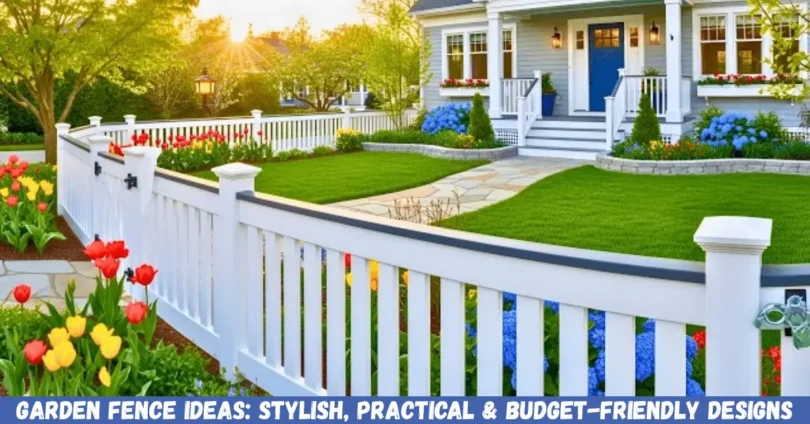

Garden Fence Ideas: Stylish, Practical & Budget-Friendly Designs
Garden fence ideas can completely change the appearance, privacy, and functionality of an outdoor space. The right fence can define garden boundaries, protect plants, create privacy, improve security, and add a decorative feature to your yard.
Whether you have a small urban garden, a spacious backyard, a cottage-style landscape, or a modern outdoor area, there are many fencing options to consider. This guide explores practical and attractive garden fence ideas, including wooden, metal, natural, modern, low-cost, and privacy-focused designs.
The best choice depends on your garden size, budget, maintenance preferences, desired privacy, local weather, and overall landscape style.
What Makes a Good Garden Fence?
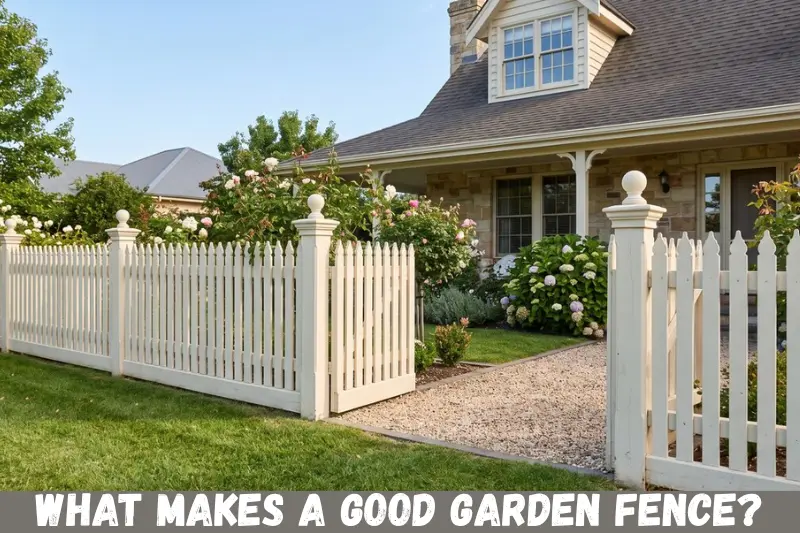
A good garden fence should do more than simply mark the edge of your property. It should suit the garden, provide the level of privacy or protection you need, and remain practical to maintain.
Before choosing a design, consider:
- Purpose: Privacy, security, decoration, boundary marking, or plant protection?
- Material: Wood, metal, vinyl, composite, bamboo, or another option?
- Height: Do you need a low decorative border or a taller privacy fence?
- Maintenance: How much time do you want to spend painting, staining, cleaning, or repairing it?
- Style: Should the fence complement your house and garden design?
- Budget: Consider both installation costs and long-term maintenance.
- Climate: Rain, humidity, strong sunlight, wind, and temperature changes can affect materials differently.
A fence that looks beautiful but requires more maintenance than you want may not be the right long-term choice.
1. Classic Wooden Garden Fence
Wood remains one of the most versatile choices for garden fencing. It works with traditional, rustic, cottage, farmhouse, and contemporary landscapes.
A simple vertical wooden fence can create a clean boundary without overpowering the garden.
You can use:
- Vertical timber boards
- Horizontal boards
- Picket-style panels
- Slatted wood
- Decorative lattice
- Reclaimed timber
Wood can also be painted or stained to match your home’s exterior.
Why Choose a Wooden Fence?
Wood offers plenty of design flexibility. You can change its appearance relatively easily with paint, stain, decorative posts, or climbing plants.
However, untreated or poorly maintained wood can weather over time. Regular inspection and appropriate protection can help extend its useful life.
2. Modern Horizontal Slat Fence
Horizontal slat fencing is a popular option for contemporary gardens.
Instead of traditional vertical boards, timber slats are installed horizontally with consistent gaps between them. The result is a clean architectural appearance that works particularly well with modern landscaping.
A horizontal slat fence can be:
- Fully private with minimal gaps
- Semi-private with wider spacing
- Combined with metal posts
- Paired with raised garden beds
- Used as a backdrop for plants
Dark-stained timber can create a dramatic appearance, while natural wood provides a warmer look.
Best for
This style works particularly well when you want your fence to look like part of the overall garden design rather than simply a boundary.
3. White Picket Fence for a Traditional Garden
Few garden fence ideas are as recognizable as the classic white picket fence.
A picket fence creates an open, welcoming appearance while clearly defining a garden boundary. It works especially well around front gardens, flower beds, pathways, and cottage-style landscapes.
The spacing between pickets means it provides little privacy, so it is better suited to decorative purposes than secluded outdoor areas.
Add Plants for Extra Character
You can soften a picket fence by planting flowers, shrubs, or climbing plants along the boundary.
The combination of greenery and a simple fence can create a charming garden entrance without requiring an elaborate structure.
4. Natural Bamboo Garden Fence
Bamboo can create a warm, natural appearance and is often used when homeowners want a garden to feel more relaxed and organic.
It can work as:
- A privacy screen
- A decorative boundary
- A backdrop for plants
- A divider between garden areas
- A cover for an existing fence
Bamboo fencing is particularly useful when you want to introduce a natural texture without using conventional timber panels.
Important Consideration
Bamboo products differ considerably in construction and durability. Choose a product appropriate for outdoor use and make sure it is installed securely for your local weather conditions.
5. Metal Garden Fence
Metal fencing can provide a strong combination of durability and visual appeal.
Common styles include simple metal bars, decorative wrought-iron-inspired designs, steel panels, and modern powder-coated fencing.
Metal fencing is particularly suitable when you want:
- A long-lasting boundary
- A more open visual appearance
- Decorative detail
- Improved garden security
- Minimal visual obstruction
An open metal fence can also make a small garden appear more spacious because it does not create a solid visual wall.
6. Low Garden Border Fence
Not every garden needs a tall boundary.
A low fence can be used to separate lawns from flower beds, protect specific planting areas, or define pathways.
For example, a small timber or metal border can surround a vegetable garden while keeping the area visually connected to the rest of the yard.
Low Fence Benefits
- Helps define planting zones
- Keeps paths visually organized
- Creates a neat finished appearance
- Can discourage pets from entering certain areas
- Usually requires less material than a tall fence
A low fence is mainly a landscaping feature rather than a privacy or security solution.
7. Privacy Fence for a Secluded Garden
If privacy is your main goal, consider a solid or closely spaced fence.
A privacy fence can reduce direct views into your garden and create a more comfortable outdoor area for relaxing, dining, or entertaining.
Popular privacy designs include:
- Solid timber panels
- Close-board fencing
- Tall vertical boards
- Horizontal slat fencing with narrow gaps
- Composite privacy panels
- Fence-and-screen combinations
Make a Privacy Fence More Attractive
A completely solid fence can sometimes look visually heavy. You can soften it by adding:
- Climbing plants
- Planters
- Wall-mounted pots
- Decorative lighting
- Timber screens
- Trellis sections
This turns the fence into an integrated part of the garden instead of an isolated boundary.
8. Fence With Built-In Planters
Combining fencing and planting is a smart way to make better use of limited outdoor space.
Built-in planters can be attached to or positioned alongside a fence, allowing flowers, herbs, or other plants to grow vertically.
This idea is especially useful for small gardens where ground space is limited.
Plants That Can Work Well
Depending on your climate and growing conditions, consider:
- Herbs
- Seasonal flowers
- Trailing plants
- Climbing plants
- Compact shrubs
Make sure planters have appropriate drainage and that the fence structure can safely support their weight.
9. Trellis Fence With Climbing Plants
A trellis can make a plain fence more attractive while providing support for climbing plants.
You can install trellis panels above an existing low fence or use them as part of a complete boundary.
The combination of structure and greenery can create a softer garden atmosphere.
Why Use a Trellis?
A trellis can:
- Add height without creating a completely solid wall
- Support climbing plants
- Create visual interest
- Break up large fence surfaces
- Provide additional screening as plants mature
Remember that plants take time to grow. Don’t choose a climbing plant solely because you expect immediate coverage.
10. Rustic Reclaimed Wood Fence
For a relaxed garden with a rustic or country-inspired character, reclaimed wood can be an interesting option.
Different board widths, natural textures, and weathered finishes can create an intentionally informal appearance.
This type of fence can work particularly well around:
- Vegetable gardens
- Cottage gardens
- Backyard seating areas
- Outdoor workshops
- Rural-style landscapes
The key is to make sure reclaimed timber is structurally suitable for outdoor fencing and does not contain hazardous treatments or damage that could compromise its use.
11. Garden Fence With a Gate
A gate should be considered as part of the fence design rather than as an afterthought.
The gate can match the fence material or intentionally provide contrast.
For example:
- Timber fence + timber gate
- Metal fence + metal gate
- Slatted fence + matching slatted gate
- Picket fence + traditional garden gate
Think about how often the gate will be used. A frequently used entrance should have suitable hardware, comfortable access, and a reliable latch.
12. Mixed-Material Garden Fence
Combining two or more materials can create a distinctive garden boundary.
For example, you could combine timber boards with metal posts or use masonry columns with wooden panels.
Mixed-material designs can provide a balance between structure and warmth.
Example Combination
A modern garden might use dark metal posts, natural timber slats, and green planting around the base. This creates contrast without requiring complicated decorative details.
13. Garden Fence With a Natural Hedge
A fence does not have to be the only boundary feature.
You can combine a simple fence with a hedge or other planting to create a softer appearance.
This approach works particularly well when you want privacy but don’t want the garden to feel enclosed by a solid wall.
Plant growth can also introduce seasonal changes, texture, and color.
However, hedges require ongoing maintenance such as pruning and watering, depending on the plant species and local conditions.
14. Vertical Garden Fence
If your garden has limited floor space, use the fence as a vertical gardening surface.
Vertical planting can transform an otherwise plain boundary into a living feature.
Possible options include:
- Wall-mounted planters
- Hanging containers
- Trellis systems
- Vertical herb gardens
- Climbing plants
- Modular planting panels
Before attaching anything heavy, check that the fence is structurally capable of supporting it.
15. Small Garden Fence Ideas
Small gardens benefit from fencing that provides definition without making the space feel smaller.
Open designs, lighter finishes, and visually simple structures can help maintain an open appearance.
Consider:
- Low picket fencing
- Open metal fencing
- Slim timber slats
- Trellis panels
- Light-colored fencing
- Fence sections combined with planting
Avoid unnecessarily bulky structures if your primary goal is simply to define the garden boundary.
16. Budget-Friendly Garden Fence Ideas
You don’t necessarily need an expensive custom fence to improve your garden.
A simple design can look attractive when it is properly installed and maintained.
Budget-friendly possibilities include:
- Refreshing an existing wooden fence with suitable exterior treatment.
- Adding trellis panels to an existing boundary.
- Building a simple timber border around planting areas.
- Using basic picket-style panels for decorative sections.
- Combining a modest fence with attractive landscaping.
- Repairing usable fence sections instead of replacing everything.
Before choosing the cheapest material, consider its expected maintenance and replacement requirements.
A lower initial price does not always mean a lower long-term cost.
Garden Fence Materials Compared
| Material | Appearance | Privacy | Maintenance | Best Use |
|---|---|---|---|---|
| Wood | Warm and versatile | High to low | Moderate | Traditional and modern gardens |
| Metal | Modern or decorative | Low to moderate | Low to moderate | Boundaries and security |
| Bamboo | Natural | Moderate to high | Moderate | Privacy and relaxed gardens |
| Vinyl | Clean and uniform | Moderate to high | Low | Low-maintenance fencing |
| Composite | Modern | Moderate to high | Low | Contemporary gardens |
| Trellis | Decorative | Low initially | Moderate | Plants and screening |
The right material depends on your priorities rather than appearance alone.
How to Choose the Right Garden Fence
Choosing a fence becomes easier when you identify its main purpose first.
Step 1: Decide What the Fence Needs to Do
Ask yourself whether the fence is primarily for:
- Privacy
- Security
- Decoration
- Plant protection
- Pet control
- Boundary definition
- Wind screening
One fence does not necessarily need to accomplish every purpose.
Step 2: Measure the Area
Measure the approximate length and height required before purchasing materials.
Remember to account for:
- Gates
- Corners
- Sloping ground
- Existing structures
- Posts
- Access points
Accurate measurements can help reduce material waste.
Step 3: Choose a Suitable Material
Think about maintenance, appearance, durability, and budget.
For example, wood offers flexibility and warmth, while metal can provide a more open and structured appearance.
Step 4: Match the Fence to the Garden
Your fence should complement the landscape.
Consider the colors and materials already present in:
- Your home
- Patio
- Deck
- Garden furniture
- Paths
- Planting beds
- Outdoor structures
A coordinated design usually looks more intentional.
Step 5: Check Local Requirements
Before installing a new boundary fence, check applicable local planning, property, neighborhood, or building requirements.
Rules can vary depending on location, fence height, property type, and other circumstances.
How to Make a Garden Fence Look More Attractive
Even a basic fence can become a strong garden feature with a few thoughtful additions.
Add Greenery
Plants can soften hard fence surfaces and introduce color and texture.
Use Lighting
Outdoor lighting can highlight fence posts, pathways, plants, and garden entrances after dark.
Use outdoor-rated lighting products and install electrical components according to applicable safety requirements.
Add Decorative Panels
Decorative metal, timber, or trellis sections can break up a repetitive fence design.
Choose a Suitable Finish
Paint and stain can dramatically change the appearance of timber fencing. Always use products intended for the relevant outdoor material and follow the manufacturer’s preparation and application instructions.
Common Garden Fence Mistakes to Avoid
Choosing a Fence Only for Appearance
A beautiful fence may not provide enough privacy, security, or durability for your needs.
Start with function and then choose a style.
Ignoring Maintenance
Every material has different maintenance requirements. Understand these before installation.
Forgetting the Gate
A fence without convenient access can become frustrating to use.
Plan gate placement before installing the boundary.
Using the Wrong Height
A very low fence won’t provide meaningful privacy, while an unnecessarily tall structure may create a heavy appearance and could be subject to local restrictions.
Poor Installation
Even high-quality materials can perform poorly when posts are unstable, panels are improperly aligned, or drainage is inadequate.
If the installation is complex, professional assistance may be worthwhile.
Forgetting About Plants
Trees, shrubs, and climbing plants can grow into or around fencing. Leave appropriate space and plan for future growth.
How to Maintain a Garden Fence
Regular maintenance helps identify small problems before they become larger repairs.
For wooden fences, inspect for signs of:
- Rot
- Cracking
- Loose boards
- Damaged posts
- Peeling finishes
- Moisture-related deterioration
For metal fences, look for:
- Corrosion
- Loose connections
- Damaged coatings
- Bent sections
- Unstable posts
For all fence types, check gates and hardware regularly because moving parts can experience more wear than stationary panels.
Garden Fence Ideas for Different Garden Styles
Cottage Garden
Choose picket fencing, natural timber, trellis, and climbing plants.
Modern Garden
Consider horizontal slats, composite panels, clean metal designs, or mixed materials.
Rustic Garden
Reclaimed-looking timber, natural finishes, and informal planting can complement the landscape.
Minimalist Garden
Use simple lines, limited colors, and uncluttered fence designs.
Vegetable Garden
Low timber borders, wire fencing, or practical protective structures can help separate growing areas.
Frequently Asked Questions
What is the best type of fence for a garden?
The best garden fence depends on what you need it to accomplish. Wooden fencing is versatile, metal can provide an open and structured appearance, and solid panels can provide greater privacy. Consider the garden’s style, local climate, maintenance requirements, budget, and desired level of privacy before choosing.
What is the cheapest way to make a garden fence look good?
Refreshing an existing fence can be more economical than completely replacing it. Cleaning, repairing damaged sections, applying an appropriate exterior finish, adding trellis, or planting greenery can significantly improve its appearance without requiring a completely new boundary.
How can I make a garden fence more private?
A solid or closely spaced fence provides a strong starting point for privacy. You can also add trellis, screening panels, bamboo-style screening, or suitable plants. Before increasing fence height, check local requirements because permitted heights and restrictions can vary by location.
What fence is best for a small garden?
A visually open fence can work well in a small garden because it defines the boundary without making the space feel completely enclosed. Picket fencing, open metal fencing, slim timber slats, and trellis are options worth considering depending on your privacy requirements.
How do I make a plain garden fence look attractive?
You can improve a plain fence with climbing plants, planters, trellis, outdoor lighting, decorative sections, or a suitable paint or stain. The best additions depend on the fence material and garden style. Keep the design coordinated rather than adding too many unrelated decorative elements.
Conclusion
Garden fence ideas range from simple wooden boundaries and classic picket fences to modern slatted designs, natural screening, metal structures, trellis systems, and living garden walls. The right option depends on your priorities, including privacy, appearance, security, maintenance, budget, and the size of your outdoor space.
Before buying materials, decide what you want the fence to accomplish, measure the area carefully, choose a suitable material, and consider how the design will work with your existing landscape.
A practical next step is to take photos and measurements of your garden, decide whether privacy, decoration, security, or plant protection is your main goal, and then shortlist two or three fence styles that fit those requirements.