
Vegetable Garden Ideas for Small Spaces
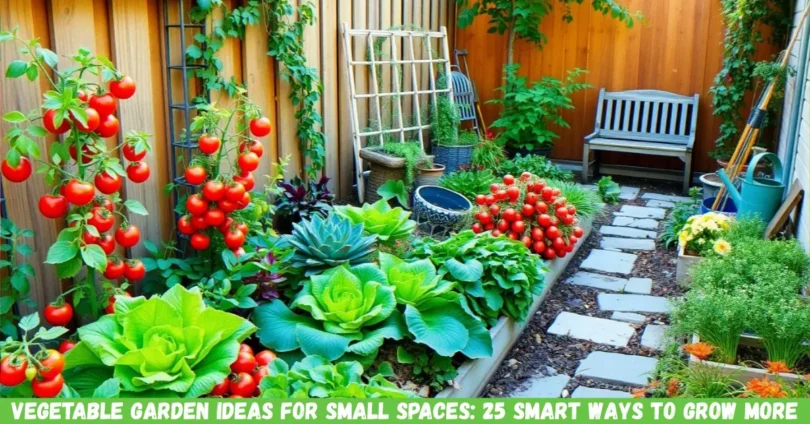
Vegetable garden ideas for small spaces can help you grow fresh herbs and vegetables even when you have only a balcony, patio, small backyard, rooftop, or narrow side yard. The key is to use available space efficiently instead of trying to create a traditional large garden.
This guide covers practical ways to design a productive small vegetable garden, including container gardening, vertical growing, raised beds, hanging planters, trellises, companion planting, and compact vegetable varieties. You will also learn how to choose suitable vegetables, avoid common mistakes, and make the most of limited sunlight and growing space.
The good news is that a small garden does not have to produce only a small harvest. With the right containers, plant spacing, sunlight, soil, and growing methods, even a compact area can become a useful source of fresh produce.
Why Grow Vegetables in a Small Space?
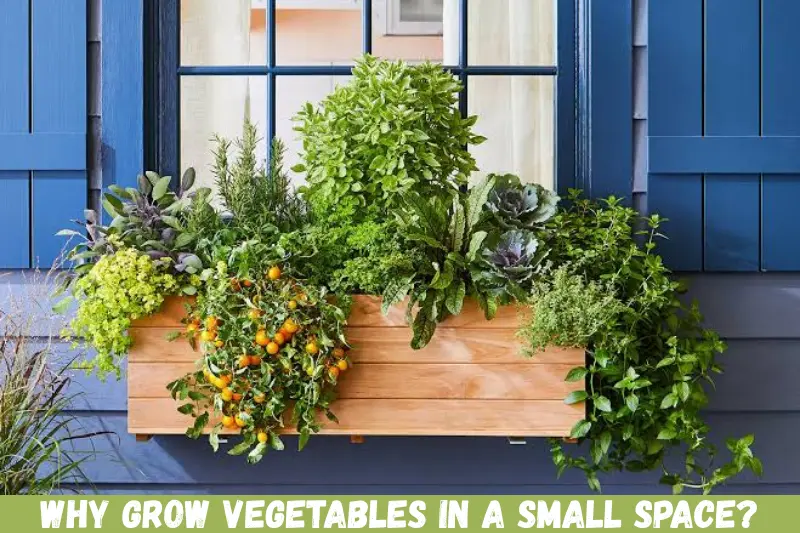
A small vegetable garden makes it possible to grow fresh food without needing a large property. Containers and compact beds can be placed on patios, balconies, decks, rooftops, or other suitable areas.
Small gardens also tend to be easier to monitor. You can quickly notice dry soil, pests, damaged leaves, or nutrient problems and respond before they become serious.
Some of the main benefits include:
- Fresh vegetables close to your kitchen
- Better use of unused outdoor areas
- Easier access to individual plants
- Flexible container arrangements
- Less space required for maintenance
- Opportunity to grow herbs alongside vegetables
- Greater control over soil and growing conditions
- An enjoyable gardening activity for beginners
A small garden can also be adapted as your experience grows. You might begin with three or four containers and gradually add vertical planters, trellises, or raised beds.
25 Vegetable Garden Ideas for Small Spaces
The best small-space garden combines several growing methods rather than relying on one. Here are practical ideas you can adapt to your home.
1. Grow Vegetables in Containers
Container gardening is one of the simplest vegetable garden ideas for small spaces. Almost any suitable container can become a growing area as long as it is large enough for the plant, has drainage, and can support the plant’s roots.
You can use:
- Pots
- Grow bags
- Wooden planters
- Window boxes
- Large buckets designed for gardening
- Repurposed food-safe containers
Tomatoes, peppers, lettuce, radishes, herbs, and many compact vegetables can work well in containers.
Always make sure containers have drainage holes. Waterlogged soil can deprive roots of oxygen and contribute to root problems.
2. Create a Vertical Vegetable Garden
When floor space is limited, look upward.
Vertical gardening allows climbing plants to use walls, trellises, frames, or other supports instead of spreading across the ground.
Good candidates include:
- Cucumbers
- Pole beans
- Peas
- Climbing squash varieties
- Small melons where conditions permit
- Some tomato varieties
A strong trellis can dramatically increase the growing area available in a small garden.
However, the support must be appropriate for the plant. Heavy vines and fruit require stronger structures than lightweight herbs.
3. Use a Balcony Vegetable Garden
A balcony can become a productive growing area with the right containers.
Before adding plants, consider:
- How much direct sunlight the balcony receives
- How much space is available
- Whether containers can be safely supported
- How easily plants can be watered
- Whether the building has restrictions on gardening
Use lightweight containers where appropriate and avoid placing excessive weight in one location.
Compact tomatoes, peppers, lettuce, herbs, green onions, and radishes can be suitable choices depending on the local climate and available sunlight.
4. Install Window Boxes
Window boxes are useful when floor space is almost nonexistent.
They work particularly well for shallow-rooted crops such as:
- Lettuce
- Baby greens
- Radishes
- Green onions
- Parsley
- Cilantro
- Other compact herbs
Position the boxes where plants can receive appropriate sunlight without interfering with windows or walkways.
5. Build a Narrow Raised Bed
You do not need a large rectangular garden bed.
A narrow raised bed can fit beside a fence, along a wall, or in a small backyard. The important consideration is that you can comfortably reach the plants without stepping into the growing area.
A narrow design also makes watering, weeding, harvesting, and checking plants easier.
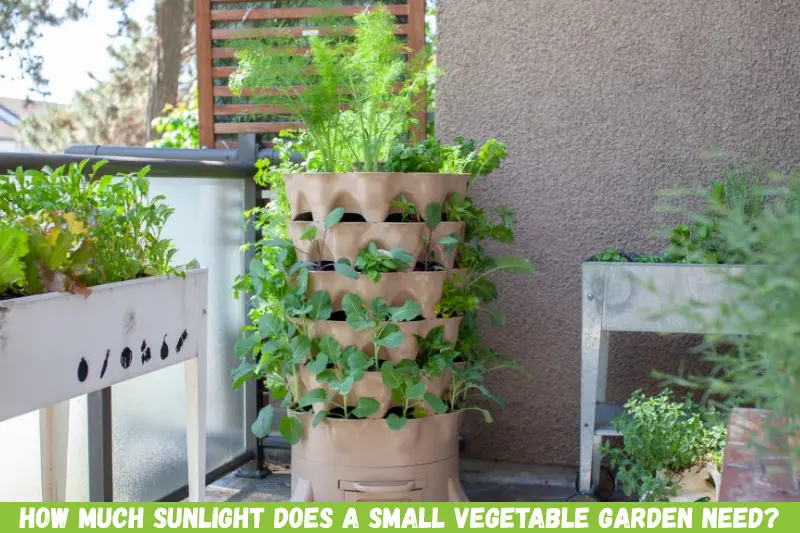
6. Try a Tiered Planter
Tiered planters use vertical space while keeping multiple plants accessible.
The upper levels can hold smaller plants while lower sections accommodate plants that require more room.
Tiered arrangements are particularly useful for herbs, leafy greens, and compact vegetables.
Make sure upper levels do not create excessive shade for plants underneath.
7. Use Hanging Planters
Hanging baskets can turn unused overhead space into growing space.
They can work well for herbs and some compact vegetables, particularly plants with trailing growth.
Because hanging containers can dry out faster than containers sitting on the ground, check their moisture regularly.
8. Grow a Salad Garden
If your space is extremely limited, focus on vegetables that can be harvested frequently.
A salad garden might contain:
- Leaf lettuce
- Arugula
- Radishes
- Spinach
- Green onions
- Baby greens
- Herbs
Leafy crops can provide repeated harvests when managed correctly, making them practical for small gardens.
9. Create a Kitchen Herb Garden
You do not need a large outdoor area to grow useful herbs.
A small collection of containers near a kitchen door, sunny window, balcony, or patio can provide convenient access to fresh herbs.
Consider:
- Basil
- Mint
- Parsley
- Cilantro
- Chives
- Thyme
- Oregano
Keep spreading herbs such as mint contained because they can become difficult to manage when planted directly in the ground.
10. Use a Trellis Against a Wall
A wall can become part of your garden design when combined with a suitable trellis.
Instead of allowing climbing vegetables to spread horizontally, train them upward.
Leave enough space between the trellis and wall when necessary to allow airflow and maintenance.
Also consider the wall’s exposure. A sunny wall can create a warmer microclimate, while a shaded wall may not provide enough light for fruiting vegetables.
11. Plant Compact Tomato Varieties
Tomatoes are popular in home gardens, but not every variety is ideal for limited space.
For a small garden, look for compact, patio, dwarf, or determinate varieties that match your growing conditions.
Use a suitable container and provide support when the variety requires it.
Avoid overcrowding tomato plants because good airflow helps reduce certain disease problems.
12. Grow Peppers in Pots
Peppers can be excellent container plants when provided with adequate sunlight, suitable soil, water, and an appropriately sized container.
A sunny patio or balcony can be enough for a few plants.
Growing several pepper varieties in individual containers also makes it easier to move or rearrange them when necessary.
13. Try a Square or Grid-Style Garden
A grid-based garden divides available space into manageable planting sections.
Instead of randomly placing plants, organize the bed according to the mature size and growing requirements of each crop.
This can make a small garden easier to plan and maintain.
However, avoid treating a spacing guide as a universal rule. Different varieties have different mature sizes, so always check the plant’s recommended spacing.
14. Grow Radishes for Quick Results
Radishes are worth considering when you want to make productive use of a small growing area.
They generally occupy little space compared with sprawling crops and can be grown in containers or small garden beds.
Their relatively quick growth also makes them useful for filling temporary spaces between longer-growing crops, provided the planting arrangement does not create excessive competition.
15. Use Grow Bags
Grow bags are flexible alternatives to traditional pots.
They can be especially useful for renters or gardeners who want to rearrange their garden seasonally.
When choosing grow bags, consider:
- Plant size
- Drainage
- Material quality
- Stability
- Watering needs
- Available sunlight
Larger plants require appropriately sized growing containers.
16. Turn a Narrow Side Yard Into a Garden
A narrow side yard does not have to remain unused.
Install slim planters or a narrow bed along one side while keeping enough clearance for walking and maintenance.
Use vertical supports where appropriate to increase growing space without blocking the pathway.
17. Combine Edible Plants With Ornamental Plants
A vegetable garden does not have to look purely functional.
Combine edible plants with flowers or decorative foliage to create an attractive garden.
For example, containers can hold vegetables alongside flowers that suit the same growing conditions.
The result can feel more like a designed outdoor space than a traditional vegetable plot.
18. Use Succession Planting
Succession planting means planning multiple crops or planting times so that your growing space continues producing throughout the season.
For example, after harvesting a short-season crop, you may be able to plant another suitable crop in the same space.
The exact timing depends on your climate, crop, and growing season.
Keep a simple garden calendar so you know when crops were planted and when space may become available.
19. Choose Bush or Dwarf Varieties
Plant variety matters enormously in a small garden.
Instead of automatically buying the most common variety, check whether a compact, dwarf, patio, bush, or container-friendly variety is available.
These plants can make it easier to manage limited space.
Always check the mature height and width before planting.
20. Use a Vertical Pocket Planter for Herbs and Greens
Fabric pocket planters can turn a suitable wall or vertical surface into a growing area.
They are particularly useful for smaller plants such as herbs and leafy greens.
Because each pocket contains limited soil, however, plants may need more frequent watering than plants growing in larger containers.
21. Create a Patio Vegetable Corner
You can dedicate one corner of a patio to edible plants.
Place larger containers at the back and smaller pots toward the front. Add a trellis behind climbing plants and leave enough room to walk around the arrangement.
A well-organized corner can provide a surprising amount of growing space without taking over the entire patio.
22. Grow Green Onions in Small Containers
Green onions require relatively little space and can be grown in containers where conditions are suitable.
Their narrow growth habit makes them useful for filling small spaces that would otherwise be difficult to use.
Plant them alongside other compatible compact crops rather than allowing empty spaces to remain unused.
23. Make Use of Stair Steps or Shelving
Sturdy garden shelves can provide multiple planting levels.
Place sun-loving plants where they receive enough light, while shade-tolerant plants can occupy less exposed positions if their growing requirements allow.
Make sure shelving is stable and capable of safely carrying the weight of wet containers.
24. Grow Microgreens Indoors
If outdoor space is extremely limited, microgreens can provide another option.
They can be grown in shallow trays under appropriate indoor lighting or in a suitable bright location.
Because microgreens are harvested young, they do not require the same long-term growing space as mature vegetable plants.
25. Create a Modular Container Garden
A modular container garden lets you change the layout as plants grow.
For example, you could use:
- Two large containers for tomatoes
- Two medium containers for peppers
- One long planter for greens
- Several small pots for herbs
- One vertical support for climbing plants
This approach is especially useful for beginners because individual containers can be managed separately.
How to Choose Vegetables for a Small Garden
The best crops for your garden depend on your climate, available sunlight, container size, and personal preferences.
Start with vegetables that provide useful harvests without requiring excessive horizontal space.
Vegetables That Often Suit Small Gardens
| Vegetable | Small-Space Potential | Common Growing Method |
|---|---|---|
| Lettuce | High | Containers, window boxes |
| Radishes | High | Containers, raised beds |
| Green onions | High | Containers, window boxes |
| Peppers | High | Containers |
| Compact tomatoes | High | Containers, raised beds |
| Peas | Medium to high | Trellis |
| Pole beans | High | Vertical support |
| Cucumbers | Medium to high | Trellis |
| Carrots | Medium | Deep containers |
| Herbs | High | Small pots, window boxes |
These are general planning suggestions rather than guarantees. Your local climate and individual cultivar can significantly affect performance.
How Much Sunlight Does a Small Vegetable Garden Need?
Sunlight requirements vary by crop, but many fruiting vegetables need substantial direct sunlight to grow and produce well.
Tomatoes, peppers, cucumbers, and beans generally need more sunlight than some leafy greens and herbs.
Before buying plants, observe your growing area during the day.
Ask:
- Where does direct sunlight reach?
- How many hours does each area receive?
- Does a nearby building create shade?
- Does the amount of sunlight change seasonally?
- Is the area exposed to strong wind?
Choosing plants based on the conditions you actually have is more effective than trying to force unsuitable vegetables into a shady location.
How to Make the Most of Limited Garden Space
Small-space gardening is primarily about efficient planning.
Grow Up Instead of Out
Trellises and vertical supports can transform climbing plants from space-consuming vines into productive vertical crops.
Combine Different Plant Heights
Place taller plants behind shorter ones where possible, especially when sunlight direction makes this practical.
This helps reduce unnecessary shading.
Use Every Suitable Surface
Consider:
- Balcony rail areas where safe and permitted
- Walls
- Window ledges
- Shelves
- Patio corners
- Narrow pathsides
- Raised beds
- Containers
Do not sacrifice safe access just to add another planter.
Select Plants Based on Mature Size
A seedling may look tiny when purchased, but its mature size can be much larger.
Always consider the plant’s eventual height, width, root requirements, and support needs.
Best Soil for Container Vegetable Gardening
Healthy soil is essential for container-grown vegetables.
A container should generally use a suitable quality potting or container-growing mix rather than ordinary garden soil packed into a pot. Container mixes are designed to provide appropriate drainage and aeration.
Before planting, check:
- Drainage
- Moisture retention
- Organic matter
- Nutrient availability
- Container depth
Avoid repeatedly using exhausted container soil without replenishing nutrients or replacing the growing medium as appropriate.
Watering a Small Vegetable Garden
Containers can dry out faster than plants growing in the ground, particularly during hot or windy weather.
Check the growing medium regularly rather than watering according to a rigid schedule.
A simple approach is:
- Check the moisture in the growing medium.
- Water when the plant requires it.
- Water thoroughly enough to moisten the root zone.
- Allow excess water to drain.
- Adjust your routine according to weather and plant needs.
Avoid keeping containers permanently saturated.
Common Mistakes in Small Vegetable Gardens
Even a beautifully designed small garden can struggle if plants are overcrowded or placed in unsuitable conditions.
Overcrowding Plants
One of the most common mistakes is trying to fit too many plants into a small area.
Crowded plants compete for light, water, nutrients, and airflow.
Follow the spacing recommendations for the specific variety whenever possible.
Choosing the Wrong Container Size
A tiny container may not provide enough room for a large vegetable plant.
Match container size to the plant’s mature root and growth requirements.
Ignoring Drainage
A decorative container without proper drainage can become a problem for vegetable plants.
Make drainage a priority before planting.
Growing Vegetables Without Enough Sun
Buying a sun-loving vegetable for a heavily shaded balcony is unlikely to produce the desired result.
Assess sunlight before selecting crops.
Forgetting Plant Support
Climbing vegetables can quickly become difficult to manage without support.
Install trellises or stakes early enough that plants can be trained as they grow.
Planting Without Considering Mature Size
Do not design your garden around the size of seedlings.
Plan around the mature plant.
Using Too Many Different Crops
A garden containing too many varieties can become difficult for beginners to manage.
Start with a few vegetables you actually enjoy eating and expand gradually.
How to Start a Small Vegetable Garden
If you are starting from scratch, keep the first garden simple.
Step 1: Measure Your Available Space
Measure the balcony, patio, backyard corner, or other area you intend to use.
Record the approximate length and width.
Step 2: Observe Sunlight
Watch the area at different times of day.
Identify locations with strong sunlight and areas that remain shaded.
Step 3: Select Suitable Crops
Choose vegetables according to sunlight, climate, available container depth, and your family’s preferences.
Step 4: Choose Containers or Beds
Start with a manageable number of containers rather than filling every available space.
Step 5: Prepare the Growing Medium
Use a suitable container-growing medium and make sure water can drain properly.
Step 6: Plant According to Spacing Requirements
Give each crop enough room to develop.
Step 7: Add Supports
Install stakes, cages, or trellises for plants that need vertical support.
Step 8: Establish a Maintenance Routine
Regularly check:
- Soil moisture
- Plant growth
- Leaves
- Pests
- Drainage
- Supports
- Signs of nutrient problems
Step 9: Harvest Regularly
Harvest vegetables at the appropriate stage for the variety.
Regular harvesting can also help you make room for new plantings.
Small Vegetable Garden Ideas for Different Spaces
Small Balcony
Choose compact containers, hanging planters, window boxes, and vertical supports where safe and permitted.
Focus on peppers, herbs, leafy greens, radishes, and suitable compact varieties.
Small Patio
Use a combination of large pots, narrow planters, and trellises.
A patio can support a more diverse collection of vegetables than a very small balcony.
Tiny Backyard
Consider a narrow raised bed combined with containers.
Use vertical growing to increase productivity without consuming the entire yard.
Rooftop
Containers and raised planters can work well, but structural capacity, wind exposure, drainage, and building rules must be considered before setting up a garden.
Indoor Space
Use a bright window for suitable herbs and greens or consider appropriate supplemental grow lighting where necessary.
How to Make a Small Garden Look Attractive
A productive garden can also be visually appealing.
Use containers with complementary shapes and sizes. Group plants according to height and place taller plants behind shorter ones where sunlight allows.
You can also add:
- Simple plant labels
- Decorative containers
- Trellises
- Small garden shelves
- Attractive mulch
- Edible flowers
- Coordinated planters
Keep the arrangement practical. A garden should still provide enough access for watering, pruning, harvesting, and cleaning.
Frequently Asked Questions
What are the best vegetable garden ideas for small spaces?
Container gardening, vertical gardening, narrow raised beds, window boxes, hanging planters, and tiered planters are among the most practical options. Compact vegetables such as lettuce, radishes, peppers, herbs, green onions, and suitable tomato varieties can make good use of limited space.
What vegetables grow well in small spaces?
Leafy greens, radishes, green onions, herbs, peppers, compact tomatoes, peas, and beans can work well in small gardens when their growing requirements are met. The best choice depends on sunlight, climate, container depth, available support, and the mature size of each variety.
How can I grow vegetables if I have no backyard?
You can grow vegetables in containers on a balcony, patio, rooftop, or other suitable outdoor area. Window boxes, grow bags, hanging planters, and vertical gardens can increase available growing space. If outdoor space is unavailable, some herbs, greens, and microgreens can be grown indoors under appropriate conditions.
How do I maximize a small vegetable garden?
Use vertical space, choose compact varieties, grow plants in appropriately sized containers, and plan crops according to their mature size. Trellises can support climbing vegetables, while containers and tiered planters can turn unused areas into growing space. Avoid overcrowding because productive gardening still requires adequate light, water, airflow, and root space.
How many vegetables should I plant in a small garden?
There is no single number because garden capacity depends on the size of your space, the crops you choose, container sizes, and local growing conditions. Start with a few vegetables you regularly eat. Once you understand their growth habits and maintenance needs, gradually add more plants.
Conclusion
The best vegetable garden ideas for small spaces focus on using available space intelligently rather than trying to copy a large backyard garden. Containers, vertical supports, narrow beds, window boxes, hanging planters, and compact varieties can turn surprisingly small areas into productive growing spaces.
Start by measuring your space and observing its sunlight. Then select vegetables that match those conditions, use appropriate containers and growing media, and give each plant enough room to develop.
You do not need dozens of plants to begin. Start with a few vegetables you enjoy eating, maintain them consistently, and expand your garden as you gain experience.