
Interior Design Trends 2026: What’s Changing in Home Design?
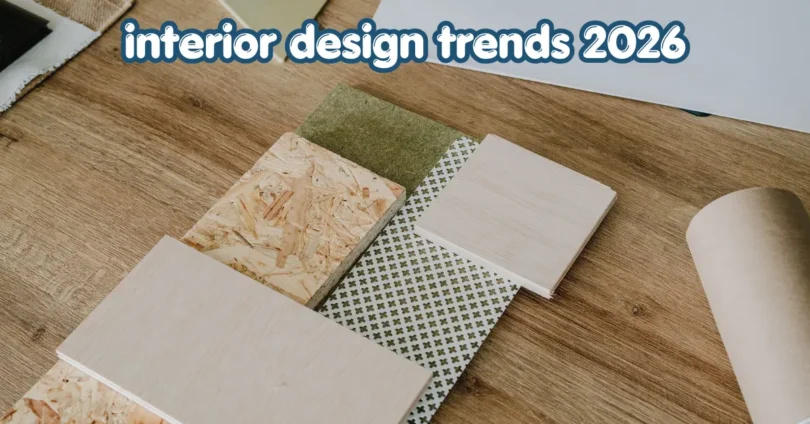
Interior design trends 2026 are moving toward homes that feel comfortable, personal, practical, and visually warm rather than overly perfect or purely minimalist. The focus is shifting toward natural materials, richer colors, thoughtful furniture choices, flexible rooms, layered lighting, and interiors that reflect the people who live in them.
Whether you are decorating a new home, refreshing a living room, upgrading a bedroom, or planning a complete renovation, the latest ideas can help you create a space that looks current without feeling temporary.
The most useful approach is not to copy every trend. Instead, choose design elements that fit your lifestyle, architecture, budget, and long-term preferences.
What Are the Biggest Interior Design Trends 2026?
The leading interior design trends 2026 emphasize warmth, individuality, functionality, and natural-looking spaces. Popular directions include warm neutral palettes, earthy colors, organic materials, curved furniture, statement lighting, vintage influences, multifunctional rooms, and more personalized decorating.
Here are some of the major trends to watch:
- Warm minimalism instead of stark minimalism
- Earthy and nature-inspired color palettes
- Natural wood and tactile materials
- Curved and sculptural furniture
- Layered and decorative lighting
- Vintage and vintage-inspired pieces
- Personalized artwork and accessories
- Flexible multifunctional rooms
- Indoor plants and biophilic elements
- More intentional use of technology
- Statement kitchens and bathrooms
- Mixing modern pieces with traditional details
The common theme is simple: homes are becoming more livable and expressive.
1. Warm Minimalism Is Replacing Cold Minimalism
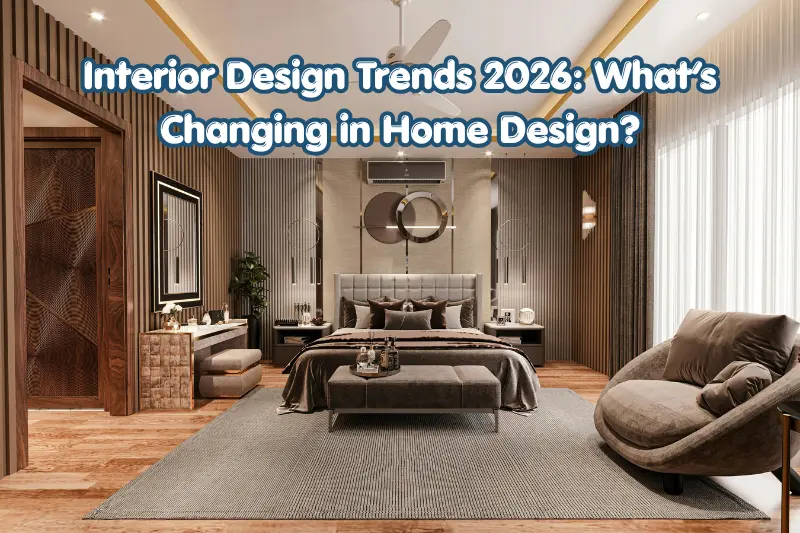
Minimalist interiors are not disappearing, but the look is becoming softer. Instead of relying heavily on white walls, sharp lines, and empty surfaces, warm minimalism introduces texture, natural materials, soft lighting, and subtle color.
How to Create a Warm Minimalist Interior
Start with a simple foundation and add carefully selected elements.
Consider:
- Warm white, beige, taupe, or soft brown walls
- Natural wood furniture
- Linen or cotton textiles
- Soft rugs
- Ceramic accessories
- Warm-toned lighting
- A small number of meaningful decorative objects
The goal is not to make the room look empty. The goal is to remove unnecessary visual clutter while keeping the space comfortable.
For example, a living room with a neutral sofa, oak coffee table, textured rug, floor lamp, and one large piece of artwork can feel minimalist without looking sterile.
2. Earthy Colors Bring More Personality
Color is becoming an important part of contemporary home interiors. Earth-inspired shades can create a warmer and more grounded atmosphere than an all-white palette.
Popular options include:
- Terracotta
- Olive green
- Clay
- Warm beige
- Chocolate brown
- Muted yellow
- Dusty blue
- Deep red
- Soft sage
- Warm gray
How Should You Use Bold Colors?
You do not need to repaint the entire home in a strong color.
Instead, introduce color through:
- Accent walls
- Curtains
- Cushions
- Area rugs
- Artwork
- Cabinetry
- Dining chairs
- Decorative objects
A neutral room with one or two deeper accent colors can feel more sophisticated while remaining easy to update.
3. Natural Materials Create a More Comfortable Feel
Natural materials continue to have an important role in interior design because they add texture and visual interest.
Wood, stone, rattan, linen, wool, ceramic, and other tactile materials can make a room feel less artificial.
Natural Materials to Try
For a living room, consider a wooden coffee table, wool rug, linen curtains, and ceramic accessories.
For a bedroom, combine a wooden bed frame with cotton bedding, woven baskets, and a textured headboard.
For a kitchen, natural wood cabinetry or stone-inspired surfaces can provide visual warmth alongside modern appliances.
The key is balance. Using too many different materials can make a room feel visually busy, so select a small group that works together.
4. Curved Furniture Softens Modern Interiors
Curved sofas, rounded coffee tables, arched mirrors, circular dining tables, and sculptural chairs are becoming increasingly useful for creating softer interiors.
Curves can break up rooms dominated by rectangular furniture and straight architectural lines.
Where Do Curves Work Best?

Curved furniture can work particularly well in:
- Living rooms
- Reading corners
- Bedrooms
- Entryways
- Lounge areas
You do not need an entirely curved furniture collection. One statement piece can be enough.
For example, a curved sofa can become the focal point of a living room while the remaining furniture stays relatively simple.
5. Layered Lighting Makes Rooms More Functional
Good interior design is not only about furniture and color. Lighting can dramatically change how a room looks and feels.
Instead of depending on a single ceiling fixture, consider three layers:
- Ambient lighting for overall illumination
- Task lighting for activities such as reading or cooking
- Accent lighting for artwork, architectural details, or decorative areas
Interior Lighting Ideas for 2026
Try combining:
- Pendant lights
- Table lamps
- Floor lamps
- Wall sconces
- Under-cabinet lighting
- Picture lights
- Adjustable spotlights
Warm lighting can make materials such as wood and fabric appear richer, while strategically placed accent lights can give simple rooms more depth.
6. Vintage Pieces Add Character
Another noticeable direction in home decorating is the combination of contemporary design with vintage or vintage-inspired elements.
A completely coordinated furniture set can sometimes make a home feel generic. Mixing different periods and styles can create a more personal appearance.
How to Mix Old and New
Try pairing:
- A modern sofa with an antique side table
- Contemporary artwork with a traditional console
- A vintage rug with modern furniture
- Modern lighting with classic architectural details
- Contemporary cabinetry with traditional hardware
The important thing is visual connection. Repeat a color, material, shape, or finish so the different pieces feel intentionally connected.
7. Personalized Interiors Matter More
One of the strongest directions in modern decorating is making the home reflect the homeowner rather than following a showroom formula.
Personalized interiors can include family photographs, travel memories, books, artwork, collections, handmade objects, and furniture with sentimental value.
Why Personalization Works
A room becomes more distinctive when it contains things that have meaning.
Instead of buying several decorative items simply because they are fashionable, ask:
- Do I genuinely like this?
- Does it work with my existing furniture?
- Does it have a practical purpose?
- Will I still appreciate it after the trend changes?
This approach can create a home that feels authentic rather than overly styled.
8. Multifunctional Rooms Are Becoming More Important
Homes increasingly need to support several activities. A single room might function as an office, guest bedroom, study area, entertainment space, or hobby room.
How to Design a Flexible Room
Choose furniture that can perform more than one function.
Useful options include:
- Sofa beds
- Storage ottomans
- Folding desks
- Modular sofas
- Built-in storage
- Nesting tables
- Movable partitions
- Wall-mounted desks
For smaller homes, flexibility can be more valuable than simply adding more furniture.
9. Biophilic Design Brings Nature Indoors
Biophilic design focuses on incorporating elements of nature into built environments. Plants are one of the easiest ways to introduce this idea, but the concept can go beyond greenery.
You can use:
- Indoor plants
- Natural wood
- Stone
- Natural daylight
- Organic textures
- Nature-inspired artwork
- Views toward outdoor spaces
Easy Biophilic Design Ideas
If you do not have a large home or garden, start small. Place plants near windows, use natural materials, and maximize daylight where practical.
The objective is to create visual and sensory connections with nature without turning the room into a greenhouse.
10. Kitchens Are Becoming More Decorative
Modern kitchens increasingly need to perform well while also looking like an integrated part of the home.
Instead of treating every kitchen element as purely functional, homeowners can introduce personality through cabinetry, lighting, hardware, backsplashes, stools, and open display areas.
Kitchen Design Ideas to Consider
- Warm wood cabinetry
- Statement backsplashes
- Decorative pendant lighting
- Mixed cabinet finishes
- Open shelving used selectively
- Textured surfaces
- Integrated appliances
- Comfortable dining or seating areas
A practical kitchen should still prioritize storage, workflow, cleaning, ventilation, and durability.
11. Bathrooms Are Getting More Spa-Like
Bathrooms are increasingly being designed as comfortable personal spaces rather than purely functional rooms.
A spa-inspired bathroom can use:
- Soft lighting
- Natural stone or stone-look surfaces
- Wood-look finishes
- Large mirrors
- Minimal visual clutter
- Comfortable towels and textiles
- Plants where conditions allow
You do not need a luxury renovation to create this feeling. Better lighting, coordinated accessories, and improved storage can make a noticeable difference.
12. Statement Ceilings and Walls Add Visual Interest
Walls and ceilings are becoming opportunities for design rather than blank surfaces.
Instead of decorating every wall heavily, choose one architectural or visual focal point.
Ideas for Statement Surfaces
Consider:
- Textured wallpaper
- Decorative molding
- Wood paneling
- Limewash-inspired finishes
- Bold paint
- Patterned tile
- Decorative ceiling paint
- Large-scale artwork
A statement surface works best when the surrounding elements remain relatively controlled.
13. Smart Technology Should Blend Into the Design
Technology remains useful in modern homes, but the goal is increasingly to integrate it without allowing screens, cables, and devices to dominate the room.
Examples include:
- Smart lighting
- Automated shades
- Hidden charging areas
- Integrated speakers
- Smart thermostats
- Cable management
- Concealed entertainment equipment
The Design Rule for Smart Homes
Technology should solve a real problem.
Adding devices simply because they are available can create unnecessary complexity. Choose technology that improves comfort, energy management, convenience, security, or everyday routines.
14. How to Apply Interior Design Trends 2026 Without Overdoing Them
Following every trend at once can quickly make a home look inconsistent. A better approach is to create a timeless foundation and add current elements selectively.
Step 1: Identify Your Existing Style
Look at your current furniture, flooring, wall colors, and architectural features.
Ask what already works and what genuinely needs to change.
Step 2: Choose a Color Direction
Select a basic palette consisting of:
- One main neutral
- One secondary color
- One or two accent colors
This creates visual consistency.
Step 3: Select Your Main Furniture
Invest more carefully in furniture you use every day, such as sofas, beds, dining tables, and ergonomic chairs.
Step 4: Add Trend Elements
Introduce trends through easier-to-change items such as:
- Cushions
- Lamps
- Rugs
- Artwork
- Curtains
- Decorative accessories
This reduces the risk of spending heavily on a trend that you later dislike.
Step 5: Improve Lighting
Layer your lighting instead of relying on a single overhead fixture.
Step 6: Remove Unnecessary Clutter
Before purchasing new décor, remove items you no longer use or enjoy. A better-organized room often looks more polished without requiring expensive changes.
Interior Design Trends 2026: Benefits and Limitations
| Trend | Main Benefit | Potential Limitation |
|---|---|---|
| Warm minimalism | Calm and uncluttered appearance | Can feel plain without texture |
| Earthy colors | Adds warmth and personality | Dark shades may need careful lighting |
| Natural materials | Creates texture and warmth | Some materials require maintenance |
| Curved furniture | Softens hard lines | Can be harder to arrange |
| Vintage pieces | Adds character | Matching different styles takes planning |
| Multifunctional rooms | Saves space | Requires flexible furniture |
| Smart technology | Improves convenience | Adds cost and complexity |
| Statement surfaces | Creates a focal point | Can become visually overwhelming |
Common Interior Design Mistakes to Avoid
Even attractive trends can produce poor results when they are applied without considering the actual room.
Avoid these mistakes:
Copying a Complete Trend From a Showroom
A showroom is designed to present a concept. Your home has different lighting, dimensions, furniture, storage needs, and daily routines.
Buying Furniture Before Measuring
Always measure the room, doors, hallways, and furniture placement before purchasing large pieces.
Using Too Many Accent Colors
Multiple strong colors can compete for attention. Start with a controlled palette.
Ignoring Lighting
Even excellent furniture can look unappealing under poor lighting.
Choosing Style Over Function
A beautiful chair that is uncomfortable or a fashionable table that provides no practical use may become frustrating over time.
Decorating Every Surface
Empty space is also part of good design. Leave some breathing room around important furniture and decorative objects.
How to Choose the Right 2026 Trend for Your Home
The best trend for a particular room depends on its size, natural light, architecture, budget, and how you use the space.
For a small apartment, prioritize multifunctional furniture, light colors, storage, mirrors, and flexible layouts.
For a large living room, consider layered lighting, textured materials, statement furniture, and a defined focal point.
For a bedroom, prioritize comfort with soft textiles, warm lighting, calming colors, and practical storage.
For a rental home, focus on removable décor, lighting, textiles, artwork, and furniture rather than permanent renovations.
For a family home, prioritize durable materials, easy-clean surfaces, flexible storage, and furniture that supports everyday activities.
Frequently Asked Questions
What is the biggest interior design trend for 2026?
Interior design trends 2026 generally emphasize warmth, comfort, natural materials, personal expression, and practical spaces. Rather than one single style dominating every home, designers and homeowners can combine warm minimalism, earthy colors, tactile materials, curved furniture, layered lighting, and vintage details to create interiors that feel both current and personal.
Are neutral colors still popular in 2026?
Yes. Neutral colors remain useful, but many contemporary interiors are moving beyond stark white and cool gray. Warmer neutrals such as beige, cream, taupe, and soft brown can create a more comfortable foundation. These colors can also be combined with earthy greens, terracotta, muted blues, or deeper accent shades.
Are curved furniture pieces still suitable for modern homes?
Curved furniture can work very well in modern interiors because it softens rooms dominated by straight architectural lines. However, it should be selected according to the room’s size and layout. One curved sofa, chair, mirror, or table can create visual interest without requiring every item in the room to have a rounded shape.
How can I follow 2026 interior trends on a small budget?
Use affordable, changeable elements rather than replacing major furniture. Paint, cushions, curtains, rugs, lighting, artwork, plants, and decorative accessories can significantly change the appearance of a room. Keep expensive purchases such as sofas, beds, and cabinetry focused on durability and personal preference rather than short-lived trends.
How do I make my home look modern without following every trend?
Start with a functional layout, comfortable furniture, quality lighting, a coordinated color palette, and useful storage. Then introduce only a few contemporary elements that genuinely suit your taste. A timeless foundation allows you to update smaller accessories over time without redesigning the entire home whenever interior design trends change.
Conclusion: Build a Home That Feels Like You
Interior design trends 2026 are increasingly centered on warmth, comfort, natural materials, flexible spaces, thoughtful lighting, and personal expression. From earthy color palettes and curved furniture to vintage accents and multifunctional rooms, the most useful ideas are those that improve how a home looks and how it works.
You do not need to redesign your entire home to use these trends. Start with one room, identify what is not working, and make changes that have a clear purpose. Choose durable foundations and use smaller decorative elements to experiment with current styles.
Practical next step: Pick one room and choose three priorities—for example, better lighting, a warmer color palette, and improved storage. Then make changes gradually rather than buying everything at once.
SEO Details
SEO-Friendly URL Slug:/interior-design-trends-2026/
Focus Keyword:interior design trends 2026
Five Related Keywords:
- interior design ideas 2026
- home decor trends 2026
- modern interior design 2026
- latest home design trends
- 2026 home decorating ideas
Five Image Alt Texts:
- Interior design trends 2026 with warm neutral living room
- Modern living room with earthy colors and natural wood
- Curved furniture and layered lighting in a modern home
- Natural materials and plants in a 2026 interior design
- Warm minimalist bedroom with modern home decor
Five Related Article Ideas:
- Modern Living Room Ideas for 2026
- Best Home Decor Color Trends for 2026
- Warm Minimalist Home Ideas for Every Room
- Small Living Room Decorating Ideas on a Budget
- Modern Bedroom Design Ideas for a Cozy Home
Rank Math Schema Title:
Interior Design Trends 2026: Top Home Design Ideas
Rank Math Schema Description:
Explore interior design trends 2026, including warm minimalism, earthy colors, natural materials, curved furniture, layered lighting, and flexible home spaces.