
SEO Meta Title: Minimalist Interior Design Ideas for a Stylish Home
Meta Description: Explore minimalist interior design ideas for every room, with practical tips for creating a calm, functional, clutter-free home.
Focus Keyword: minimalist interior design ideas
Related Keywords: minimalist home decor, simple interior design, minimalist living room ideas, modern minimalist home, clutter-free home
Minimalist Interior Design Ideas: What Does Minimalist Design Mean?
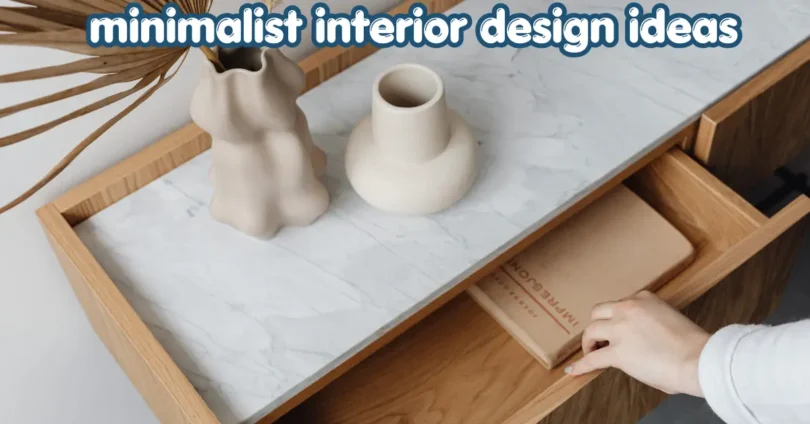
Minimalist interior design ideas focus on creating a home that feels calm, organized, functional, and visually uncluttered. Instead of filling a room with furniture and decorations, minimalist design uses carefully selected pieces, simple shapes, practical storage, and a restrained color palette.
Minimalism does not mean making a home completely empty or uncomfortable. The goal is to keep what is useful, meaningful, and visually harmonious while removing unnecessary items.
Whether you live in a small apartment, family home, studio, or large house, minimalist interior design can make your space feel more open and easier to maintain.
This guide covers practical minimalist decorating ideas for living rooms, bedrooms, kitchens, bathrooms, and small spaces, along with furniture, colors, lighting, storage solutions, common mistakes, and simple steps to create a minimalist home.
What Are the Main Principles of Minimalist Interior Design?
The main principles are simplicity, functionality, visual balance, clean lines, intentional decoration, and organized storage. Every item should have a purpose or add meaningful visual value to the room.
A successful minimalist interior usually combines:
- Simple furniture with clean silhouettes
- A limited and coordinated color palette
- Open and uncluttered surfaces
- Natural light and practical lighting
- Hidden or well-organized storage
- Quality materials and textures
- A small number of carefully selected accessories
- Functional layouts with comfortable movement
Minimalist design is therefore less about owning a specific number of things and more about being intentional about what you keep in your space.
1. Minimalist Living Room Ideas
A minimalist living room should feel comfortable without appearing crowded. Start with the essentials: a sofa, suitable coffee table, practical lighting, and enough storage for everyday items.
Choose furniture with simple forms rather than heavily decorated or oversized pieces. A neutral sofa can become the foundation of the room, while a textured rug, wooden table, or single artwork can add warmth.
Use a Simple Furniture Layout
Avoid placing furniture simply because there is empty floor space. Arrange each piece around how people actually use the room.
For example, position the sofa toward the main focal point and leave comfortable walking space around it. If the room is small, a compact sofa and narrow coffee table may work better than several individual chairs.
Keep Surfaces Clear
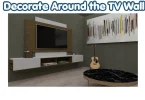
Coffee tables, shelves, and TV units can quickly become cluttered. Instead of displaying many decorative objects, choose a few items that contribute to the room.
A simple arrangement might include:
- One small decorative bowl
- A single vase
- One coffee-table book
- A small plant
The exact number is less important than maintaining visual balance.
Add Warmth With Texture
Minimalism can sometimes look cold when every surface is smooth and the color palette is too limited. Introduce warmth through:
- Wood
- Linen
- Cotton
- Wool
- Natural stone
- Woven baskets
- Soft rugs
These materials can make a simple room feel comfortable without adding visual clutter.
2. Minimalist Bedroom Ideas
A minimalist bedroom should prioritize relaxation, comfort, and organization. The bed should usually remain the visual focus rather than being surrounded by numerous decorative pieces.
Choose a bed frame with a simple profile and pair it with coordinated bedding. Neutral colors such as white, beige, warm gray, soft brown, and muted green can create a calm appearance.
Choose a Simple Bedside Setup
Instead of filling both sides of the bed with multiple accessories, use practical bedside furniture.
A small nightstand can provide enough space for a lamp, phone, book, or other nighttime essentials. If additional storage is necessary, select a bedside table with drawers so everyday items can remain hidden.
Reduce Bedroom Clutter
Bedrooms often accumulate clothing, electronics, cosmetics, books, and miscellaneous objects.
Try keeping frequently used items accessible while storing everything else inside drawers, wardrobes, or storage boxes.
A useful rule is to give every frequently used item a designated location. This makes maintaining a clutter-free bedroom easier.
3. Minimalist Kitchen Design Ideas
A minimalist kitchen combines functionality with a clean visual appearance. The easiest way to achieve this is to reduce countertop clutter and make storage more intentional.
Keep frequently used appliances accessible, but consider storing appliances that are rarely used inside cabinets.
Create Clear Countertops
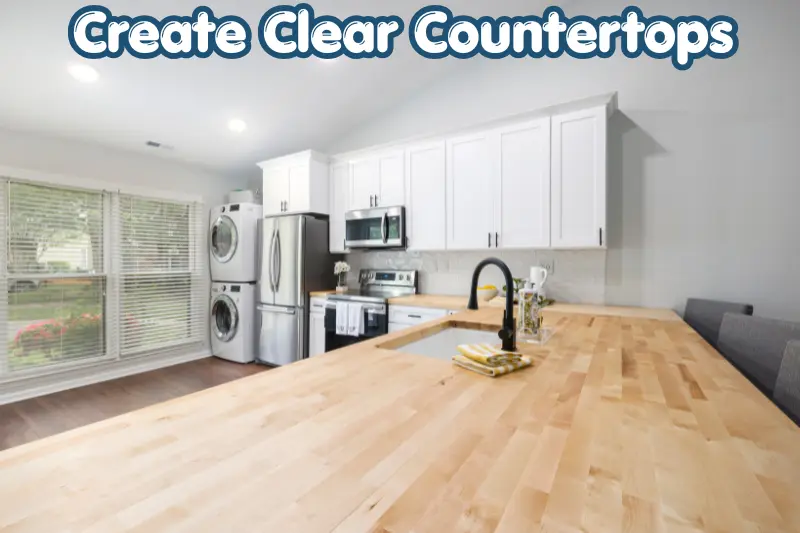
An organized countertop immediately makes a kitchen look more minimalist.
You might keep only essential items such as:
- A coffee maker
- A cutting board
- A fruit bowl
- A cooking utensil holder
Everything else can be stored according to how frequently it is used.
Choose Consistent Materials
Using too many competing finishes can make a kitchen visually busy. Cabinets, countertops, hardware, backsplash materials, and appliances should work together.
For example, light wood cabinets with a simple stone-look countertop and understated hardware can create a warm modern minimalist kitchen.
4. Minimalist Bathroom Ideas
A minimalist bathroom should be easy to clean, easy to organize, and visually calm.
Wall-mounted storage, floating vanities, recessed shelves, and concealed storage can help keep everyday products organized.
Use Open Space Carefully
You do not need to fill every bathroom wall with decoration. A clean mirror, simple lighting, practical vanity, and one or two carefully selected accessories can be enough.
Use matching containers for products when appropriate. This can create a more coordinated appearance without requiring major renovations.
5. Minimalist Interior Design Ideas for Small Spaces
Small rooms can benefit significantly from minimalist design because reducing visual clutter can make the space feel more open.
However, minimalism should not mean removing furniture that you genuinely need.
Use Multi-Functional Furniture
Furniture that performs more than one function is particularly useful in apartments and small homes.
Examples include:
- Storage beds
- Ottomans with hidden storage
- Extendable dining tables
- Foldable desks
- Benches with storage compartments
- Sofa beds
The objective is to maximize function without filling the room with separate pieces.
Use Vertical Storage
When floor space is limited, use walls efficiently.
Tall cabinets, floating shelves, wall-mounted hooks, and vertical storage systems can provide useful storage while preserving floor area.
Keep frequently accessed items organized and avoid turning every wall into a display area.
6. Choose a Minimalist Color Palette
Color plays an important role in minimalist interior design. A restrained palette can make different areas of a home feel connected.
Common minimalist colors include:
- White
- Cream
- Beige
- Taupe
- Warm gray
- Soft brown
- Muted green
- Charcoal
- Natural wood tones
You do not have to use only white. Warm neutral colors can make minimalist rooms feel more welcoming.
Try the 60-30-10 Approach Carefully
A commonly used interior design approach divides colors into dominant, secondary, and accent proportions. It can provide a useful starting point, but it is not a strict rule.
For example:
- Dominant: warm off-white walls
- Secondary: light wood furniture
- Accent: muted green cushions or artwork
The important thing is that the colors work together rather than following a formula mechanically.
7. Minimalist Lighting Ideas
Lighting can dramatically affect how minimalist interiors feel.
Use a combination of natural light, general lighting, task lighting, and accent lighting where appropriate.
Make Natural Light a Priority
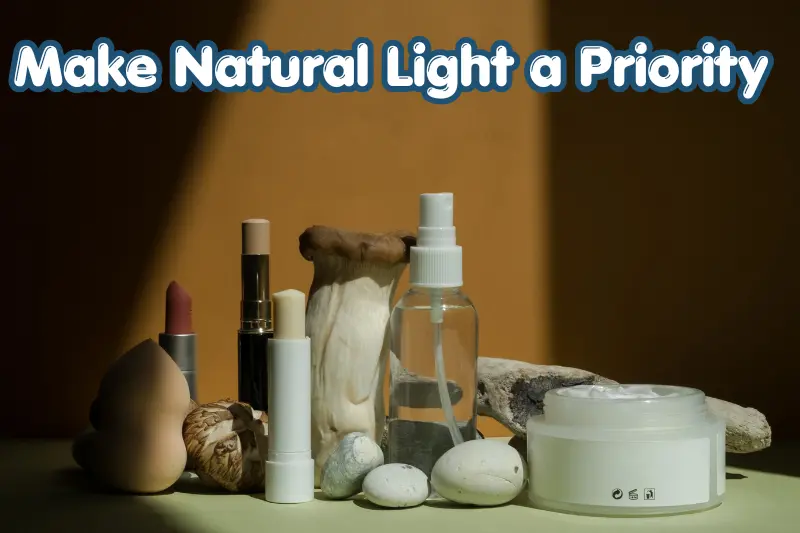
Avoid unnecessarily blocking windows with heavy furniture or overly thick curtains.
Light-colored curtains can allow daylight into a room while still providing privacy.
Layer Artificial Lighting
Instead of relying on a single ceiling fixture, consider combining:
- Ceiling lighting
- Floor lamps
- Table lamps
- Wall lights
- Under-cabinet lighting
Simple fixtures with clean shapes generally work well with minimalist interiors.
8. Add Plants Without Creating Clutter
Plants can introduce color, texture, and natural character into a minimalist room.
The key is moderation. Rather than placing many small plants everywhere, consider one larger plant in an empty corner or a small number of plants in coordinated containers.
Choose plants based on the actual light and conditions available in the room. A beautiful plant that cannot thrive in the available environment will require unnecessary maintenance.
9. Use Natural Materials
Natural materials can prevent minimalist spaces from feeling overly sterile.
Wood, stone, linen, cotton, wool, bamboo, rattan, and ceramics can add subtle variation.
For example, a room with cream walls and simple furniture can gain visual interest through a wooden side table, woven basket, linen curtains, and textured rug.
The result remains simple while offering enough contrast to feel lived-in.
10. Minimalist Wall Decor Ideas
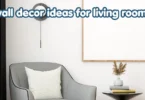
Bare walls can work well in minimalist homes, but completely empty walls are not mandatory.
Instead of creating a gallery wall filled with numerous frames, choose one large artwork or a small group of coordinated pieces.
Good minimalist wall decor options include:
- Abstract artwork
- Black-and-white photography
- Simple botanical prints
- One large mirror
- Handmade ceramics
- Minimal wall clocks
Choose artwork that complements the room’s colors rather than competing with them.
11. Minimalist Home Storage Solutions
Storage is one of the most important parts of practical minimalism. Without enough storage, everyday objects can quickly appear on countertops, tables, and floors.
Useful storage solutions include:
- Built-in wardrobes
- Closed cabinets
- Storage benches
- Under-bed drawers
- Floating cabinets
- Baskets
- Drawer organizers
- Modular shelving
Prefer Closed Storage for Visual Calm
Open shelving can be attractive, but it also exposes everything stored on the shelf. Closed storage is often easier when your goal is a clean visual appearance.
Use open shelves selectively for books, plants, artwork, or a few decorative objects.
12. How to Create a Minimalist Home Step by Step
You do not need to redesign your entire home in one weekend. A gradual approach is usually easier.
Step 1: Identify the Problem Areas
Walk through each room and identify areas where clutter accumulates.
Look at:
- Kitchen counters
- Entryway surfaces
- Coffee tables
- Bedroom chairs
- Bathroom counters
- Open shelves
These areas should be your starting points.
Step 2: Remove Unused Items
Separate belongings into practical categories such as:
- Keep
- Donate
- Sell
- Recycle
- Dispose
Avoid removing useful items simply because they do not look minimalist.
Step 3: Improve Storage
After removing unnecessary items, organize what remains. Use storage that matches the way you actually use the room.
Step 4: Simplify the Furniture
Look at every major piece of furniture and ask whether it is useful, comfortable, and appropriate for the room.
Do not remove furniture merely to make a room look empty.
Step 5: Create a Consistent Visual Style
Coordinate colors, materials, lighting, and decorative elements.
The goal is not perfection. It is visual consistency.
Step 6: Maintain the Space
Minimalism is easier to maintain when you prevent clutter from returning.
Before purchasing a new decorative or furniture item, consider whether it solves a genuine need or simply adds another object to manage.
Minimalist Design vs. Maximalist Design
| Feature | Minimalist Design | Maximalist Design |
|---|---|---|
| Color palette | Usually restrained | Often varied and bold |
| Decoration | Selective | Layered and abundant |
| Furniture | Functional and intentional | Often mixed and expressive |
| Visual effect | Calm and uncluttered | Rich and visually energetic |
| Storage | Often concealed | May be open and decorative |
| Main priority | Simplicity and function | Expression and abundance |
Neither approach is automatically suitable for every person. Your lifestyle, preferences, room size, budget, and storage needs should determine the design direction.
Benefits of Minimalist Interior Design
Minimalist interiors can provide several practical benefits.
Easier Cleaning
Fewer objects on surfaces generally mean fewer things to move or clean around.
Better Organization
When belongings have designated storage locations, it becomes easier to keep rooms organized.
Greater Visual Calm
A simplified environment can feel less visually busy, especially when furniture and colors are coordinated.
Better Use of Small Spaces
Reducing unnecessary furniture can preserve valuable floor space.
More Intentional Spending
A minimalist approach can encourage you to think more carefully before buying furniture and decorations.
Limitations of Minimalist Interior Design
Minimalism also has potential drawbacks.
A room can feel too plain if there is not enough texture, color, or personal character. Extremely limited furniture may also reduce comfort or storage capacity.
Another common issue is confusing minimalism with inexpensive design. A minimalist room may require careful planning, high-quality storage, custom furniture, or durable materials.
The best approach is functional minimalism: remove unnecessary clutter while keeping the home comfortable and personal.
Common Minimalist Interior Design Mistakes
Avoid these mistakes when creating a minimalist home:
Making Everything White
White can create a clean appearance, but using only white may make a room feel flat or cold. Add natural materials and subtle color variations.
Removing Too Much Furniture
A room still needs to support everyday life. Keep furniture that provides necessary comfort and function.
Buying Too Many “Minimalist” Decorations
Purchasing lots of small decorative objects defeats the purpose of reducing visual clutter.
Ignoring Storage
Minimalist rooms need practical storage. Without it, clutter simply moves from cabinets onto visible surfaces.
Following Trends Instead of Your Lifestyle
A beautiful minimalist room on social media may not work for a family, pet owner, home worker, or person with extensive storage needs.
Creating an Uncomfortable Space
Design should support real life. Do not sacrifice comfortable seating, useful lighting, or necessary storage just to create an empty appearance.
How to Make Minimalist Interiors Feel Warm and Personal
A minimalist home should still reflect the people who live there.
Use meaningful objects instead of random decorations. A favorite photograph, handmade ceramic piece, travel souvenir, family artwork, or treasured book can provide personality without overwhelming the room.
Warm lighting, natural wood, textured fabrics, plants, and carefully selected artwork can also make a minimalist interior feel inviting.
The key is to edit rather than eliminate personality.
Frequently Asked Questions
What is minimalist interior design?
Minimalist interior design is an approach that emphasizes simplicity, functionality, clean lines, intentional decoration, and organized spaces. It reduces unnecessary visual clutter while keeping essential furniture and personal elements. A minimalist home does not have to be empty or completely neutral; it should simply use space and belongings deliberately.
How can I make my home look minimalist on a budget?
Start by decluttering instead of buying new furniture. Rearrange existing pieces, clear visible surfaces, improve storage, and use coordinated textiles where possible. You can also repaint a room, reorganize shelves, and remove unnecessary decorations. Minimalism is primarily about intentional choices, so a large renovation is not required.
What colors are best for minimalist interiors?
Neutral shades such as white, cream, beige, taupe, warm gray, and soft brown are common choices. However, minimalist interiors can also include muted greens, blues, charcoal, or other carefully selected colors. The important factor is maintaining a coordinated palette rather than limiting your home to a single color.
Is minimalist interior design suitable for small homes?
Yes. Minimalist design can work particularly well in small homes because it prioritizes useful furniture, organized storage, open floor space, and reduced visual clutter. Multi-functional furniture, vertical storage, wall-mounted solutions, and light colors can help make a compact home feel more practical and visually spacious.
How do I keep a minimalist home from looking boring?
Use texture, natural materials, plants, artwork, warm lighting, and meaningful personal objects. A minimalist room can have plenty of character without being crowded. Instead of adding many decorations, choose a few pieces with different textures, shapes, or materials to create visual interest while preserving a clean overall appearance.
Conclusion
Minimalist interior design ideas are ultimately about creating a home that works better for everyday life. Clean layouts, functional furniture, thoughtful storage, natural materials, coordinated colors, and selective decoration can make rooms feel organized without making them feel empty.
Start with one room rather than changing the entire house at once. Remove unnecessary clutter, improve storage, simplify the furniture arrangement, and add a few elements that make the space feel warm and personal.
The best minimalist home is not the one with the fewest possessions. It is the one where every important item has a purpose, a place, or personal meaning.
SEO-Friendly URL Slug
/minimalist-interior-design-ideas/
Image Alt Texts
- Modern minimalist living room with neutral furniture and natural light
- Minimalist bedroom with simple furniture and warm neutral colors
- Modern minimalist kitchen with clean cabinets and uncluttered counters
- Small minimalist apartment interior with multifunctional furniture
- Cozy minimalist home decor with plants, wood, and neutral textures
Five Related Article Ideas
- Small Living Room Ideas to Make Your Space Look Bigger
- Modern Home Decor Ideas for a Clean and Cozy Interior
- Minimalist Bedroom Ideas for Better Organization
- Best Storage Ideas for Small Homes and Apartments
- Neutral Home Decor Ideas for a Warm Modern Look
Rank Math Schema Title
Minimalist Interior Design Ideas for a Stylish Home
Rank Math Schema Description
Discover practical minimalist interior design ideas for living rooms, bedrooms, kitchens, and small spaces, with simple tips for creating a calm and functional home.
Focus Keyword
minimalist interior design ideas
Five Related Keywords
- minimalist home decor
- simple interior design
- minimalist living room ideas
- modern minimalist home
- clutter-free home