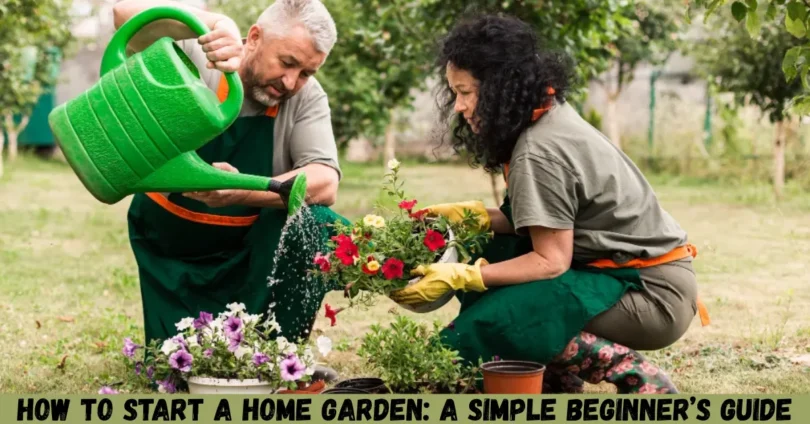

How to Start a Home Garden: A Complete Beginner’s Guide
How to start a home garden is easier than many beginners expect. You do not need a large yard, expensive equipment, or years of gardening experience. With a suitable location, healthy soil, the right plants, regular watering, and a little patience, you can create a productive garden at home.
A home garden can be as simple as a few herbs growing in containers on a balcony or as extensive as a vegetable garden in your backyard. The key is to start with a manageable space and choose plants that suit your climate, available sunlight, soil, and gardening goals.
This guide explains how to start a home garden from scratch, including how to choose a location, prepare the soil, select plants, plant seeds or seedlings, water correctly, control weeds and pests, and avoid common beginner mistakes.
What Is a Home Garden?
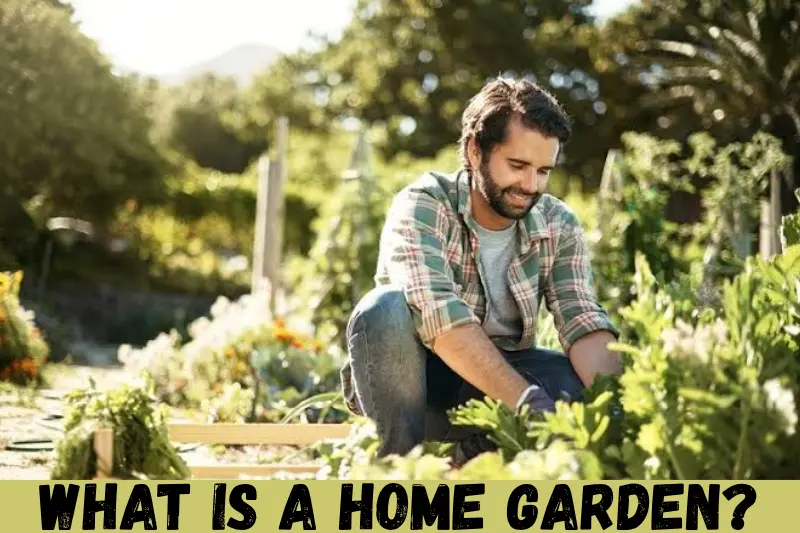
A home garden is a space around or inside a home where people grow plants for food, beauty, relaxation, or practical use. It may include vegetables, fruits, herbs, flowers, ornamental plants, or a combination of several types.
You can create a home garden in many different places, including:
- Backyard garden beds
- Front-yard planting areas
- Balconies
- Patios
- Rooftops
- Window boxes
- Containers and pots
- Small indoor growing spaces
The size of your garden matters less than choosing an appropriate growing environment and caring for your plants consistently.
Why Start a Home Garden?
Starting a garden at home gives you more than an attractive outdoor space. It can provide fresh herbs and vegetables, create a more enjoyable environment, and give you a practical hobby.
Some common benefits include:
Fresh Produce
Growing vegetables and herbs at home allows you to harvest them when you need them. Depending on your growing conditions, you can grow crops such as tomatoes, peppers, lettuce, spinach, beans, radishes, basil, mint, and coriander.
Better Use of Outdoor Space
Even a small unused corner can become productive. Containers and vertical gardening systems can make gardening possible when traditional garden beds are not practical.
A Relaxing Hobby
Gardening involves regular physical activity and time outdoors. Many people also enjoy the routine of planting, watering, pruning, and watching plants develop.
More Control Over Growing Conditions
When you grow plants yourself, you can decide what soil amendments, fertilizers, and pest-management methods you use. This gives you greater control over how your garden is maintained.
How to Start a Home Garden Step by Step
If you are completely new to gardening, follow these steps instead of trying to grow everything at once.
1. Decide What You Want to Grow
Start by deciding what you actually want from your garden.
If your primary goal is fresh food, focus on vegetables and herbs. If you want color and visual appeal, consider flowering plants. You can also combine edible and ornamental plants.
For beginners, relatively straightforward choices can include:
- Herbs
- Lettuce
- Radishes
- Beans
- Peppers
- Tomatoes
- Spinach
- Marigolds
- Some seasonal flowers
Your best choices depend on your local climate and the time of year.
2. Choose the Right Garden Location
Location is one of the most important decisions when starting a home garden.
Most vegetables and many flowering plants need several hours of direct sunlight each day. However, sunlight requirements differ between plant species.
Before planting, observe your intended garden area during the day.
Check:
- How much direct sunlight reaches the area
- Whether nearby buildings or trees create shade
- Whether water is easily accessible
- Whether the location becomes waterlogged
- How exposed the area is to strong wind
- Whether there is enough room for plants to mature
A location that looks sunny in the morning may become shaded later, so observing it throughout the day can help you make a better decision.
3. Choose Between Garden Beds and Containers
You do not necessarily need a traditional garden bed.
Choose the setup that matches your available space.
| Garden Type | Suitable For | Main Consideration |
|---|---|---|
| In-ground garden | Larger yards | Requires suitable soil and space |
| Raised bed | Vegetables and herbs | Needs initial setup and soil |
| Containers | Balconies, patios, small spaces | Requires regular watering |
| Window boxes | Herbs and small plants | Limited growing space |
| Vertical garden | Small areas | Requires suitable support |
For beginners with limited space, containers can be a practical starting point.
How to Prepare Soil for a Home Garden
Healthy soil provides plants with physical support, water, air, and nutrients. Before planting, examine the soil rather than assuming it is suitable.
Good garden soil should generally drain excess water while retaining enough moisture for plant roots.
Test the Soil
If you are planting directly into the ground, consider having the soil tested. A soil test can provide information about characteristics such as pH and nutrient availability.
Testing is particularly useful if plants repeatedly struggle despite proper watering and sunlight.
Improve Poor Soil
Depending on your soil condition, you may improve it by incorporating appropriate organic matter such as well-made compost.
Avoid adding random quantities of fertilizer or amendments without understanding what your soil needs. Too much fertilizer can damage plants and contribute to nutrient problems.
Use Quality Potting Mix for Containers
For container gardening, ordinary garden soil may become compacted and drain poorly. A quality potting mix designed for containers is generally more appropriate.
Make sure containers have drainage holes so excess water can escape.
How to Choose Plants for Your Home Garden
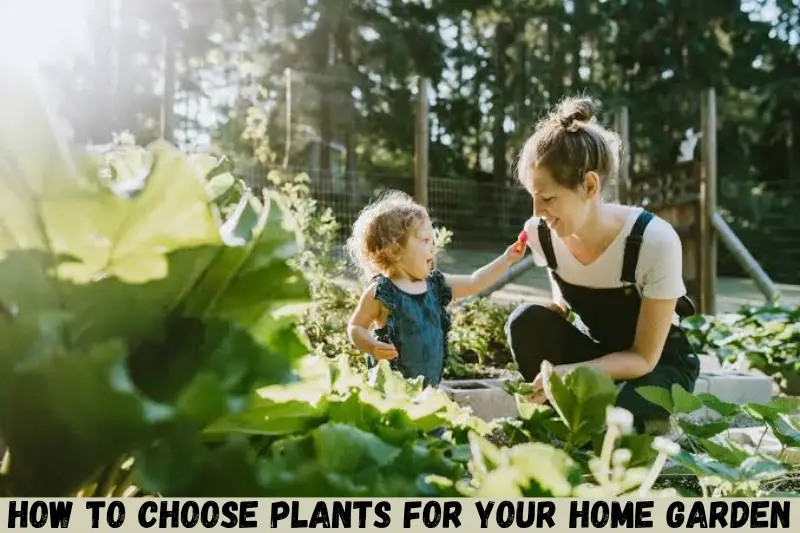
Choosing plants that match your growing conditions is one of the easiest ways to improve your chances of success.
Look for plants suited to:
- Your local climate
- The current growing season
- Available sunlight
- Available space
- Soil conditions
- Your experience level
- The amount of time you can spend caring for them
Avoid choosing plants simply because they look attractive. A plant that cannot tolerate your local conditions may require considerably more effort.
Seeds vs. Seedlings
Beginners can start plants from either seeds or young plants.
Seeds are usually useful when you want a wider selection and enjoy watching plants develop from the beginning.
Seedlings can be easier when you want a quicker start or when a particular crop has a longer growing period.
For your first garden, using a combination of seeds and healthy seedlings can make the process easier to manage.
How to Plant Your Garden Correctly
Once the location, soil, and plants are ready, it is time to plant.
Always check the planting instructions for each species because spacing, planting depth, and timing can vary.
Basic Planting Steps
- Prepare the soil or fill your containers with appropriate growing mix.
- Check the recommended planting depth.
- Space plants according to their mature size.
- Place seeds or seedlings carefully.
- Cover seeds with the appropriate amount of soil.
- Water gently after planting.
- Add labels if you are growing several varieties.
- Monitor the plants during the first few weeks.
Do not overcrowd young plants. They may look small initially, but they need enough space for their roots, stems, and leaves to develop.
How Often Should You Water a Home Garden?
There is no single watering schedule that works for every garden. Water requirements depend on plant type, temperature, soil, container size, rainfall, wind, and the stage of plant growth.
Instead of watering automatically every day, check the growing medium and the needs of the plants.
Water Deeply and Appropriately
For many outdoor plants, thorough watering that reaches the root zone is more useful than repeatedly wetting only the surface.
Container plants may need more frequent attention because containers can dry out faster than garden beds.
Watch for signs of both underwatering and overwatering.
Possible signs of insufficient water include:
- Wilting
- Dry soil
- Drooping leaves
- Slow growth
Possible signs of excessive water include:
- Constantly soggy soil
- Yellowing leaves
- Poor growth
- Root-related problems
The goal is to provide enough moisture without keeping the root zone unnecessarily saturated.
Add Mulch to Your Garden
Mulch is a material placed over the soil surface around plants. Organic mulch can help conserve soil moisture, reduce weed growth, and gradually contribute organic matter as it breaks down.
Common options include suitable composted organic materials, shredded leaves, and other garden mulches.
Keep mulch away from direct contact with plant stems to reduce the risk of moisture-related problems.
How to Fertilize a Home Garden
Plants need nutrients, but more fertilizer does not necessarily mean healthier plants.
Start by understanding what your plants and soil require. If you have a soil test, use its recommendations when appropriate.
Common plant nutrients include nitrogen, phosphorus, and potassium, although plants also require other nutrients in smaller quantities.
Avoid Over-Fertilizing
Too much fertilizer can cause excessive leafy growth, nutrient imbalances, or damage to plants. Follow the product label when using commercial fertilizers.
For a beginner garden, building healthy soil with appropriate organic matter and using fertilizer only when needed is a sensible approach.
How to Control Weeds
Weeds compete with garden plants for resources and can quickly become difficult to manage if ignored.
The simplest approach is to remove small weeds before they become established.
Try these methods:
- Pull weeds when the soil is reasonably workable.
- Remove weeds around young plants carefully.
- Use suitable mulch to reduce weed emergence.
- Avoid allowing mature weeds to produce large quantities of seed.
- Keep paths and surrounding areas maintained.
Be careful when removing weeds around shallow-rooted plants so you do not damage their roots.
How to Deal With Garden Pests
Garden pests are a normal part of growing plants. The best response depends on the pest, plant, and level of damage.
Inspect plants regularly, particularly the undersides of leaves and new growth.
Look for:
- Chewed leaves
- Holes
- Discolored foliage
- Sticky residue
- Webbing
- Insects clustered around stems or leaves
Do not immediately assume that every insect is harmful. Some insects can be beneficial or simply have little effect on your plants.
If you identify a genuine pest problem, start with appropriate low-impact control methods and follow product directions carefully if treatment is necessary.
Common Mistakes When Starting a Home Garden
Beginners often make gardening harder by trying to do too much too quickly.
Planting Too Much
A large garden can become difficult to water, weed, prune, and harvest. Start with a small number of plants and expand as you gain experience.
Ignoring Sunlight Requirements
Plants have different light needs. Putting a sun-loving vegetable in heavy shade can result in weak growth and poor production.
Overwatering
More water is not always better. Constantly wet soil can create conditions that harm roots.
Planting Without Considering Mature Size
A small seedling can become a surprisingly large plant. Check the expected size and spacing before planting.
Using the Wrong Soil
Different plants have different growing requirements. Container plants especially benefit from a suitable potting mix rather than heavy garden soil.
Forgetting About Drainage
Poor drainage can cause serious root problems. Make sure garden areas and containers can handle excess water appropriately.
Neglecting Regular Observation
You do not need to spend hours in the garden every day. However, checking plants regularly makes it easier to notice problems before they become severe.
How to Maintain a Home Garden
Once your garden is planted, maintenance becomes a regular routine rather than a one-time project.
A simple weekly routine can include:
- Checking soil moisture
- Inspecting leaves for pests
- Removing weeds
- Checking plant supports
- Removing damaged foliage when appropriate
- Harvesting mature vegetables and herbs
- Checking containers for drainage
- Monitoring plant growth
The exact schedule will change with the season and the plants you grow.
How to Make a Small Home Garden
You can create a productive garden even if you have very little space.
Use containers, vertical structures, hanging planters, window boxes, or compact raised beds where appropriate.
For example, a small balcony garden might contain:
- Basil
- Mint
- Coriander
- Green onions
- Lettuce
- Compact peppers
Choose plants according to the amount of sunlight your space receives and the weight limitations of balconies or rooftops.
Use Vertical Space
Vertical gardening can make better use of limited areas. Trellises and other suitable supports can allow climbing plants to grow upward instead of spreading across the ground.
However, make sure the structure is stable and appropriate for the plant’s mature size.
How Long Does It Take to Start a Home Garden?
The physical setup of a small garden can take anywhere from a short afternoon project to several days, depending on the size and complexity of the space.
Growing plants is different. Seeds and seedlings develop according to their species, environmental conditions, and care.
Some leafy greens and herbs can provide usable harvests relatively quickly, while fruiting crops and larger plants generally require more time.
The most useful approach is to focus on healthy growth rather than expecting every plant to produce at the same speed.
Tips for a Successful Beginner Garden
If you want to make the learning process easier, keep your first garden simple.
Start Small
A small successful garden teaches you more than a large neglected one.
Keep a Garden Journal
Write down what you planted, when you planted it, how often you watered it, and how the plants performed. This information becomes valuable when planning your next growing season.
Learn Your Local Growing Season
Planting times vary by climate. Use reliable local gardening resources, nurseries, agricultural extension services, or regional planting guides to determine suitable planting periods.
Choose Plants You Will Actually Use
If you enjoy cooking, grow herbs and vegetables you regularly eat. This makes the garden more useful and gives you a reason to maintain it.
Be Patient
Not every plant will succeed. Gardening involves learning from weather, soil, pests, watering mistakes, and plant selection.
A failed crop does not mean you are bad at gardening. It provides information that can help you improve the next planting.
Frequently Asked Questions
1. What is the easiest way to start a home garden?
The easiest approach is to begin with a small sunny area or a few containers. Choose several beginner-friendly plants suited to your local climate, use suitable soil or potting mix, provide adequate drainage, and establish a simple watering routine. Starting small makes it easier to learn without becoming overwhelmed.
2. Can I start a garden without a backyard?
Yes. You can grow many plants in containers, pots, window boxes, balconies, patios, or other suitable spaces. The main requirements are adequate sunlight, suitable containers, good growing media, drainage, and regular care. Choose compact plants when space is limited and make sure your location can safely support the containers.
3. How much sunlight does a home garden need?
The amount of sunlight depends on what you grow. Many vegetables perform well with substantial direct sunlight, while some herbs, leafy greens, and ornamental plants can tolerate less. Observe your garden throughout the day and choose plants whose light requirements match the conditions rather than forcing unsuitable plants into the space.
4. Should beginners use seeds or seedlings?
Both options can work. Seeds offer more variety and allow you to grow plants from the earliest stage, while seedlings provide a head start and can be simpler for beginners. If you are new to gardening, starting with a mixture of seeds and healthy young plants can help you learn which method works best for you.
5. How often should I water my home garden?
There is no universal watering schedule because water needs depend on the plant, soil, container, weather, temperature, and rainfall. Check the soil and observe your plants instead of following a rigid schedule. Water appropriately when needed, while avoiding conditions where the growing medium remains unnecessarily saturated.
Conclusion
Learning how to start a home garden does not require complicated equipment or expert-level knowledge. The most important steps are choosing a suitable location, understanding your sunlight conditions, preparing healthy soil, selecting plants that match your environment, providing appropriate water, and checking your plants regularly.
Start with a manageable space and a few plants you genuinely want to grow. As you gain experience, you can experiment with additional vegetables, herbs, flowers, containers, raised beds, and vertical gardening.